
News + Press
Company announcements, certification news and technical notes from Canton Hyland.

Insight
NBR 11742 and NBR 11785: What a Brazilian Inspection Checks on Fire Door Hardware
A fire door in Brazil is approved twice, once in the laboratory and once at the AVCB inspection, and the hardware is part of both. What the two ABNT standards ask of a push bar and a pair of doors, what inspectors fail, and what to ask a supplier before the first container.
Insight
One Opening, One Order: The Hardware Set for a Double Fire Exit Door
A double fire exit door takes 6 lines of hardware: a device on each leaf, an outside trim on the active leaf, a closer on each leaf, and a coordinator so the inactive leaf closes first. All 6 are sized from 4 facts about the leaves: the width and weight of each leaf, the door thickness, and which leaf is active. This article takes them in that order, shows where 2 correct lines contradict each other, and lists what we need to quote it as one opening.
Insight
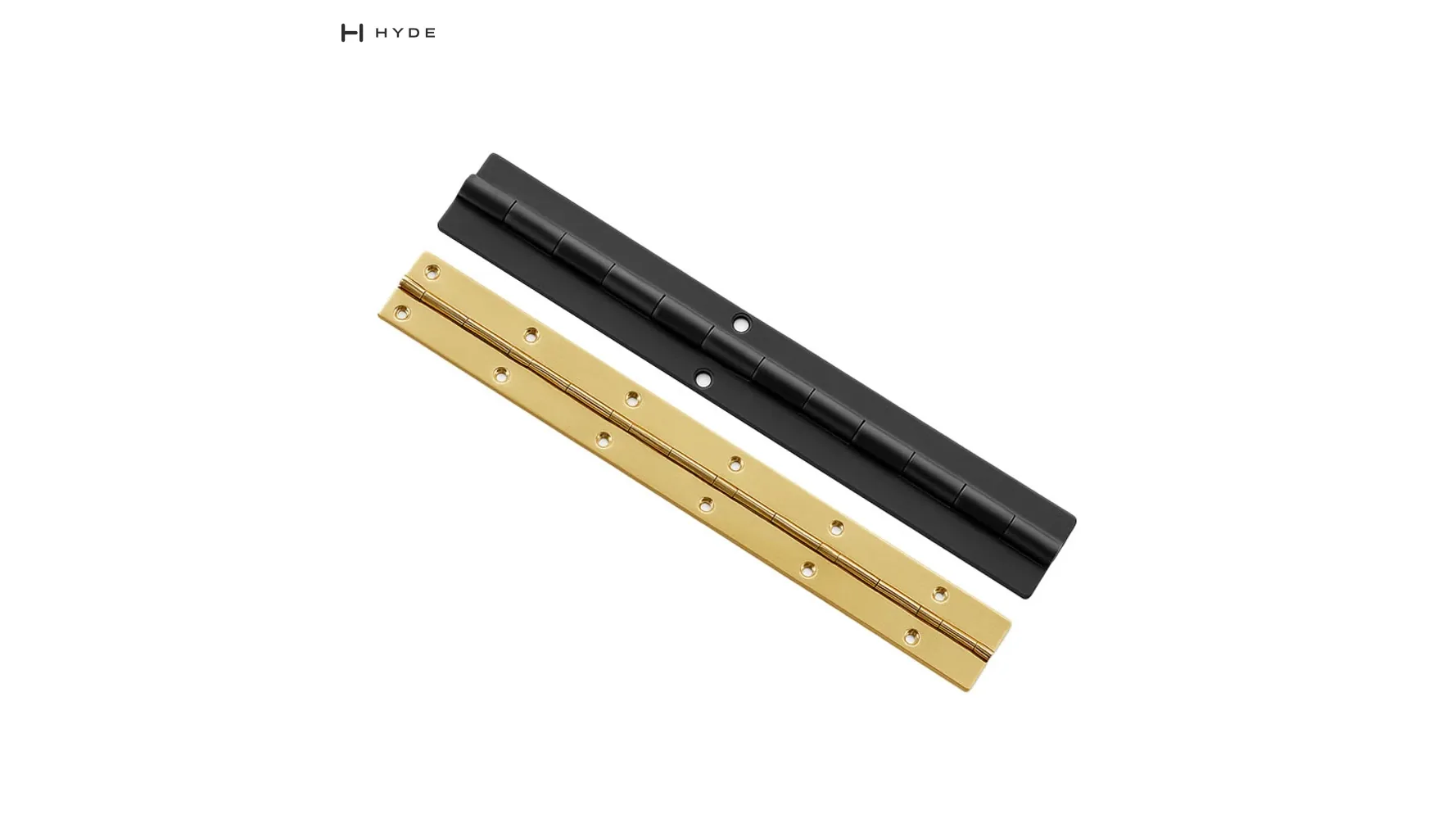
A Brass Piano Hinge Is Usually Not Brass
In this trade "brass piano hinge" almost always names the finish, not the metal. Ours is iron under a matt black or polished brass finish, in 1", 1-1/4", 2" and 3" widths, and our own catalog claimed stainless steel until 16 September, which is a good illustration of how the confusion survives.
Insight
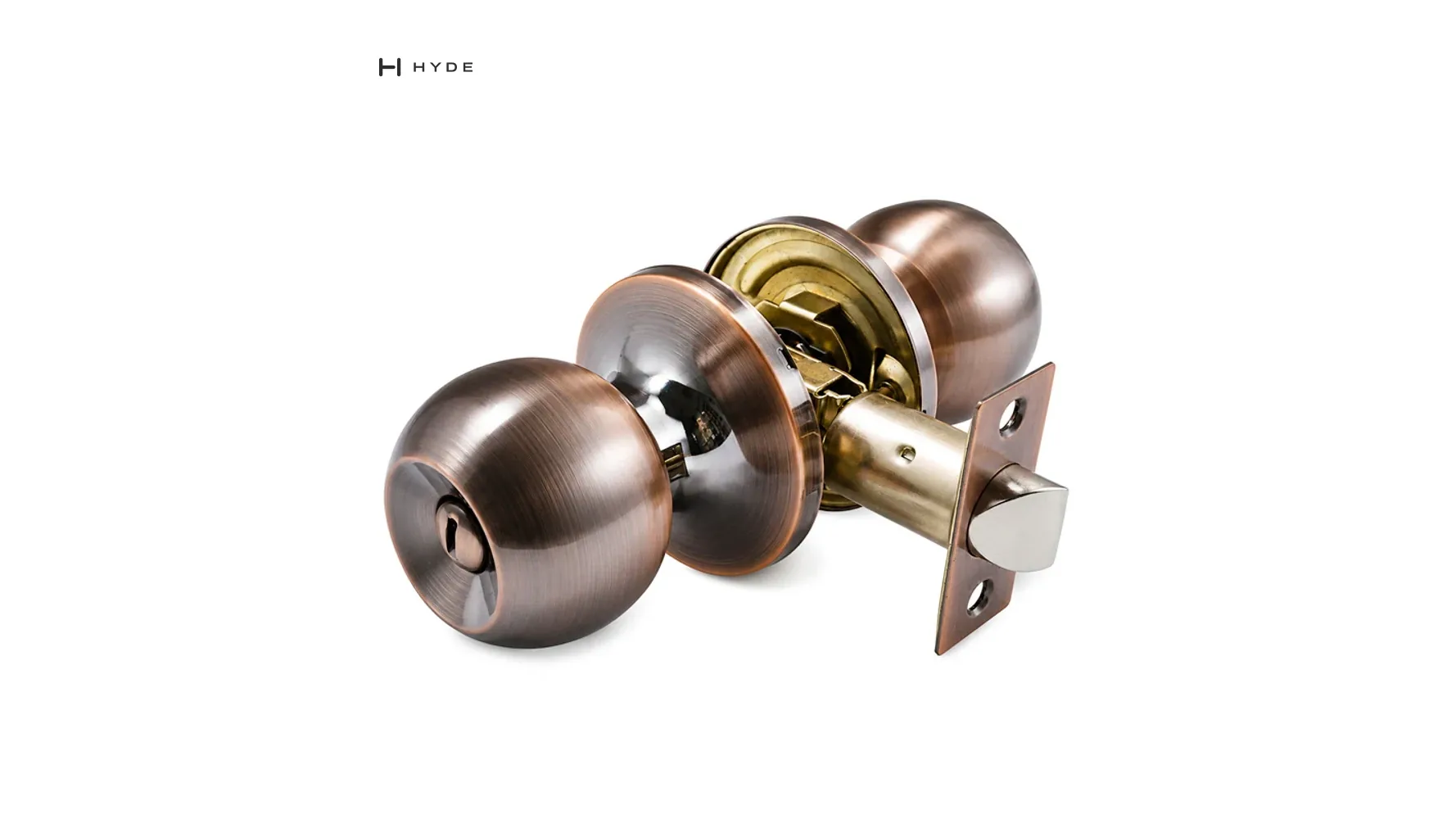
Entrance, Privacy, Passage: Choosing Between Twelve Cylindrical Locks
587, 607, 5807, 5870, 592, 598, 575, 578, 9210, 595, 609 and 5831 look like twelve choices and are mostly one choice made twelve times. Nearly all of them take a 60/70mm adjustable backset and a 35–45mm (1-3/8" to 1-3/4") door, so the decision is function first, chassis second, and one of the twelve goes to a 90mm (3-9/16") backset when the others stop at 70.
Insight
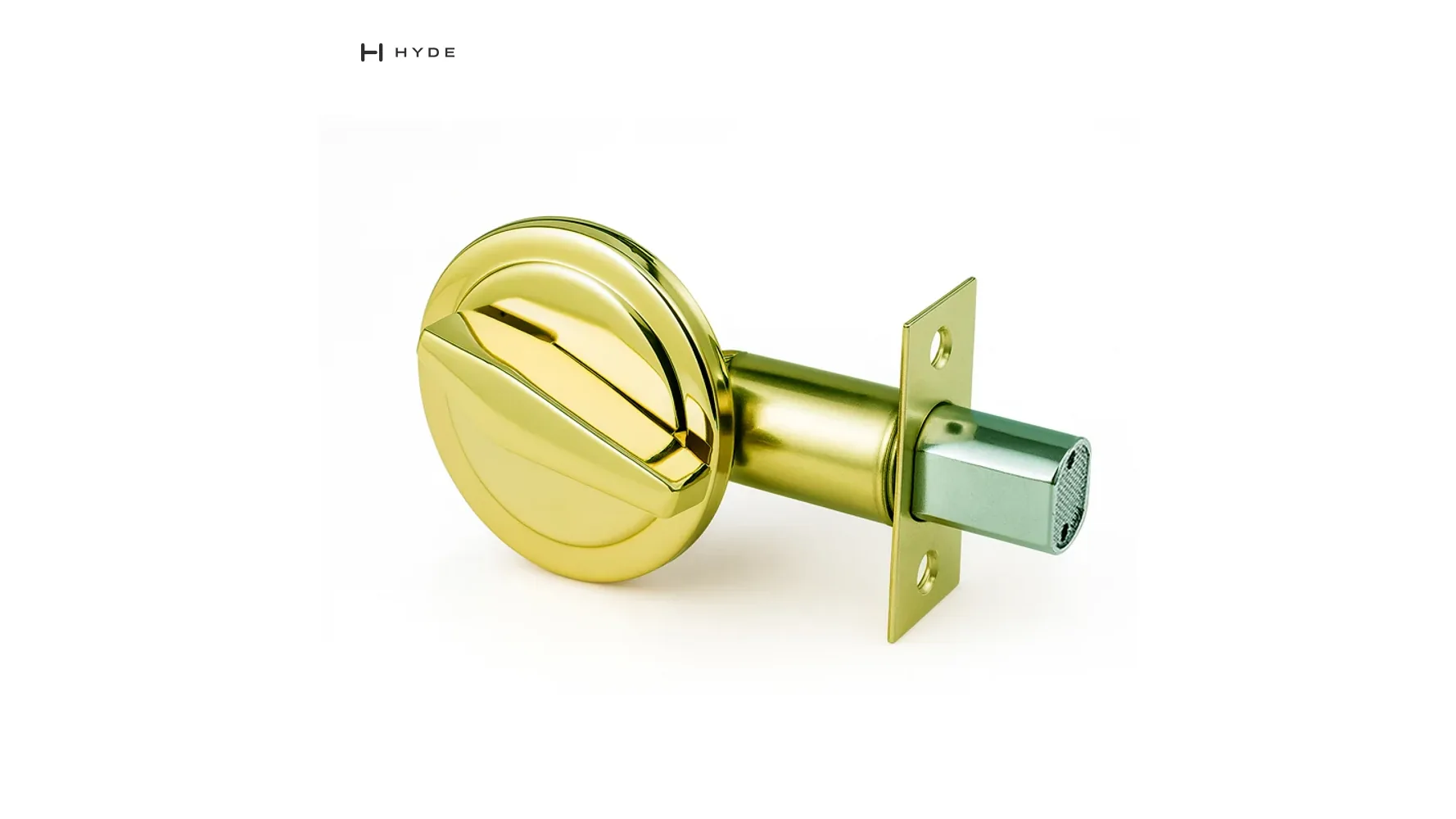
A 25mm Throw and a Collar That Spins: Deadbolts D101 and D102
A deadbolt does one job the latch above it cannot: it throws a solid bolt that no card and no shim will move. Ours throw 25mm (1"), in zinc die-cast with a hardened steel roller pin against sawing, on a five-pin solid brass cylinder, and the free-turning collar is the detail that matters most and photographs least.
Insight
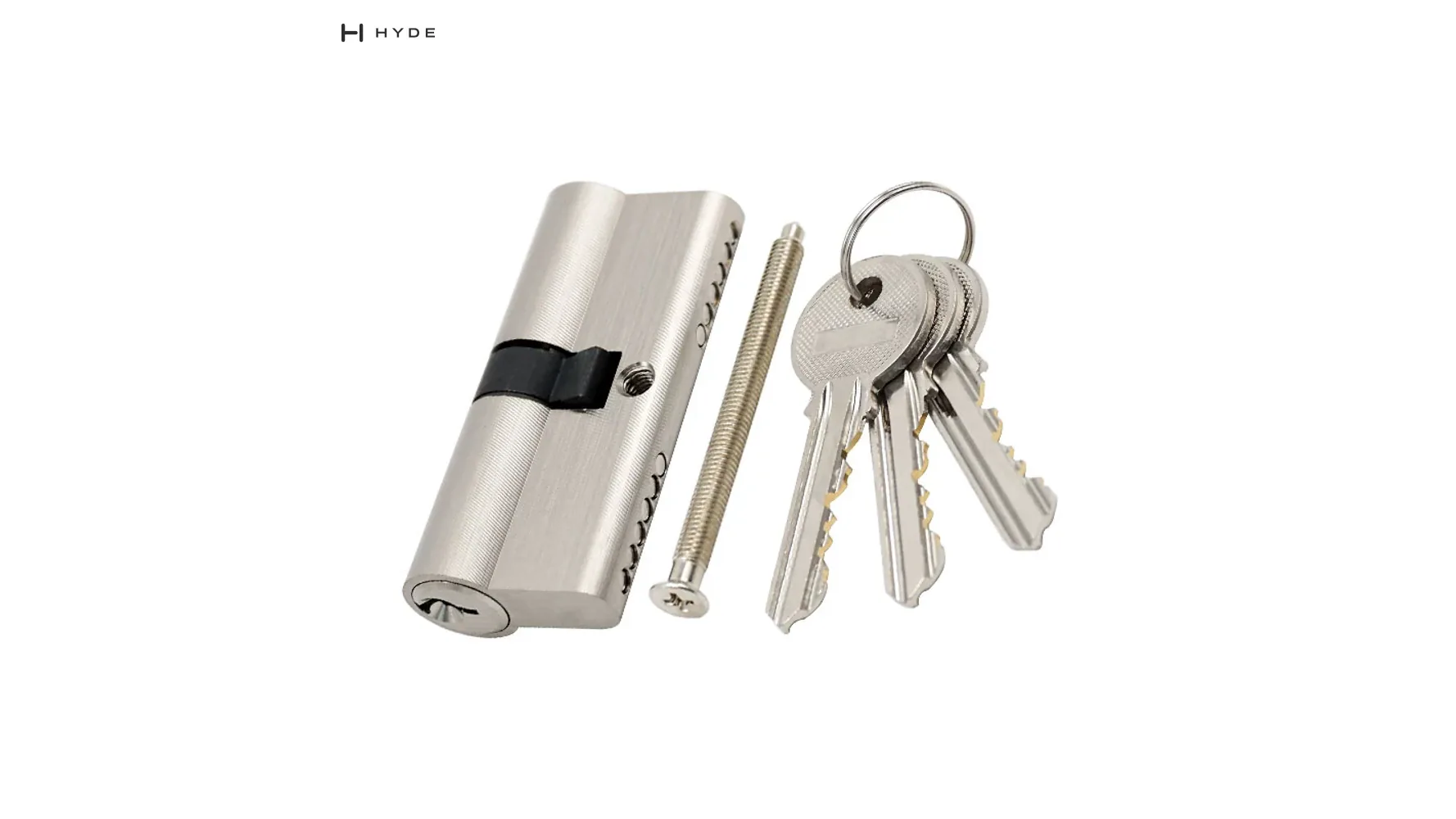
45 to 90: Reading Our Euro Cylinder Range
In this range the model number is the overall length in millimeters, so 45, 54, 60, 70, 80 and 90 are six lengths rather than six products. All are solid brass. What the letters after the number mean is partly documented and partly not, and this article says which is which.
Insight
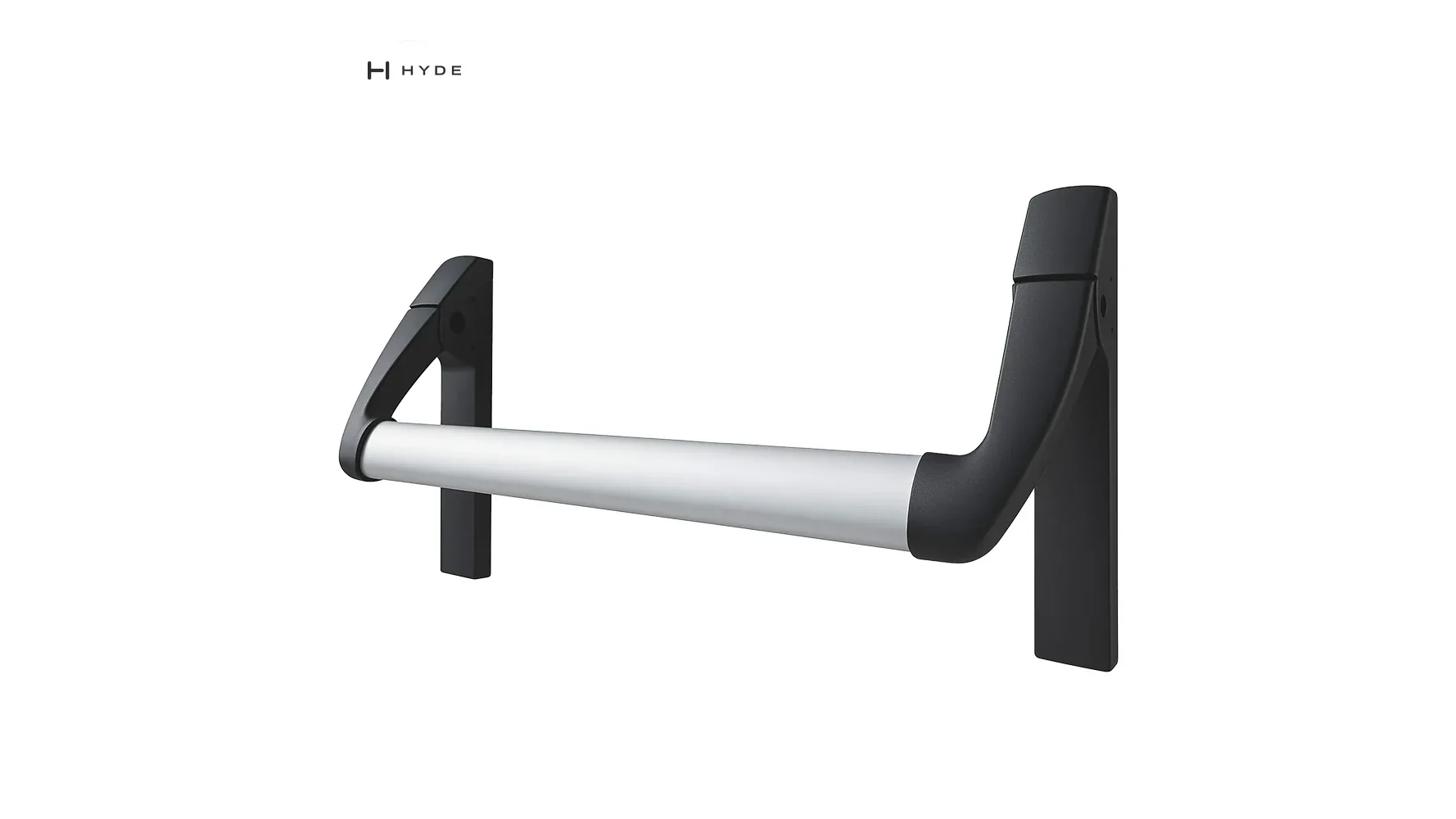
650 to 1110mm: Which Push Bar Length Your Door Takes
Bar length is the dimension most often left off an exit-device inquiry, and the one that cannot be corrected on site. Our published lengths run 650, 800, 900, 1000, 1040, 1050 and 1110mm (43-11/16"), some adjustable and some not, and which of those your door takes is decided by the leaf width rather than by the model you liked.
Insight
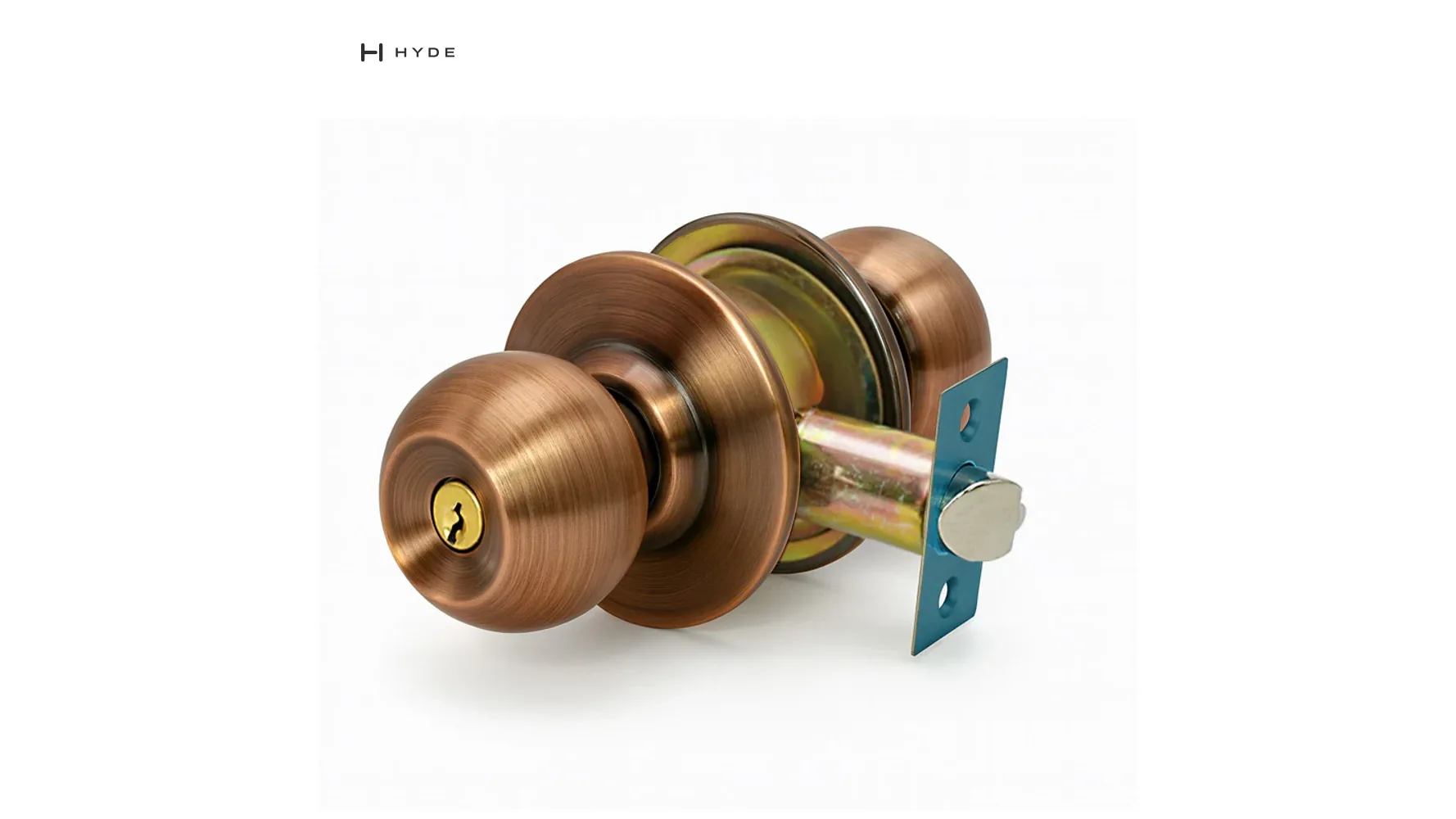
US26D, 626, 630: A Finish Code Is Not a Color
A North American specification writes 626, not "satin chrome". The number encodes the base metal as well as the appearance, so 626 and 652 are the same color and different products. Of 519 published Canton Hyland records, 77 can be given a number honestly; the other 442 cannot, and each has a reason.
Insight
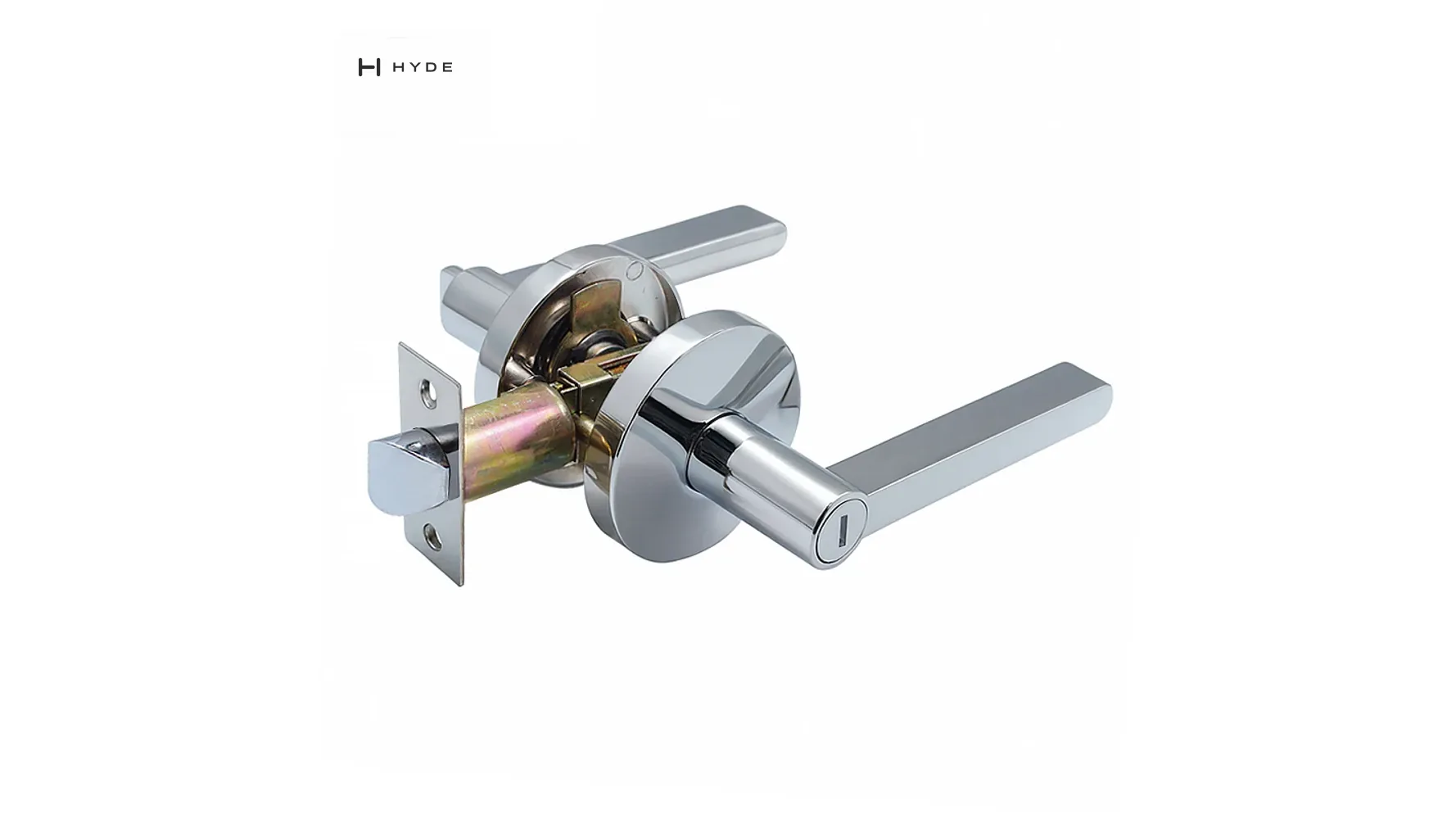
200,000 Cycles: What the LH Lever Range Is Actually Rated For
LH852, LH853, LH855, 808 and 6491 share a published cycle life of 200,000 operations, a 60/70mm backset, a 35–45mm (1-3/8" to 1-3/4") adjustable door thickness and a solid steel zinc-plated chassis behind a zinc-alloy lever. What separates them is the function set and the shape, and only one of the five offers a dummy.
Insight
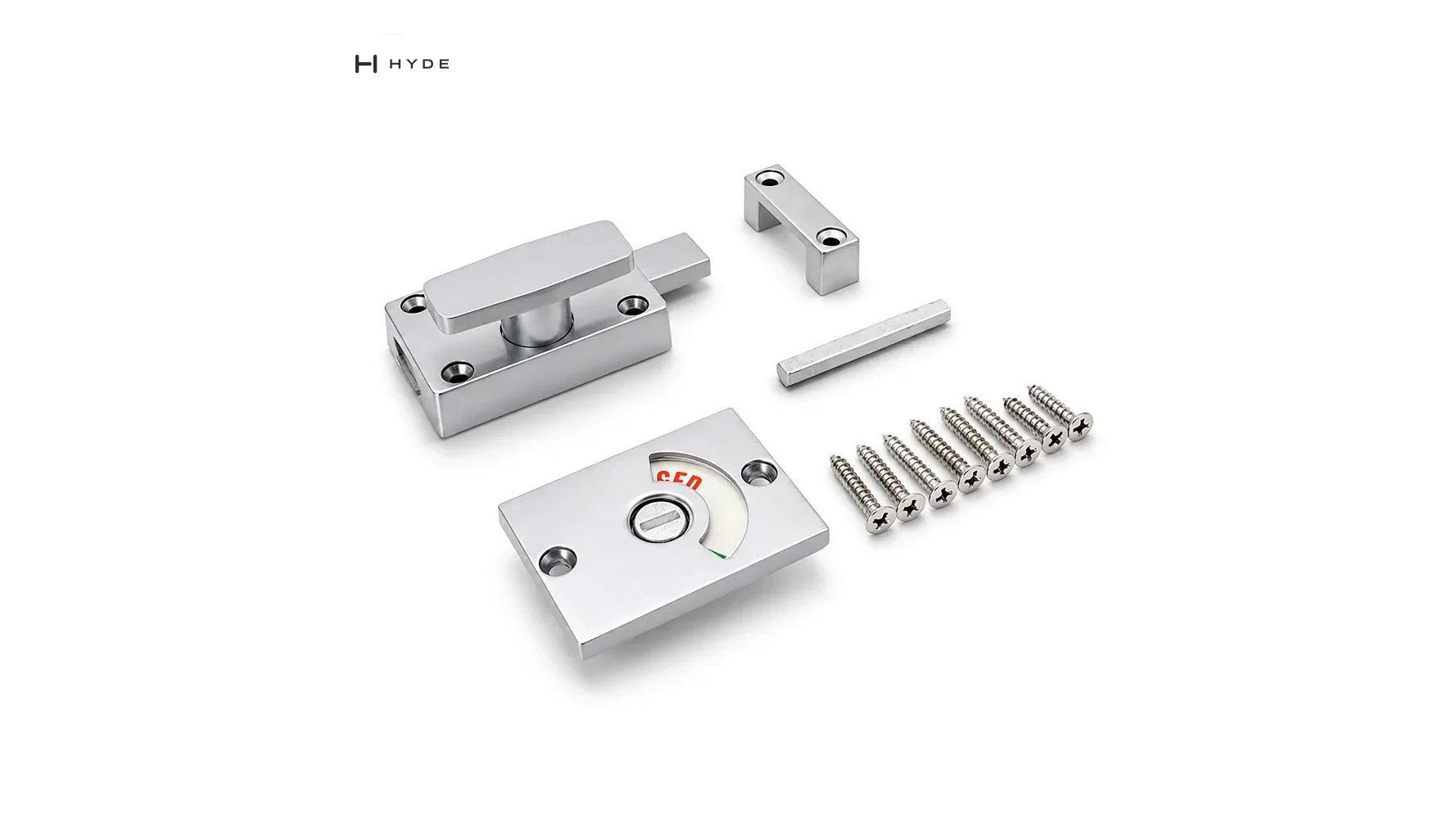
Occupied or Vacant: What a Washroom Indicator Actually Has to Do
An indicator bolt is a lock and a sign in one part: it has to read from standing distance, release from outside in an emergency, and survive several hundred operations a day. Our 200 and 400 are zinc alloy and our 500 is stainless steel, the one for aggressive cleaning or coastal buildings; all are surface mounted, so the door needs no mortise. We do not publish a cycle-test figure or the window size, so ask before you quote against a specification that needs either.
Insight
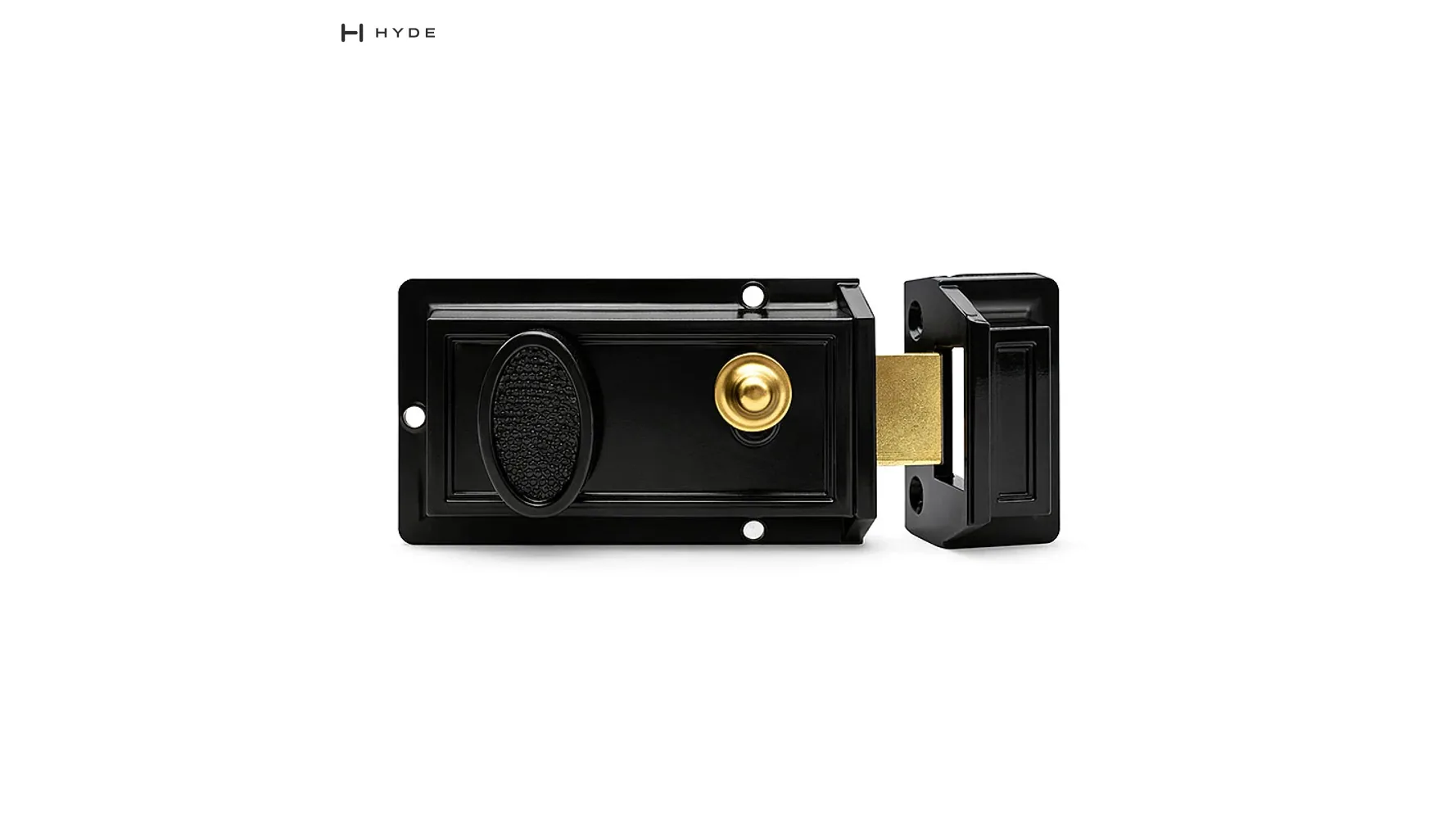
The Rim Night Latch: What 564 and 1073 Actually Measure
A rim night latch sits on the face of the door rather than inside it, which changes every dimension that matters: backset, door thickness range, latch extension and deadbolt throw. The 564 and the 1073 answer the same job in two different metals, and the difference between single-side and double-side is a security decision rather than a convenience one.
Insight
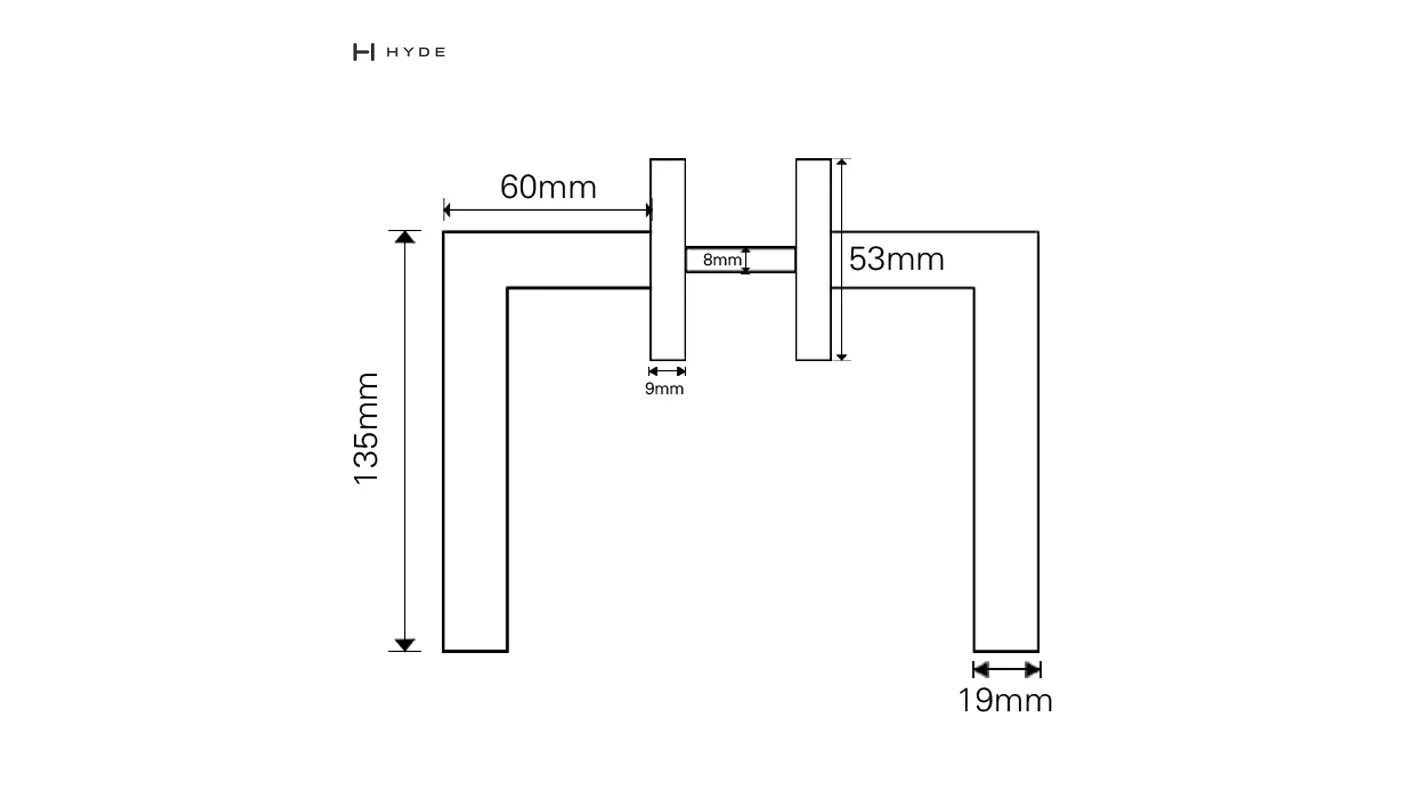
Lever Length, Rose Diameter, Projection: The Stainless 9000 Levers
The 9014, 9007 and 9008 are stainless lever sets on a 53mm (2-1/16") rose for a 35–50mm (1-3/8" to 1-15/16") door. The 9014 publishes a 135mm (5-5/16") lever, 60mm (2-3/8") projection and a 9mm (3/8") rose; the 9007 a 132mm (5-3/16") lever, 63mm (2-1/2") projection and an 8mm (5/16") rose. The 9008 publishes six rows in total, and this article says so rather than filling the gap in.
Insight
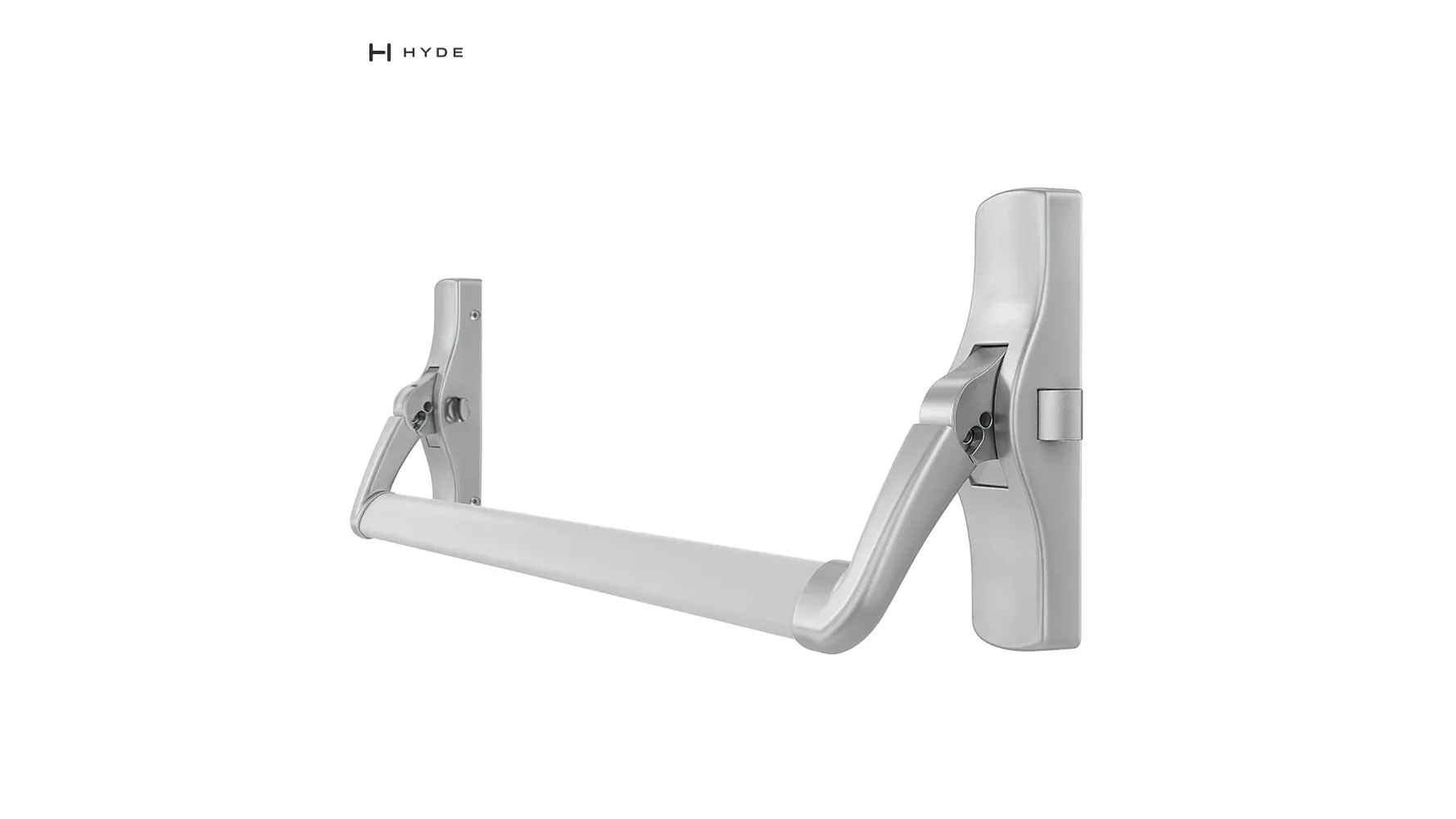
UL 305 Is a Listing, Not a Grade
EN 1125 is a standard you test against. ANSI/BHMA A156.3 is a standard that grades you 1, 2 or 3. UL 305 is neither, it is the basis for a listing, which is an ongoing arrangement with a certification body rather than a document you hold. Confusing the three is how a compliant-looking device fails a submittal.
Insight
A Padlock Chained to a Knight in Germany
Our principal found it on a German street, chained around the ankles of a cast-iron knight outside a hotel, and photographed it because the older a thing is the more it draws you in. We cannot tell you who made it or when, rust removes exactly the evidence that would answer that. We can tell you what is still legible in the metal, which is more than you would expect, and why we are not going to invent the rest.
Insight
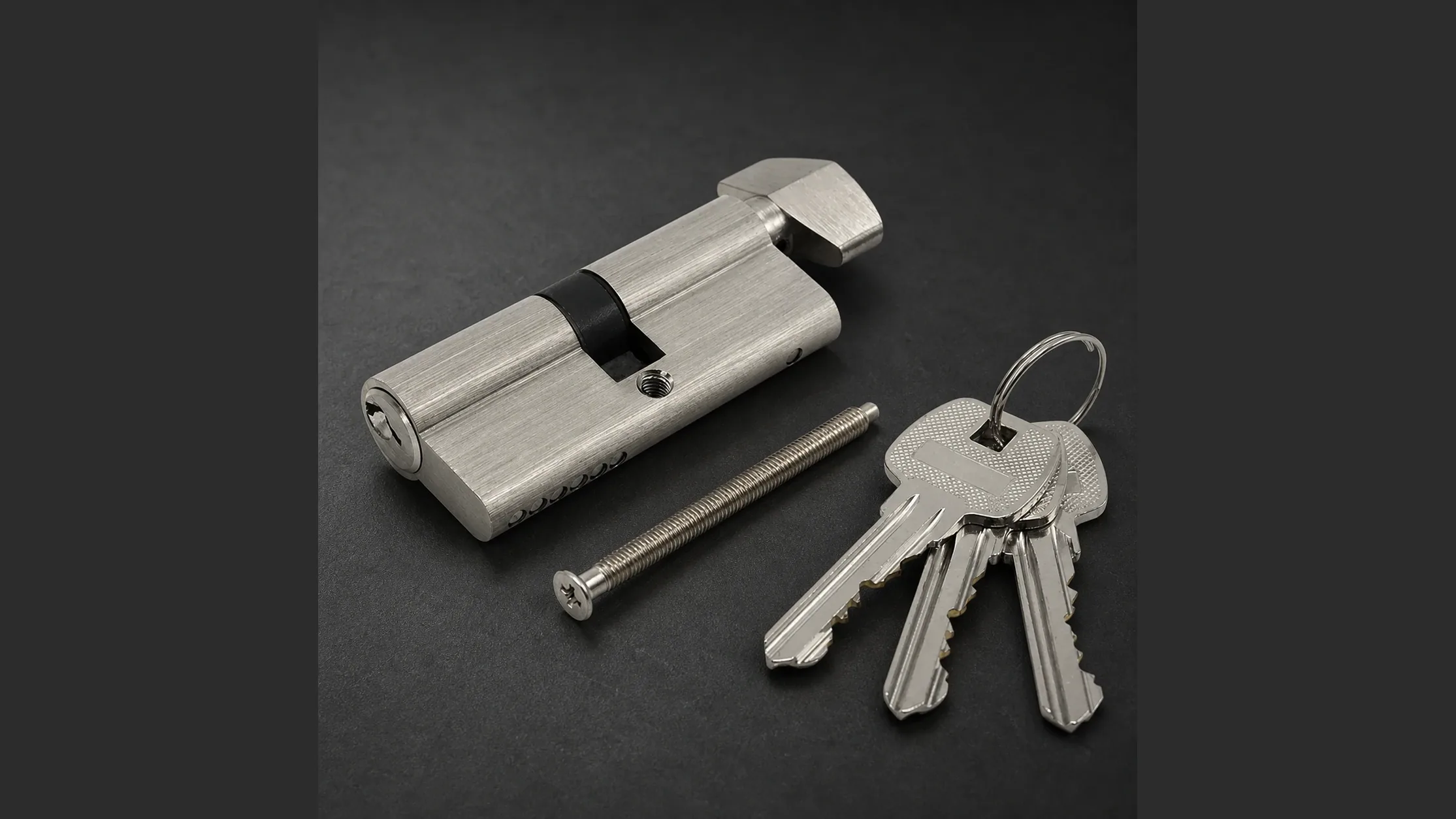
Fitting a Euro Cylinder: Five Steps, and the Two Everyone Skips
A euro cylinder goes in and out through the lock case, held by one screw, and the whole job takes two minutes once the cylinder is the right length. Almost every failed fitting is one of two things: the cam was not turned before it was pushed through, or nobody tried the key with the door shut.
Insight
Why the Catalog Is This Wide: 28 Years of Cutting Moulds for Other People's Doors
Almost nothing in this range was designed by us in the abstract. A buyer somewhere could not find a part in their own market, brought us a drawing or a sample, and we cut the mould. Do that since 1998 and the catalog ends up looking like a map of other people's doors.
Insight
Why a Double Fire Door Needs a Coordinator, and How to Size One
A pair of fire doors with two closers closes in whichever order the springs decide; if the active leaf arrives first, the astragal holds it open and the door does not latch. A coordinator forces the inactive leaf to close first, and it only works when the leaf weights, the closer on each leaf and the coordinator's own rating agree. Our DC02 is rated to 100kg, but our heaviest closer stops at 85kg, so above 85kg we do not currently offer a closer.
Insight
Five Months of Tooling: How the 311 Exit Device Was Made
A customer called at eleven at night asking for a price, came to the factory the next afternoon with a sample, and asked whether we could make it. Three moulds, three toolmakers, one pause of over a year, and five months of trial-and-correction later, the 311 existed. This is what buying a custom exit device actually costs a factory, and why a lead time on a tooled product is not the same number as a lead time on a catalog one.
Insight
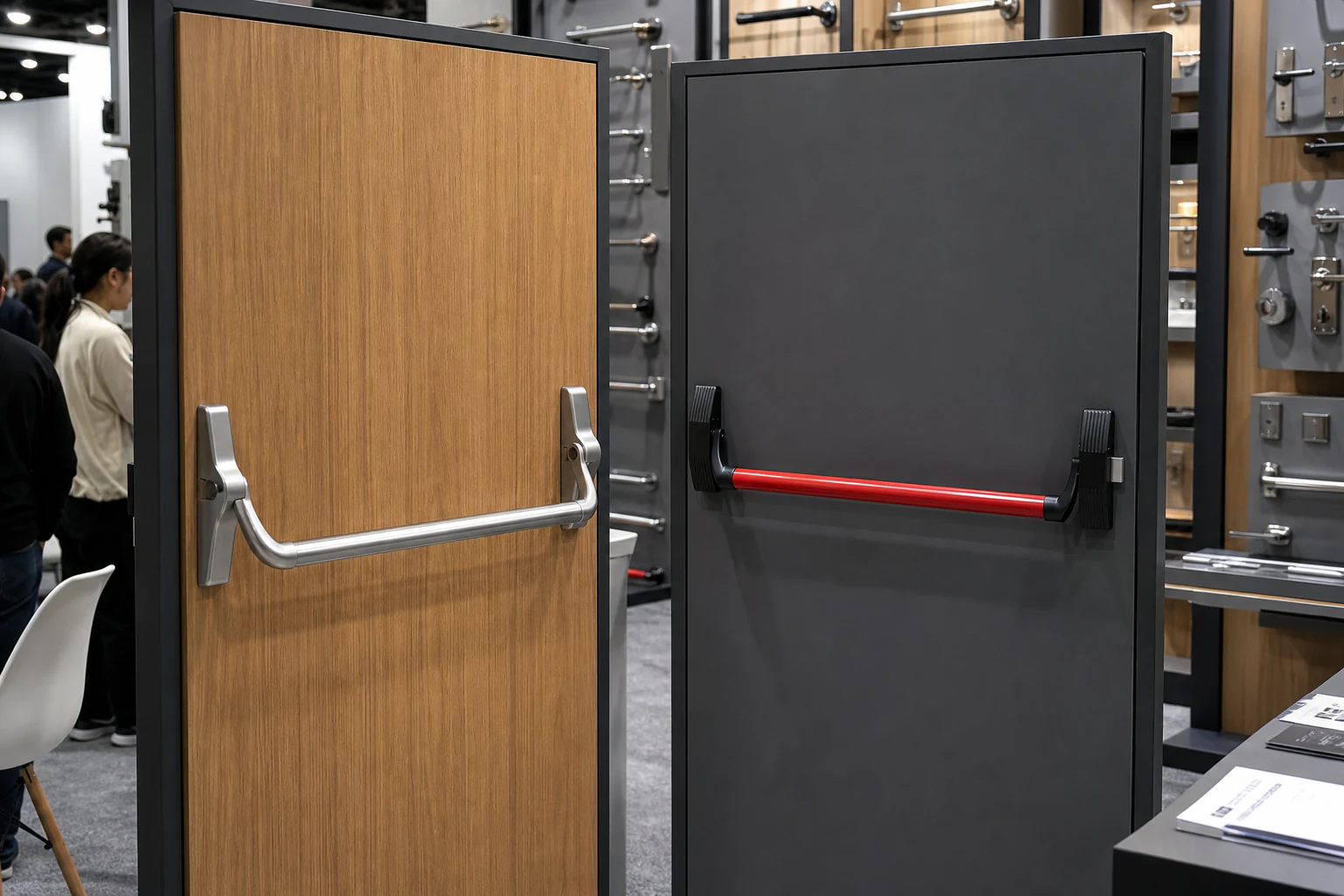
Which Exit Device Standard Your Project Is Actually Under
EN 1125 and ANSI/BHMA A156.3 are not two grades of the same thing. They come from different building codes, measure different failures, and a device built to one is not automatically acceptable under the other. The standard is decided by where the door is, not by what you prefer.
Insight
How Many Levels Your Master Key System Actually Needs
We build master key systems up to 5 levels, GGMK down to the change key, and most buildings need 3: every extra level spends key combinations the building may need later. This article gives the level chart, a worked example for a 4-floor office with 36 cylinders (the grand master opens all 36, the facilities master 8, the cleaners' sub-master 3) and a blank chart to print and fill in.
Insight
Cross-Referencing a Lock You Already Buy
To reorder somebody else's lock, match 6 dimensions, not the model number. For a mortise lock they are backset, center distance, faceplate length and width, case height and depth, spindle size (almost always 8mm square) and door thickness range. Our LC07 85×45mm, for example, has an 85mm center distance and a 45mm backset. Finish names and grade labels do not carry across factories; the dimensions do.
Insight
DS013 and DS011 Are Not the Same Kind of Thing
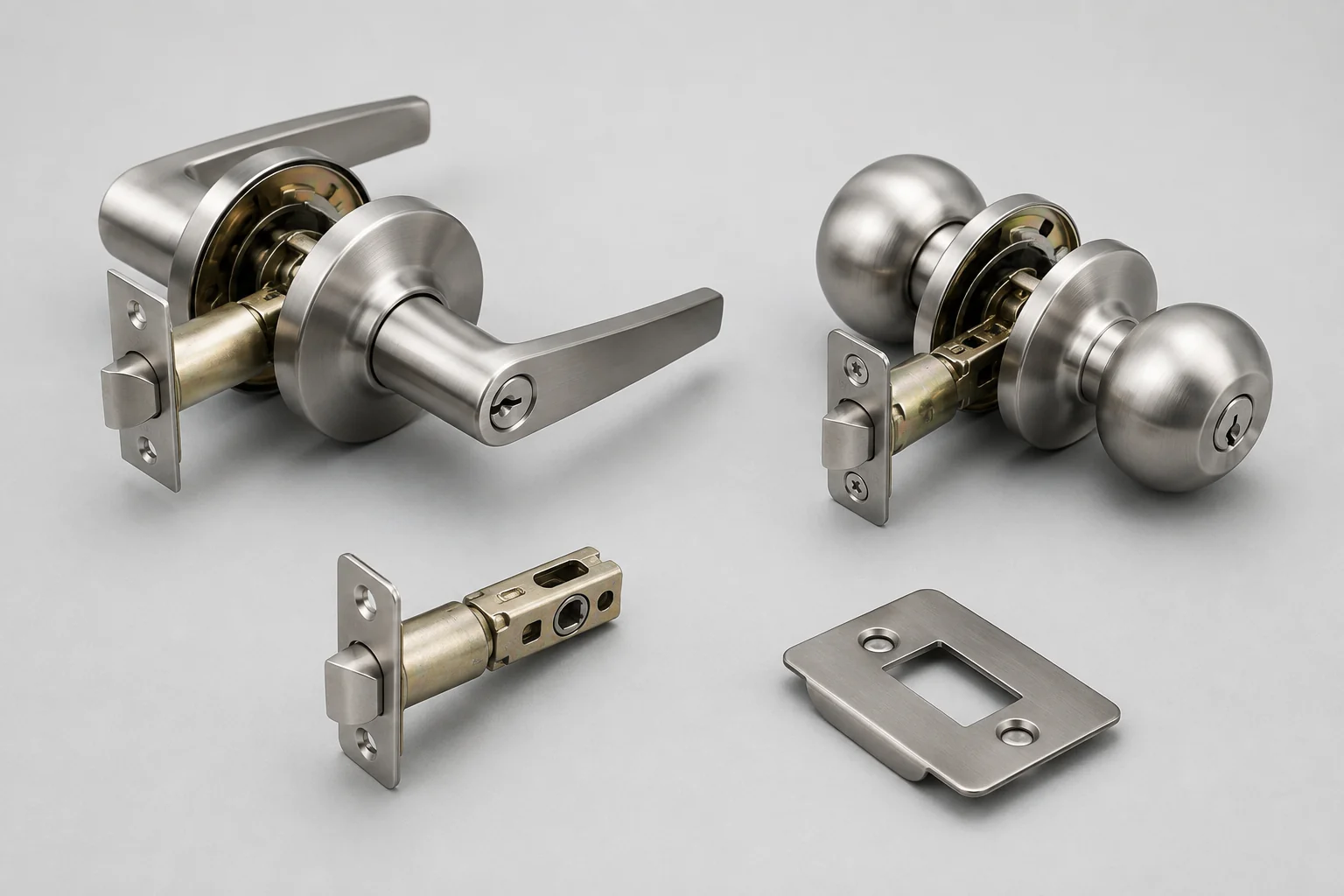
Somebody searched "door stopper ds013 vs ds011" and landed on us. It is a fair question and the answer is that only one of them is a door stopper, DS011 is a flush bolt, which does the opposite job. Here is how to tell three commonly confused items apart before they are on the order.
Insight
Cutsheets, CAD and BIM: What We Have and What We Do Not
From us today: specifications on every product page as a table, dimensioned drawings for some models, and one current catalog PDF. Test documents come on request, for the exact model covered. There is no BIM library (no Revit families or IFC objects) and no published door-preparation drawing; for a cutting template, ask for an approved drawing of the exact model. Ask by model number in the configuration you buy: a drawing of the 60mm backset version is not a drawing of the 45mm one.
Insight
70 Is the Total, Not the Split
The number in 70SN is the overall length of the cylinder in millimeters. It says nothing about how that 70mm (2-3/4") is divided either side of the cam, and the division is the part that decides whether the key turns once the door is hung.
Insight
A Test Report Covers a Model, Not a Range
Our EN 1125 report covers one exit device: KD070/30-290. Our durability report covers one lock: 607 SS ET. Neither covers the family it sits in, and a supplier who lets you believe otherwise has handed you a problem that surfaces at handover.
Insight
What OEM Actually Changes, and What It Does Not
Putting your brand on a lock is 4 separate decisions: packaging and marking, branding on the part, finish, and the part itself. Only the fourth needs a mould. Packaging and finish changes run on catalog lead time, from 30 days after order confirmation; a modified die adds the modification; a new mould takes 3 to 5 months before production can begin. This article lists what to send for each of the 4 so the first reply is a real answer.
Insight
Handing: The One-Letter Answer That Holds Up Orders
Left, right or universal is a single character on an order line and the most common reason a quotation goes back for clarification. It is decided by where the hinges are and which way the door opens, and the two conventions in use disagree with each other.
Insight
The Six Values a Hardware Order Actually Needs
Most inquiries arrive with a model number and a quantity, and most of those go back with a question. Six values decide whether a part can be installed, and an inquiry carrying all six can be quoted the same day.
Insight
Trim Handle or Panic Bar: What the Outside of a Fire Exit Door Needs
A panic bar opens the door from inside. It does nothing for the person outside. The part that lets them in is a separate order line, and getting the two confused is the most common way an exit-door schedule arrives incomplete.
Insight
ANSI Grade 1 or EN 1125: Which Standard Your Exit Device Has to Meet
They are not two grades of the same thing. ANSI/BHMA A156.3 rates an exit device by cycles and force; EN 1125 tests whether a panicking crowd can get out. Which one you need is decided by the country your building is in, not by which sounds stronger.
Insight
Why Aluminum Doors Drop, and What the Lock Case Has to Do With It
A narrow-stile aluminum door that no longer latches has almost never broken its lock: the leaf has dropped a few millimeters at the far edge. On a stile only 30 to 50mm wide, the hinge or pivot side wears first, the frame's corner joints open second, and the latch shows it third, because it sits in a strike with perhaps 2mm of tolerance. Only the lock case is a hardware decision: our narrow-stile cases run at 30, 40 and 45mm backsets.
Insight
Push Bar or Touch Bar: Which Panic Device Your Door Needs
A push bar pivots and travels; a touch bar depresses flush into its own housing. They cost differently, they fail differently, and only one of them survives a corridor that gets hit by trolleys. Canton Hyland builds the push-bar type across all 42 devices in the range.

Insight
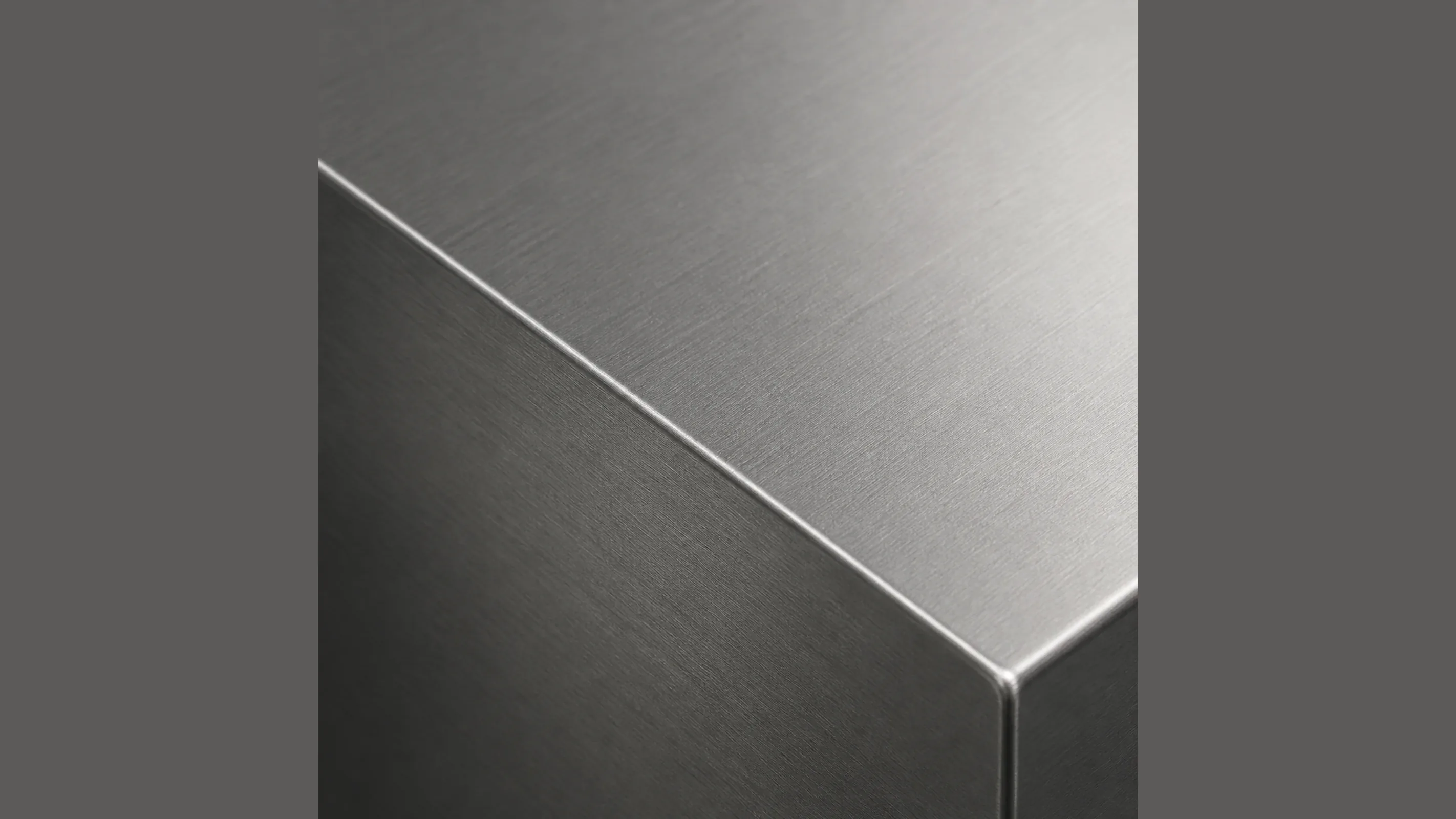
304, 201 or 316: Which Stainless Steel You Are Actually Buying
Three grades look identical in a photograph, cost differently, and behave nothing alike within sight of the sea. 201 substitutes manganese for nickel and rusts where 304 does not; 316 adds molybdenum and survives where 304 pits. Here is how to tell which one you have been quoted.
Insight
What One Frameless Glass Door Actually Needs
A frameless glass door is not a product, it is an assembly of six or seven parts ordered from three different categories. Buyers quote the handle, forget the floor spring, and discover the over-panel patch on site. Here is the whole list, in the order it gets forgotten.
Insight
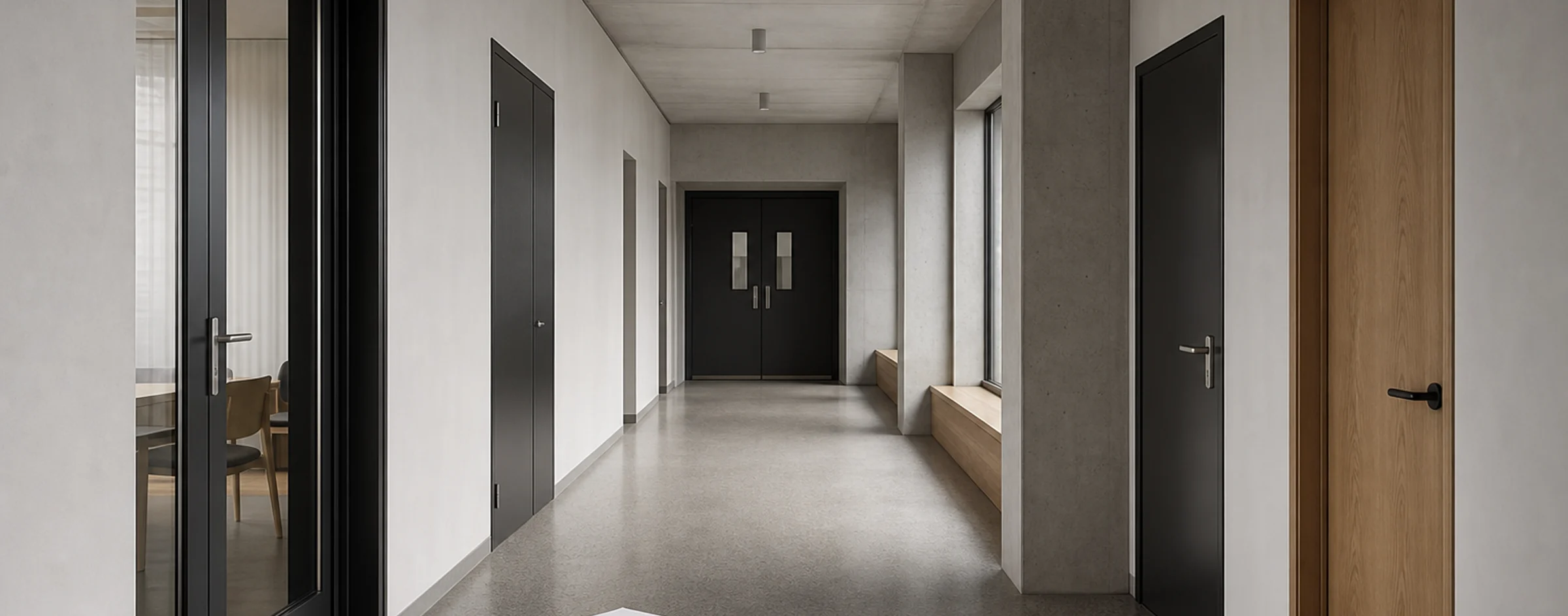
The Door Schedule: How Hardware Is Actually Specified
Projects buy door types, not locks: a schedule says 30 of set HW-01 and 90 of HW-02, and every line in a set has to agree with the others. A lock case with an 85mm center distance needs levers drilled for 85mm and a cylinder sized to the leaf. This article reads a schedule the way a project buyer does, with a worked set (HW-02: an 85mm × 60mm euro lock case, the rows our LC04 publishes), before you quote against one.
Insight
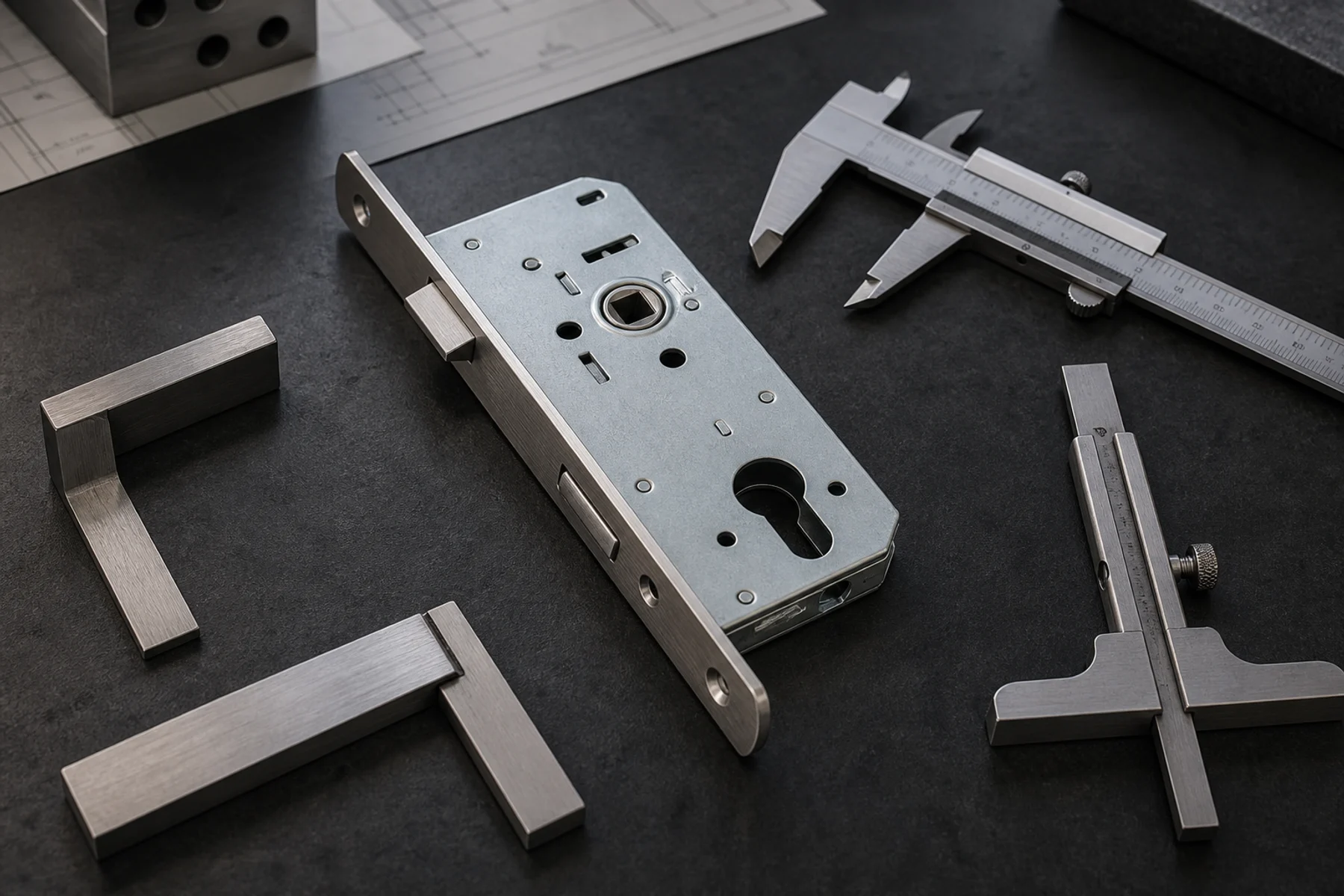
Backset and Center Distance: How to Read a Mortise Lock Case Number
Two numbers decide whether a lock case fits the door, and they are printed in the model number: LC08 85×55 is an 85mm (3-3/8") center distance with a 55mm (2-3/16") backset. 85mm is the standard center distance for euro-profile cylinder locks; backset is where the variation lives, from 16mm cases for narrow aluminum stiles upward. Getting either wrong is the most common reason a container of hardware cannot be installed.
Insight
What the Letters After a Model Number Mean
607 PB, 607 AB, 607 SN and 607 BN are the same lock in four finishes. The letters are a finish code and a function code, read from the right, and once you can read them a price list of four hundred lines collapses into about sixty products.