
Insight
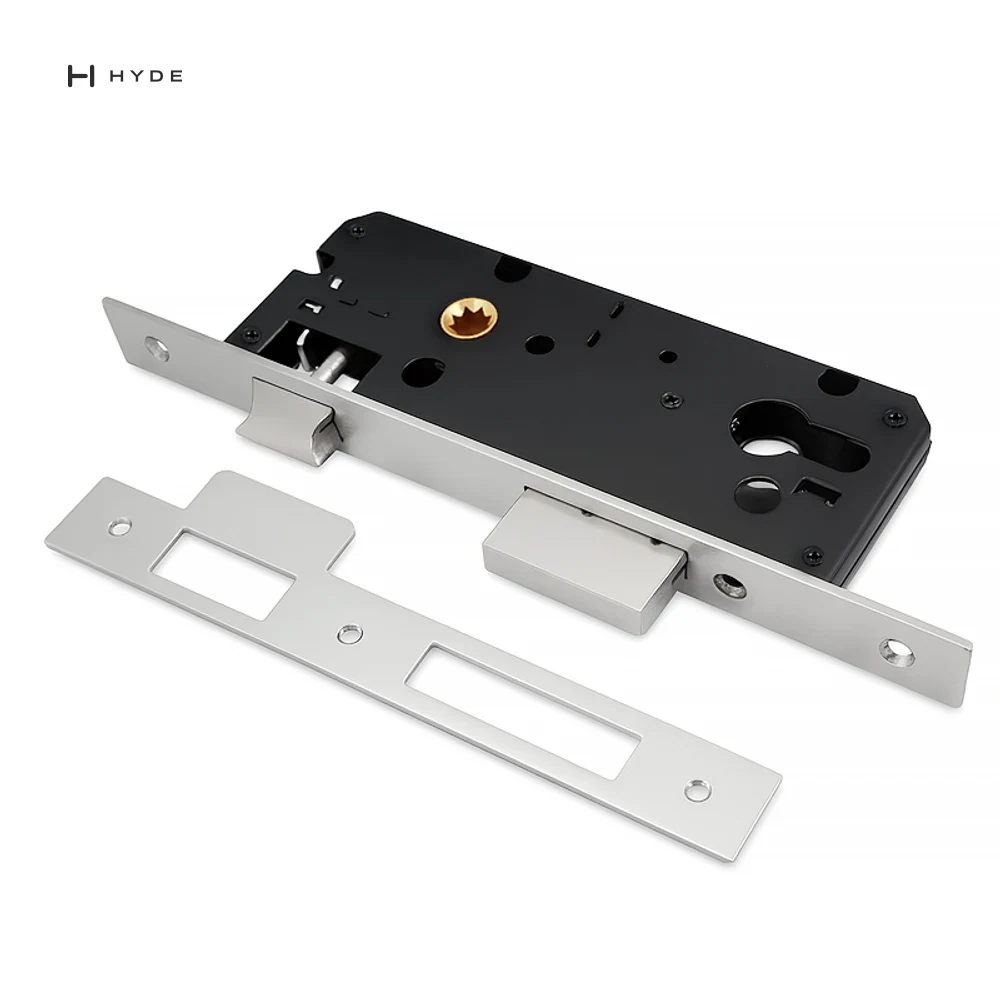
Backset and Door Thickness Chart 2026: What 589 Published Models Actually Take
Two numbers decide whether a replacement lock drops into a door that is already machined: the backset and the door thickness range. This is what our published catalogue actually carries — counted from the records rather than quoted from a brochure — with the imperial equivalents, the measuring method, and the one dimension that is not a backset and gets confused with it.
Insight
Container Loading for Door Hardware 2026: Why a 40HQ Does Not Hold More Than a 40GP
Door hardware is a weight-limited cargo, not a volume-limited one. Worked from our own shipping worksheet: the median carton density is 614 kg per cubic metre, which is above the point where a 40-foot container runs out of payload before it runs out of space. The high cube buys 15 per cent more volume and, for this cargo, no more hardware.

Insight
Corrosion Resistance 2026: EN 1670 Grades 0–5, Salt Spray Hours, and What the Test Does Not Tell You
EN 1670 grades door hardware corrosion resistance from 0 to 5, and each grade is a number of hours in a neutral salt spray cabinet. This page gives the hours for every grade, explains what ASTM B117 and ANSI/BHMA A156.18 do on the other side of the Atlantic, names the three environments where a grade chosen by habit fails, and is honest about what a cabinet test cannot predict.
Insight
200,000 Cycles: What a Durability Figure Means in EN 1906 and in ANSI/BHMA, and Why It Is Not the Same Number
We publish 200,000 cycles on 132 models. In EN 1906 that is the top durability category. In ANSI/BHMA A156.2 it is the entry grade. Both statements are true, and a specification that reads one as the other will either over-buy or under-buy. This page sets out what a cycle test actually is, what each scale asks for, and where our own figure sits on both.
Insight
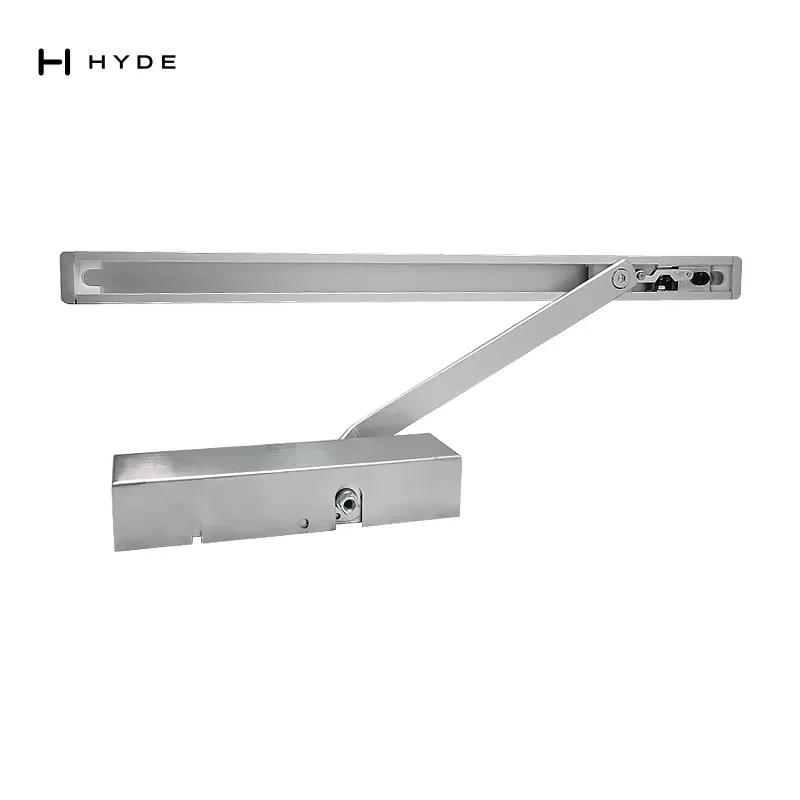
Door Closer Mounting 2026: Regular Arm, Top Jamb, Parallel Arm and Slide Track Compared
The same door closer performs differently depending on where it is mounted, and the mounting is usually chosen on site by whoever is holding the drill. This page compares the four standard arrangements on the three things that matter — mechanical efficiency, projection into the opening, and vulnerability — explains why a parallel arm can cost you a power size, and sets out which side of the door each one lives on.
Insight
Door Closer Power Size 2026: EN 1154 Sizes 1–7, A156.4, and How to Pick One from the Door
A door closer is specified by a power size, and the power size is derived from the door — its leaf width and its mass — not from the opening or the building type. This page sets out the EN 1154 size ladder with the leaf widths each covers, how the ANSI/BHMA A156.4 approach differs, the three adjustments that are not the power size, and the accessibility constraint that overrides all of it.
Insight
Door Hardware HS Codes 2026: Headings 8301 and 8302 Decoded, and Where the Six Digits Stop
Almost every product in a door hardware catalogue classifies under one of two HS headings: 8301 for locks and keys, 8302 for mountings and fittings. This page sets out the subheadings under each, names the four that are most often got wrong — door closers, keys shipped separately, parts, and furniture versus building fittings — and explains exactly where the internationally agreed code ends and your own country's begins.
Insight
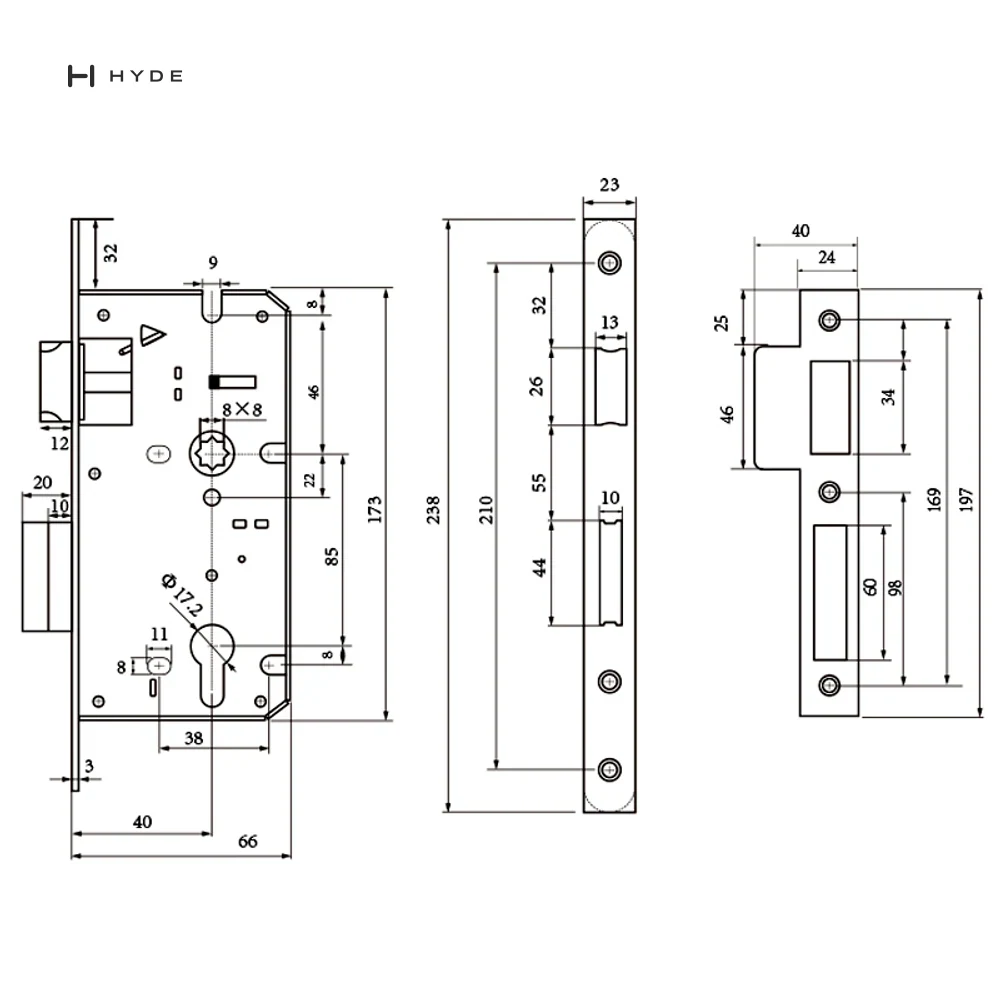
Door Preparation 2026: The 161 Bore, the 86 Mortise Pocket, and What "Prepped For" Actually Guarantees
A door arrives on site "prepped", and whether the lock fits is decided by holes cut weeks earlier in another factory. This page sets out the standard bored-lock and mortise-lock preparations with their dimensions, explains the ANSI/BHMA A115 series that governs them, and lists the five things a purchase order has to say before a door manufacturer can cut anything.
Insight
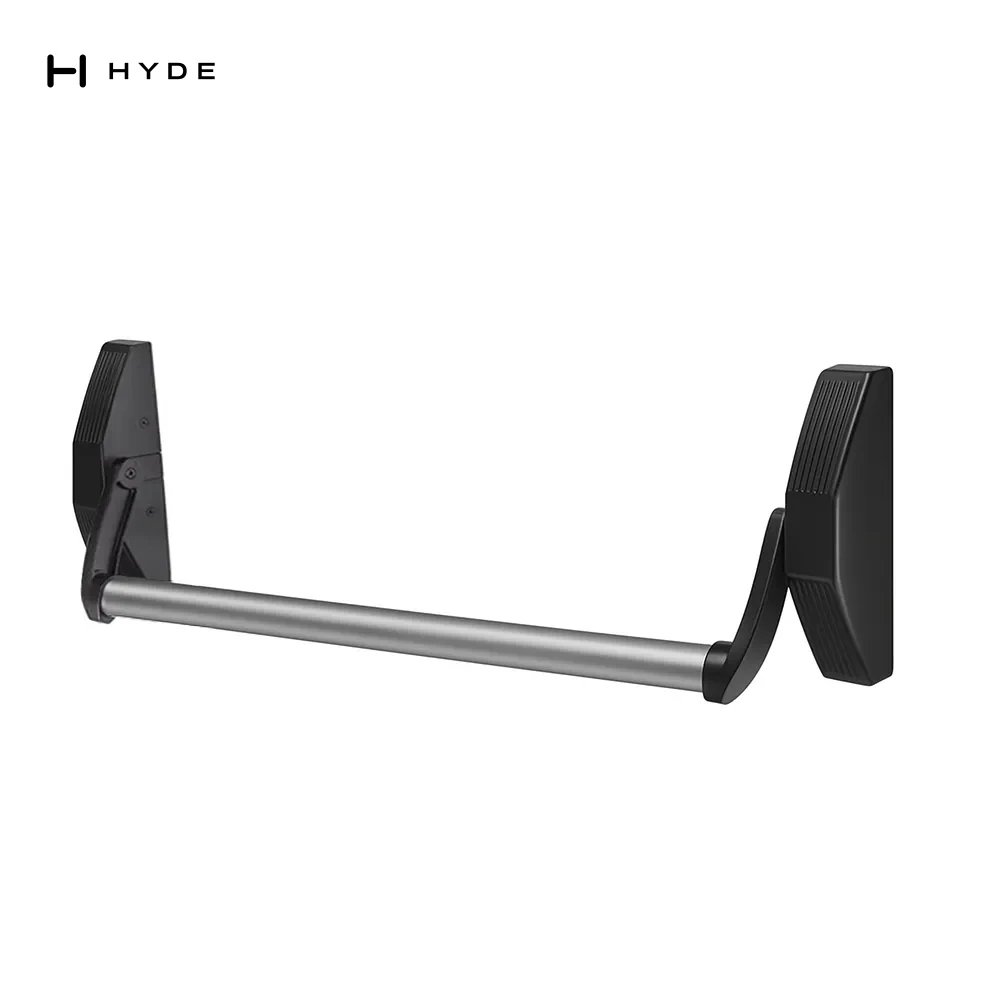
EN to ANSI/BHMA Cross-Reference 2026: What Maps, What Does Not, and Why
Specifiers ask for a conversion table between EN and ANSI/BHMA door hardware standards. What exists is a scope map, not an equivalence: the two systems classify different properties, and a product certified to one carries no automatic claim under the other. This page sets out which standard covers which product family on each side, what each one measures, and the four places the mapping genuinely breaks.
Insight
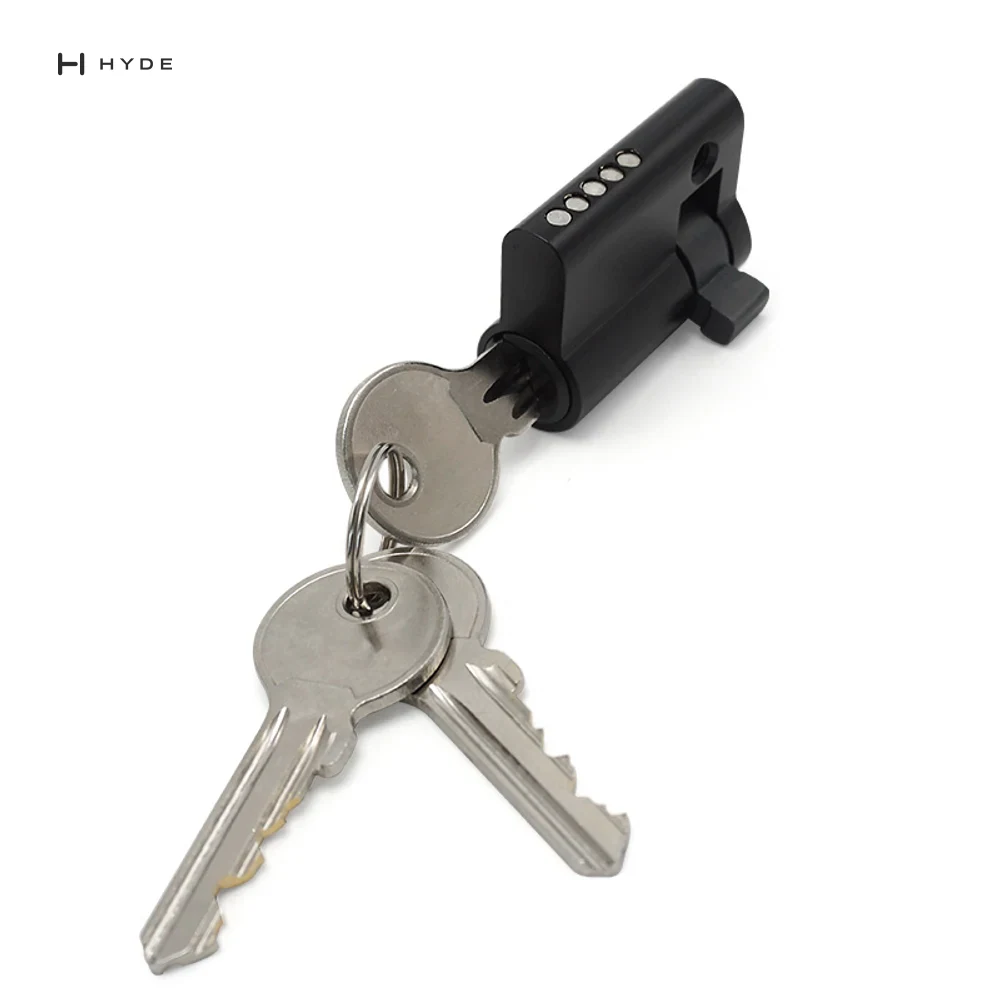
Euro Cylinder Size Chart 2026: Every Length and Split, and How to Measure Yours
A euro cylinder is described by two numbers, and getting them the wrong way round is the commonest ordering error in door hardware. This is the full size chart to EN 1303 and DIN 18252 geometry, the nine overall lengths we publish, the split combinations that add up to each one, and the measurement that decides which you need.
Insight
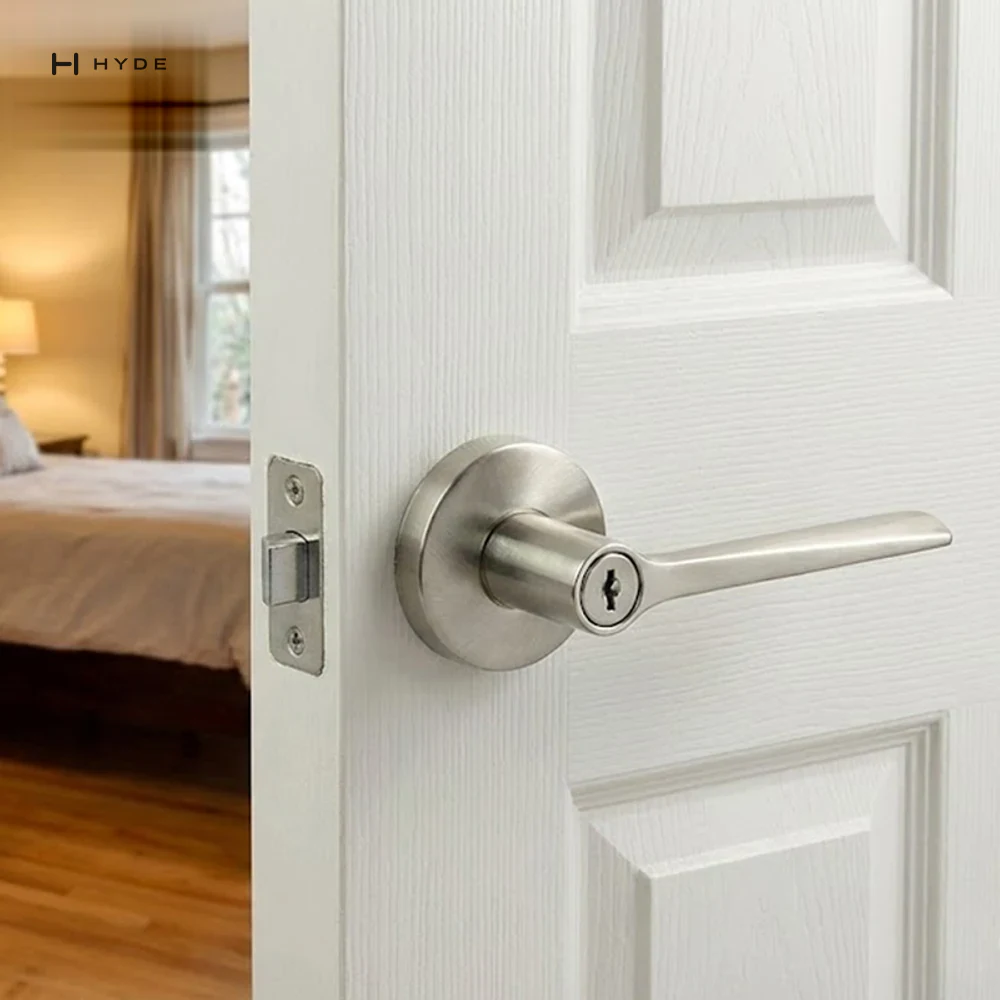
Finish Code Reference 2026: The 23 Codes, the BHMA Numbers, and the Four Pairs That Reverse
A finish code on a purchase order decides what arrives, and four pairs of codes in common use are reversals of each other. This is the reference: the 23 codes our catalogue uses, how they line up with BHMA 600-series and US26x numbers, the pairs that get transposed, and a count of how inconsistently our own catalogue spells them.
Insight
Fire Door Hardware 2026: Which Components Must Be Rated, EN 1634-1 vs UL 10C and NFPA 252, and What a Certificate Covers
A fire door is not a product; it is a tested assembly, and every item fixed to it is part of what was tested. This page lists the components that must be rated, explains the difference between EN 1634-1 and UL 10C / NFPA 252 including the hose stream test that only one of them has, sets out what a certificate actually covers, and states plainly which of our own products do and do not carry a fire rating today.
Insight
Glass Door Hardware 2026: Thickness Ranges, Cut-Out Dimensions, and the One Step That Cannot Be Undone
Glass door hardware is the only category where getting the sequence wrong destroys the door rather than delaying it. This page gives the glass thickness ranges our fittings actually accept, explains the glass gap dimension and the corner radius on a cut-out, sets out why every hole must be made before toughening, and lists what has to be on the glass shop drawing before anybody orders anything.
Insight
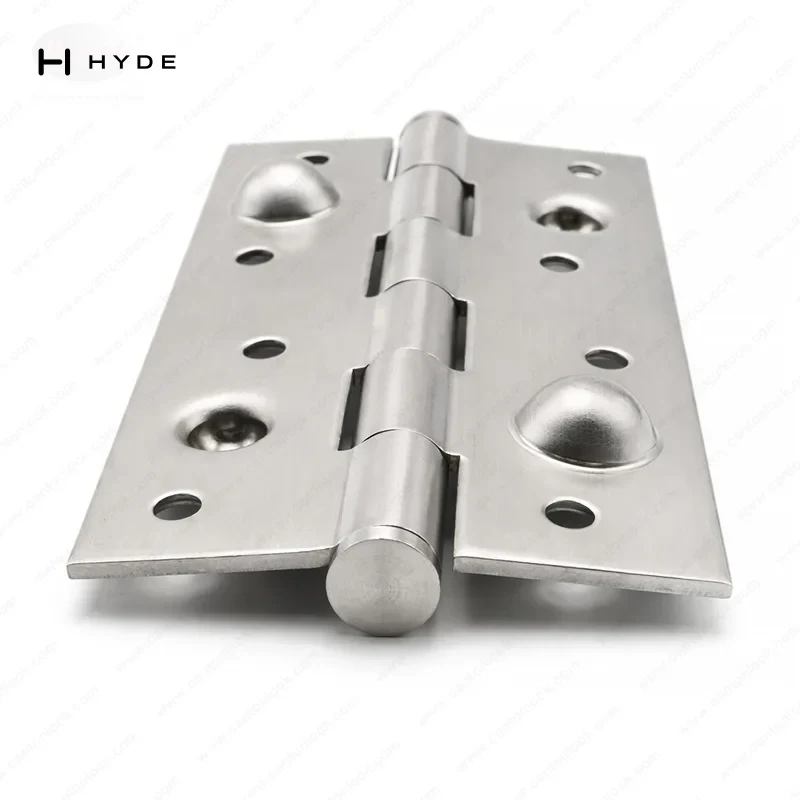
Hinge Grades and Hinge Count 2026: EN 1935 Grades 1–14, ANSI/BHMA A156.1, and How Many a Door Needs
Two questions decide a hinge specification: what grade, and how many. EN 1935 answers the first with grades 1 to 14 tied to a tested door mass; ANSI/BHMA A156.1 answers it with a weight class and a frequency. Neither answers the second, which is governed by leaf height and mass. This page sets out both ladders, the count rule, and the three failure modes that come from getting the count right and the grade wrong.
Insight
Key Blanks and Restricted Profiles 2026: Open, Restricted and Patented Keyways, and What Key Control Actually Buys
A key that enters a lock and a key that turns it are two different achievements, and the difference is the keyway. This page explains what a blank and a profile are, separates open from restricted from patented keyways, is precise about what each one stops and what it does not, explains why a patent expiring changes the security of a building that was specified years earlier, and lists what a buyer has to decide before a master key system can be cut.
Insight
Lever Return and EN 1906 2026: Why a Lever Must Curve Back, and What the Eight-Digit Classification Says
A straight lever handle looks cleaner than a returned one and is rejected on most commercial specifications, for a reason that has nothing to do with taste. This page explains what lever return is, the safety and accessibility requirements behind it, why a knob fails accessibility where a lever passes, and how to read the eight fields of an EN 1906 handle classification instead of quoting only the first one.
Insight
MOQ, Tooling and Lead Time 2026: What Actually Sets the Minimum, and Why 300 and 5,000 Are Both True
A buyer asks for a minimum order quantity and gets a range, which reads as evasion and is not. This page explains the four things that actually set an MOQ — the finish batch, the tooling, the packaging and the model's own production run — why our published range runs from 300 to 5,000 pieces, what the 30-day lead time is actually counting, and the three decisions a buyer can make that move all of these in their favour.
Insight
Samples and Incoming Inspection 2026: The Golden Sample, What to Measure, and What a Sample Cannot Tell You
A sample is the cheapest place to discover that a supplier understood something differently from how you meant it. This page sets out the three kinds of sample and which one to ask for, the golden sample procedure that makes a sample enforceable instead of decorative, exactly what to measure when one arrives, the three properties a sample genuinely cannot demonstrate, and how to write an inspection standard that a third-party inspector can apply without calling you.
Insight
Door Handle Spindle Sizes 2026: 8mm and 9mm Squares, Split Spindles, and How to Calculate the Length
The spindle is the cheapest part of a door handle set and the one that most often makes a shipment unusable. Three numbers decide whether a handle will turn a lock: the square size, the spindle length, and whether the spindle is solid or split. This page sets out all three, gives the length formula, and shows what our own catalogue actually publishes.
Insight
Strike Plates and Keeps 2026: ANSI Strike vs T-Strike, Lip Length, and the Dimension Nobody Measures
The strike is the cheapest component in a door opening and the one that decides whether the lock ever latches properly. This page sets out the two standard North American strike sizes, the European keep conventions, how to work out lip length instead of guessing it, the difference between square and radius corners, and why a security upgrade that stops at the lock has upgraded nothing.