
Noticias y prensa
Comunicados de empresa, novedades de certificación y notas técnicas de Canton Hyland.
Nota técnica
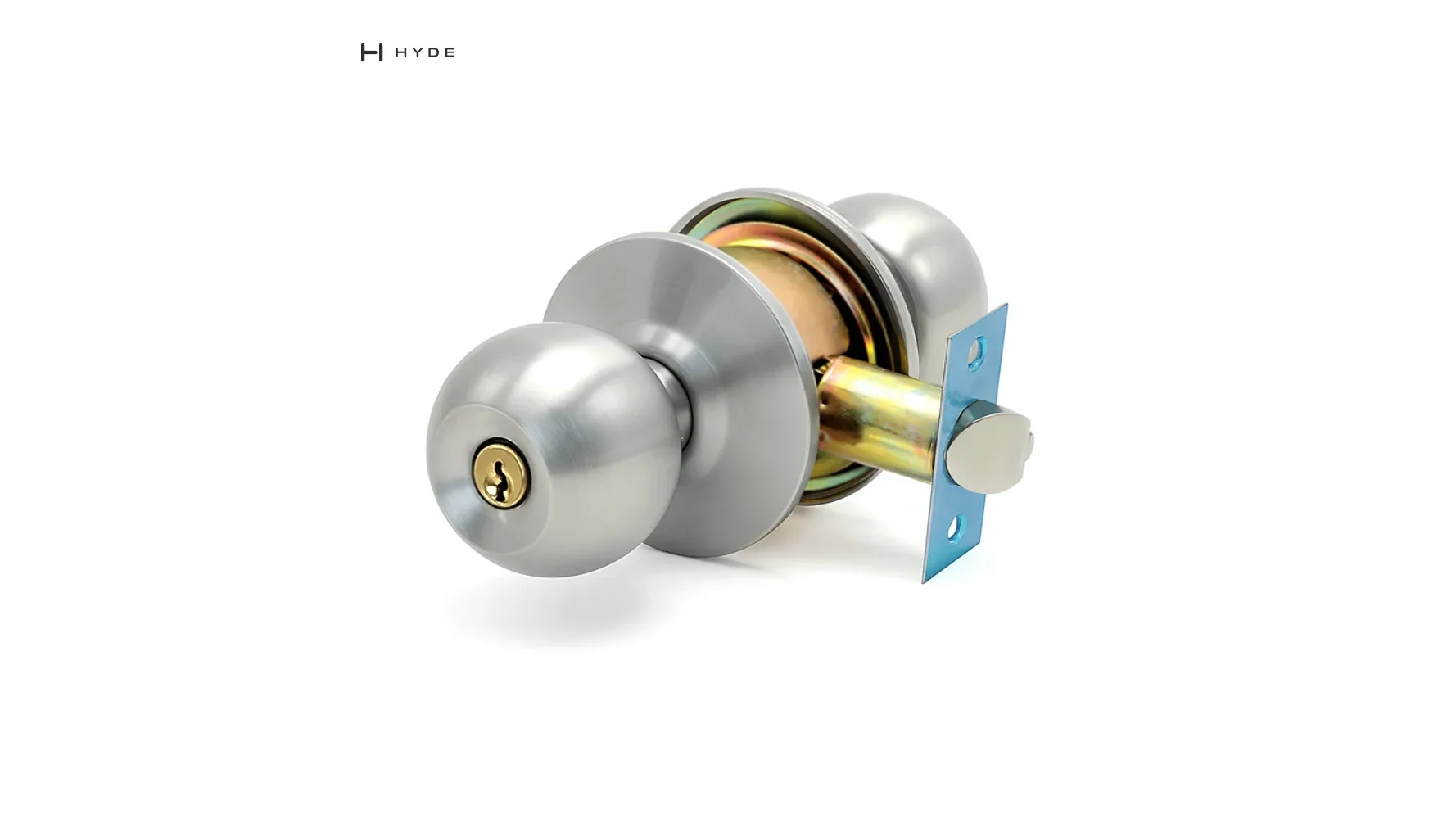
Perillas y manijas cortafuego: la clasificación está en el pestillo, no en la perilla
Ninguna perilla ni manija es cortafuego por su forma. La clasificación pertenece al conjunto de puerta ensayado y a la cerradura de pestillo listada, es decir, pestillo, chasis, cerradero y guarnición juntos. Aquí explicamos qué clasifican realmente UL 10C, NFPA 80, EN 12209 y EN 1906, por qué perilla o manija es una decisión de accesibilidad y qué pedir al proveedor antes de comprar.
Nota técnica
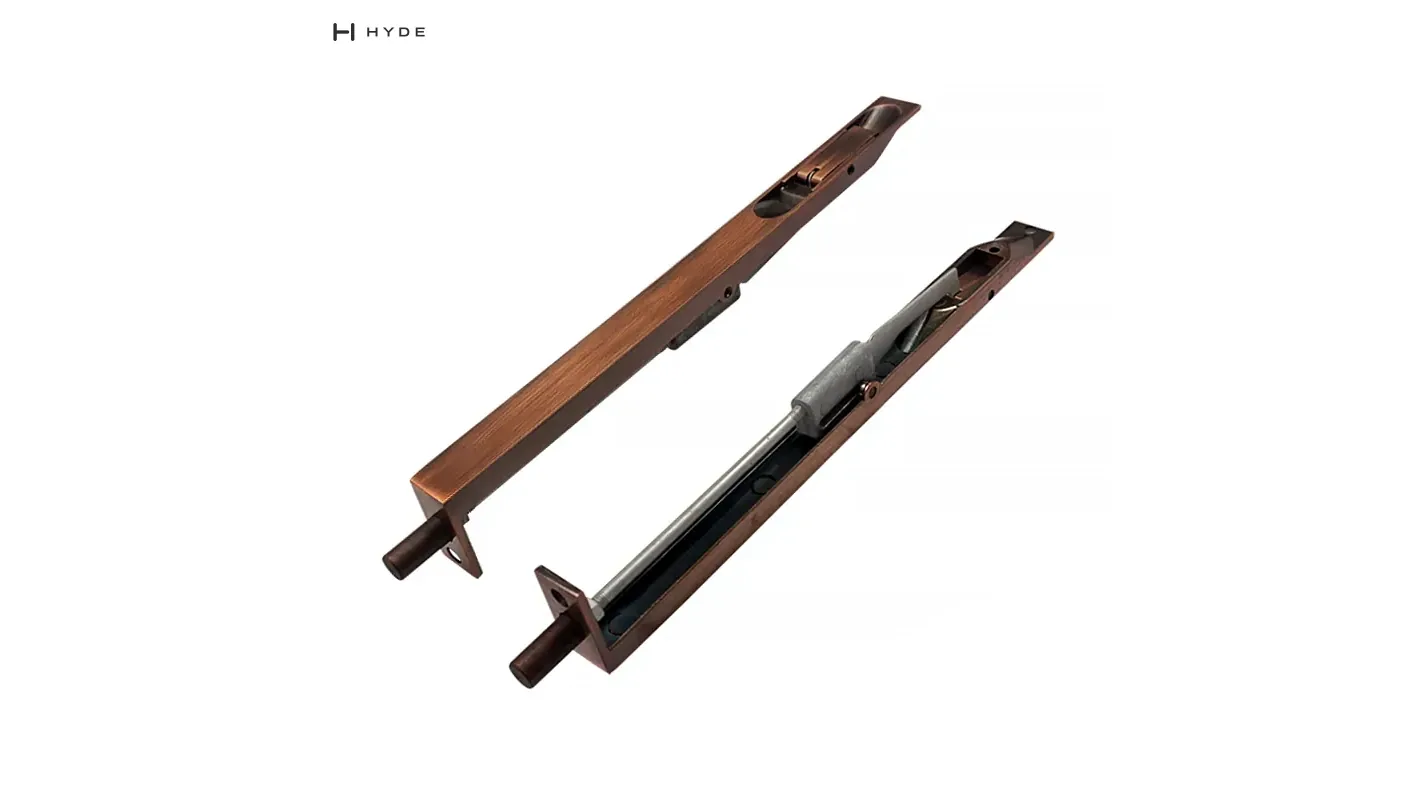
Pasadores embutidos FB001 y FB005: qué tipo, qué largo, qué hoja
El FB001 y el FB005 son pasadores embutidos manuales para la hoja pasiva de una puerta de dos hojas. Así se elige entre pasadores manuales, automáticos y autoenganchables, por qué el superior es el largo, en qué canto van y cómo escribir una línea de pedido que no se pueda malinterpretar.
Nota técnica
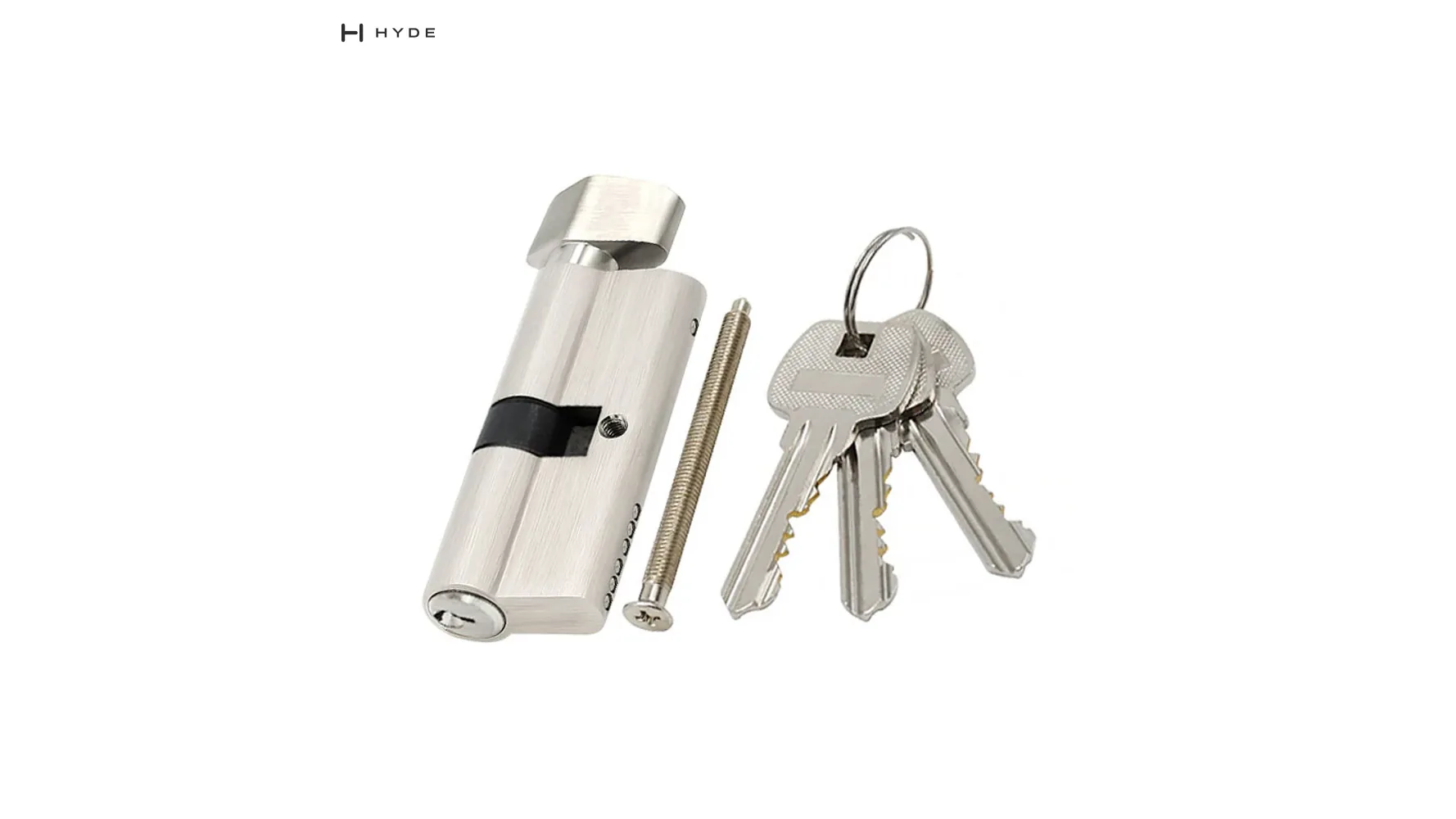
Cómo elaborar una planilla de llaves, con plantilla en blanco
La planilla de llaves es la tabla puerta por puerta con la que se combinan los cilindros: puerta, tipo y largo del cilindro, función, símbolo de llave, niveles maestros que lo abren, cantidad de llaves y notas. Aquí están las columnas, cómo se nombran símbolos como AA1 y AB2, un ejemplo resuelto para una oficina pequeña, una plantilla en blanco y qué enviar con el pedido.
Nota técnica
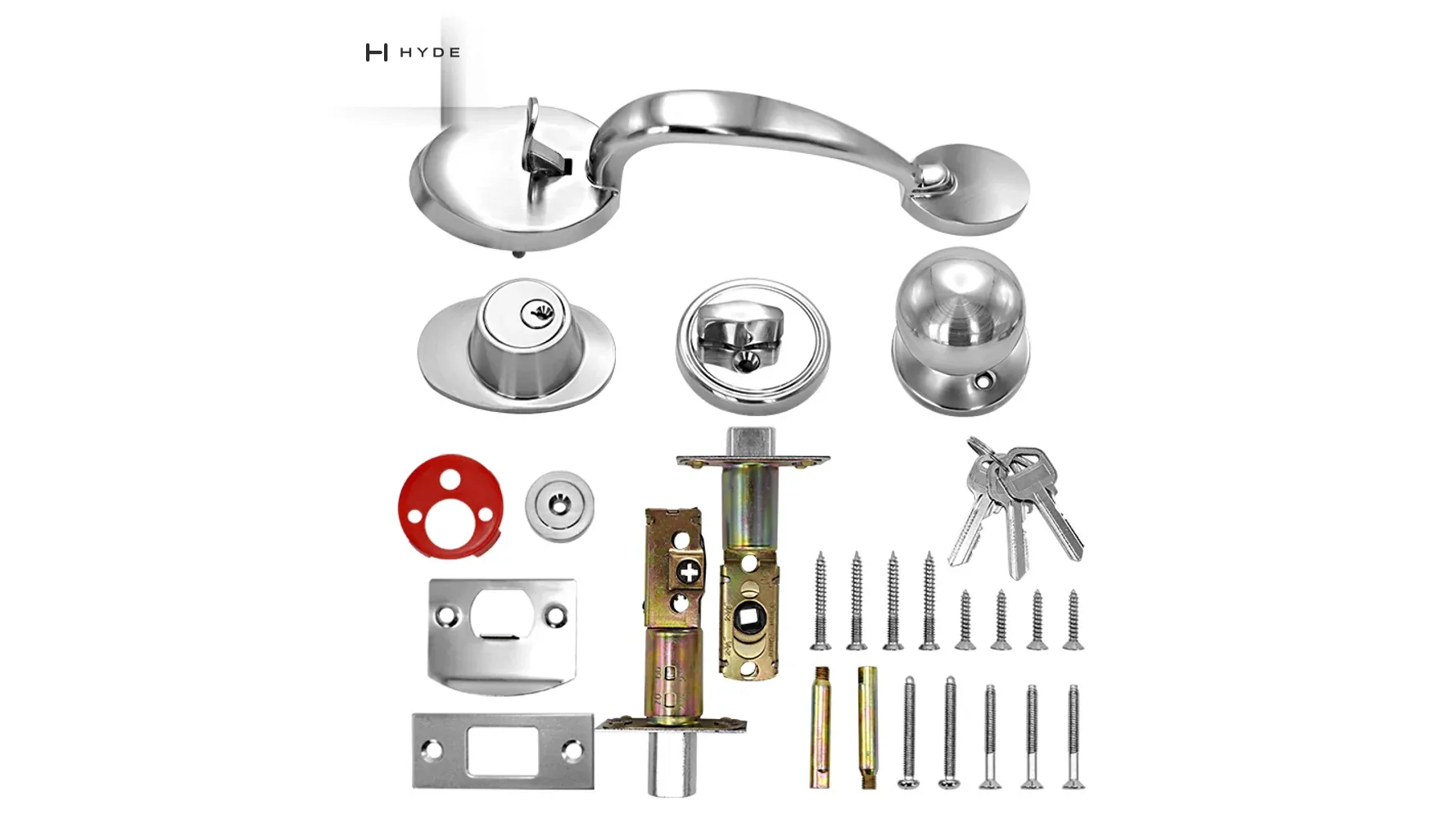
Cromo satinado vs níquel satinado: US26D/626 o US15/619, y cómo elegir
El cromo satinado (US26D, BHMA 626) es más frío y ligeramente azulado y combina de forma natural con el acero inoxidable satinado; el níquel satinado (US15, BHMA 619) es más cálido y ligeramente amarillento y va bien en interiores residenciales cálidos. Esta página los compara en color, desgaste, combinación con el inoxidable 630 y tipo de obra, indica los modelos HYDE que publican cada acabado y da la línea de pedido para recibir un solo acabado por puerta.
Nota técnica
Por qué cada cifrado de llave debe ser único: el piso de seguridad de un sistema de llave maestra
Cada llave de un sistema de llave maestra necesita un cifrado que ninguna otra comparta, dentro de su edificio y frente a los sistemas de otros clientes en el mismo perfil. Esta nota explica el cifrado, la profundidad y el espaciado, las llaves maestras incidentales y el MACS, y las tres cosas que conviene pedir a un proveedor de cilindros antes de comprar.

Nota técnica
NBR 11742 y NBR 11785: qué revisa una inspección brasileña en los herrajes de una puerta cortafuego
En Brasil, una puerta cortafuego se aprueba dos veces, en el laboratorio y en la inspección del AVCB, y los herrajes están en las dos. Qué piden las dos normas ABNT a una barra antipánico y a una puerta de dos hojas, qué rechazan los inspectores y qué preguntar a un proveedor antes del primer contenedor.
Nota técnica
Un vano, un pedido: el conjunto de herrajes para una puerta cortafuego de evacuación de dos hojas
Una puerta cortafuego de evacuación de dos hojas lleva 6 líneas de herrajes: un dispositivo en cada hoja, una manija exterior en la hoja activa, un cierrapuertas en cada hoja y un coordinador para que la hoja pasiva cierre primero. Las 6 se dimensionan con 4 datos de las hojas: el ancho y el peso de cada hoja, el espesor de la puerta y cuál es la hoja activa. Este artículo las recorre en ese orden, muestra dónde 2 líneas correctas se contradicen y enumera lo que necesitamos para cotizarla como un solo vano.
Nota técnica
Una bisagra de piano «de latón» casi nunca es de latón
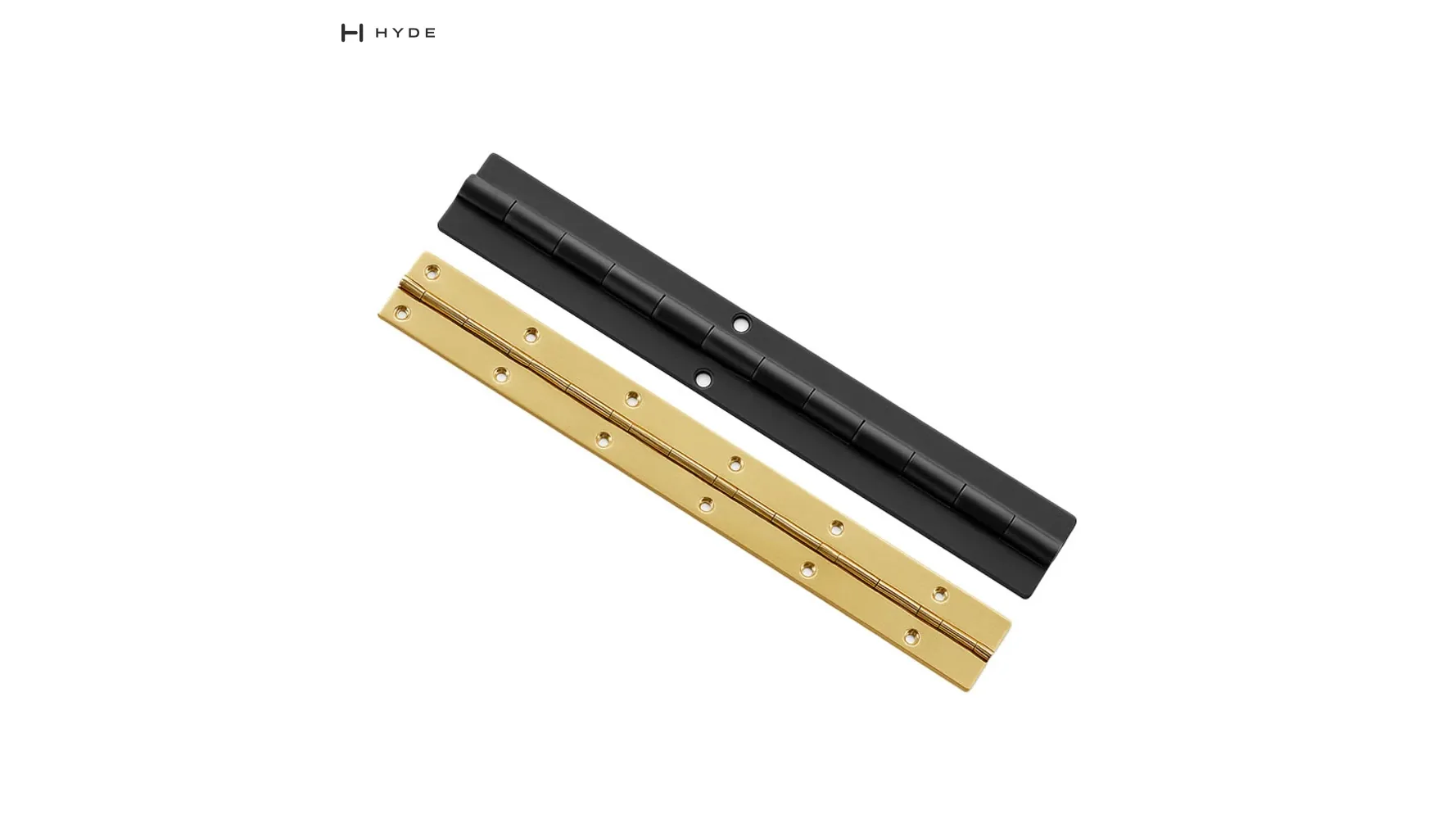
En este sector «bisagra de piano de latón» casi siempre nombra el acabado y no el metal. La nuestra es de hierro bajo un acabado negro mate o latón pulido, en anchos de 1", 1-1/4", 2" y 3", y nuestro propio catálogo afirmaba acero inoxidable hasta el 16 de septiembre, lo que ilustra bien cómo sobrevive la confusión.
Nota técnica
Entrada, condena, paso: cómo elegir entre doce cerraduras cilíndricas
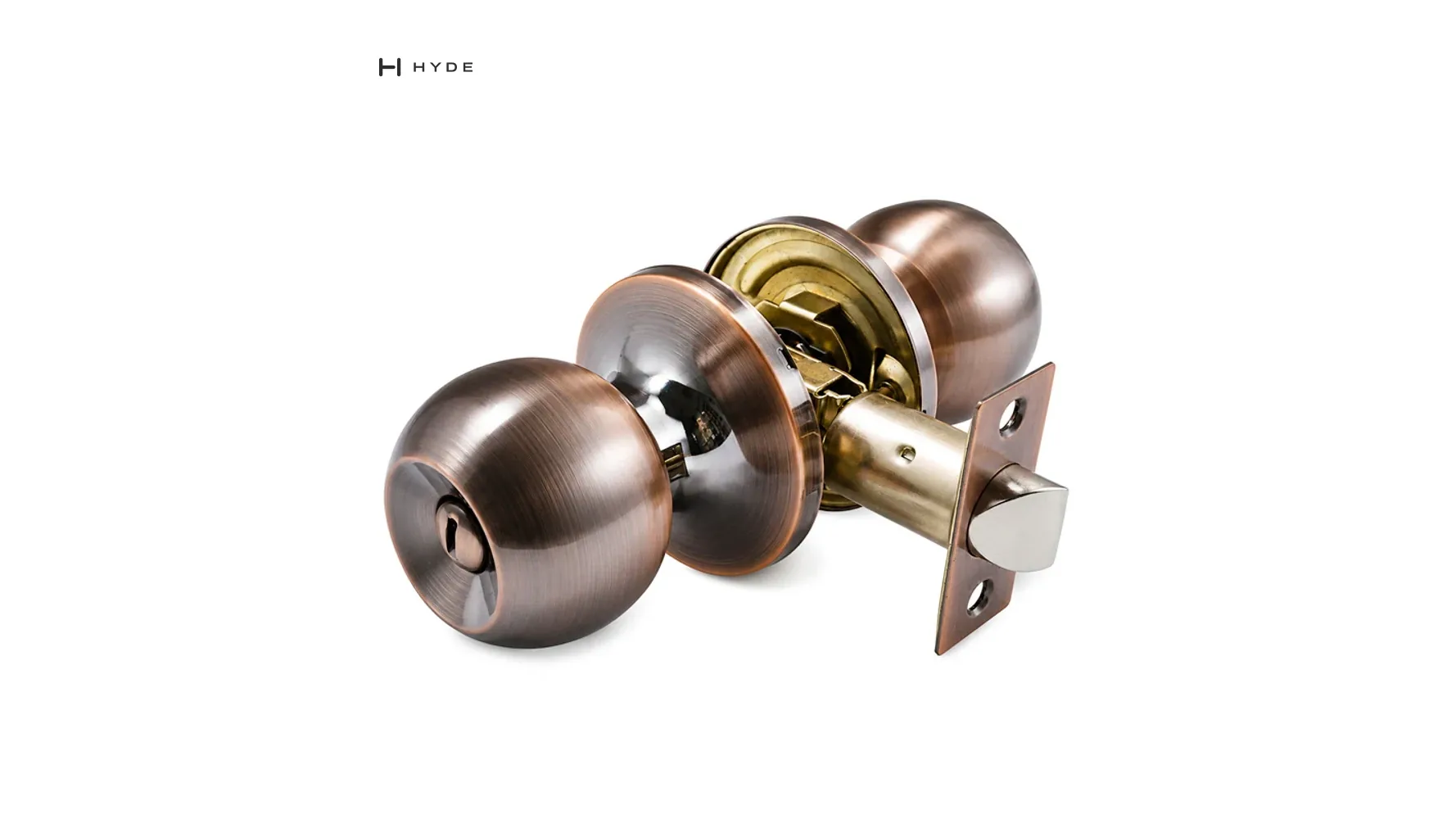
587, 607, 5807, 5870, 592, 598, 575, 578, 9210, 595, 609 y 5831 parecen doce opciones y son casi siempre una misma opción tomada doce veces. Casi todas admiten eje regulable 60/70mm y puerta de 35–45mm, así que la decisión es primero la función y después el chasis, y una de las doce llega a 90mm de eje cuando las demás se paran en 70.
Nota técnica
Recorrido de 25mm y un collarín que gira: cerrojos D101 y D102
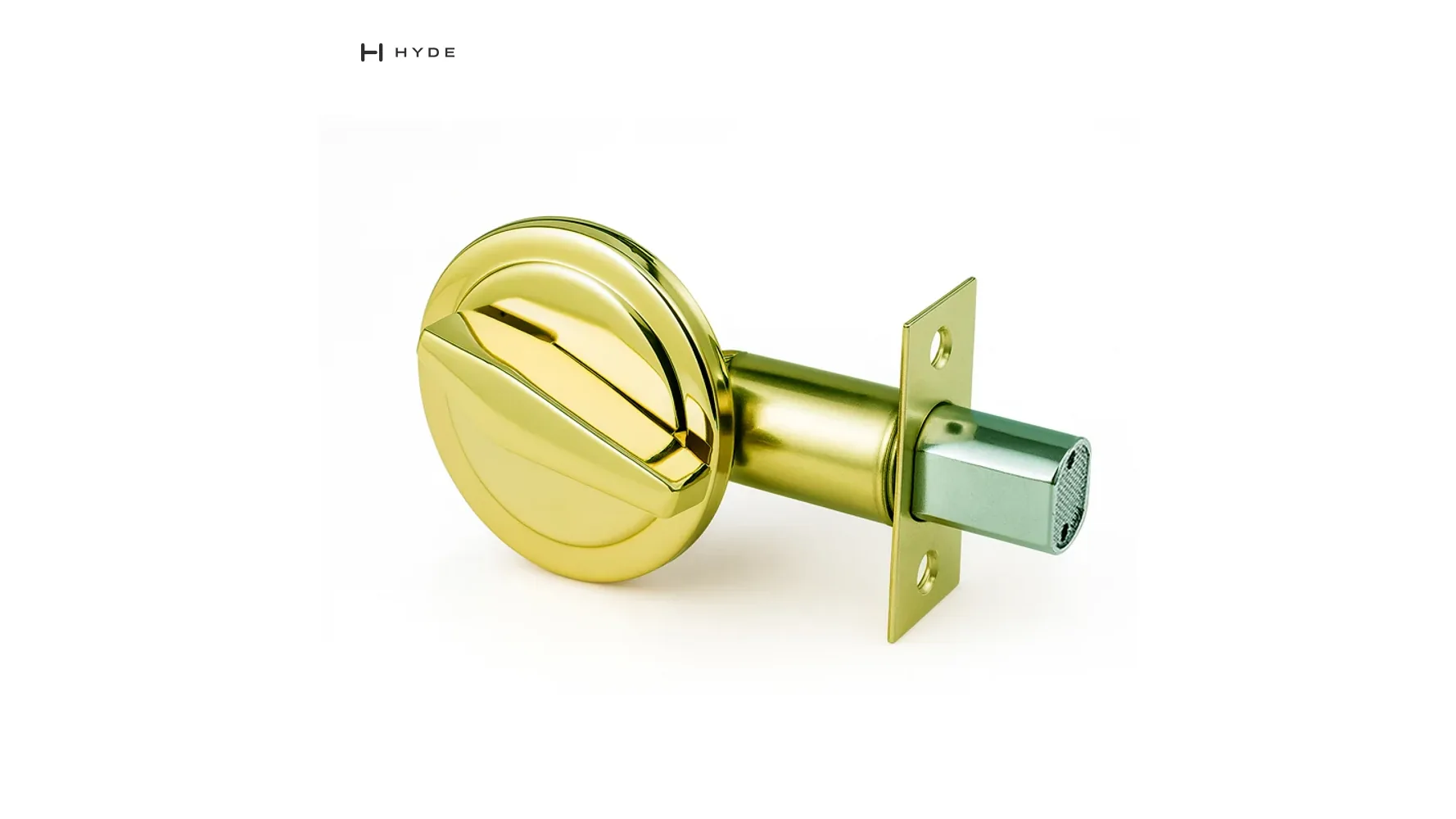
Un cerrojo hace un trabajo que el pestillo de encima no puede: lanza un bulón macizo que ninguna tarjeta ni ninguna pletina mueven. Los nuestros recorren 25mm, en zamak inyectado con pasador de acero templado contra el serrado, sobre cilindro de cinco pitones en latón macizo, y el collarín giratorio es el detalle que más importa y menos se fotografía.
Nota técnica
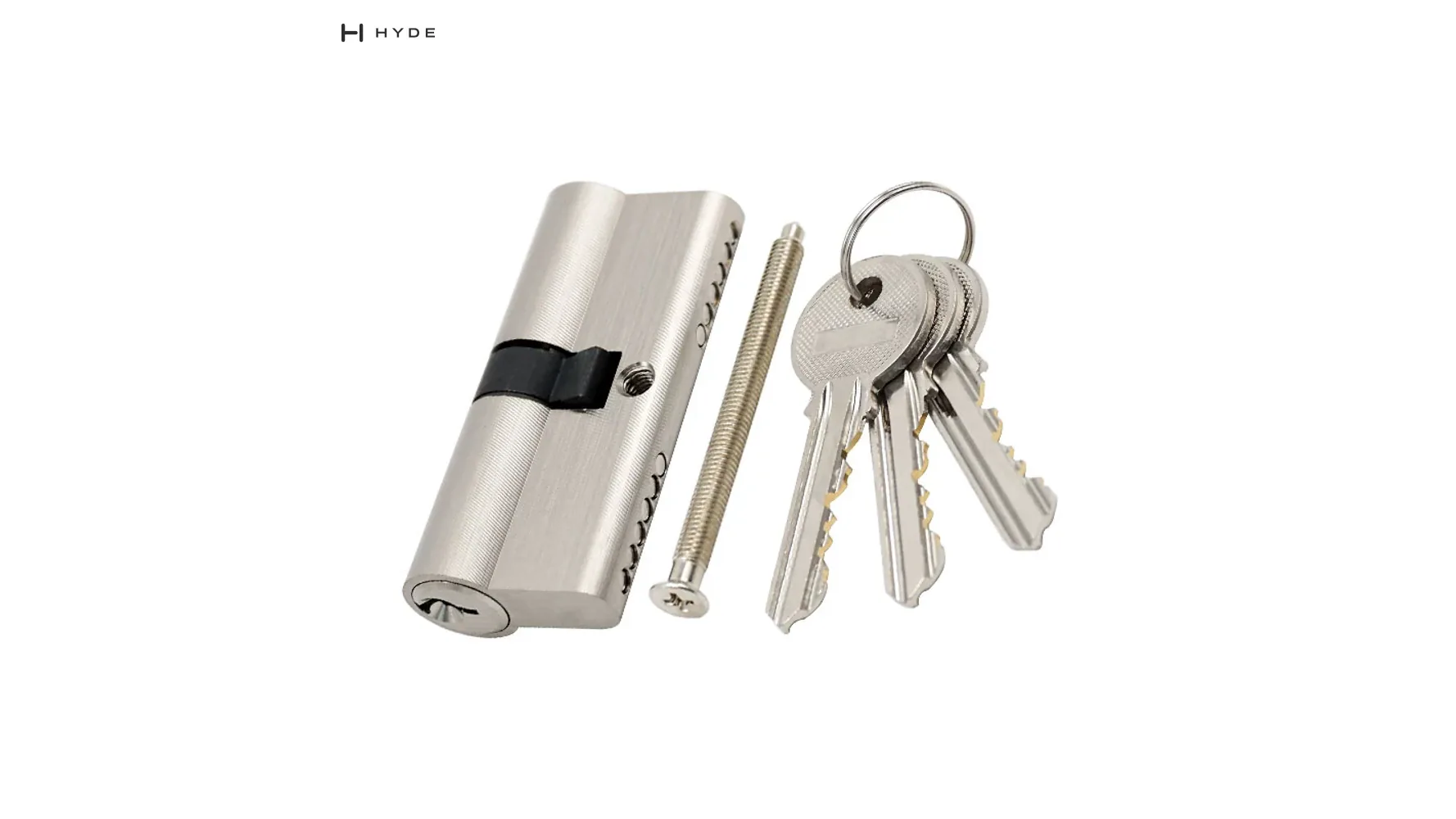
Del 45 al 90: cómo leer nuestra gama de cilindros europeos
En esta gama el número de modelo es la longitud total en milímetros, así que 45, 54, 60, 70, 80 y 90 son seis longitudes y no seis productos. Todos son de latón macizo. Lo que significan las letras que siguen al número está documentado en parte, y este artículo dice qué parte.
Nota técnica
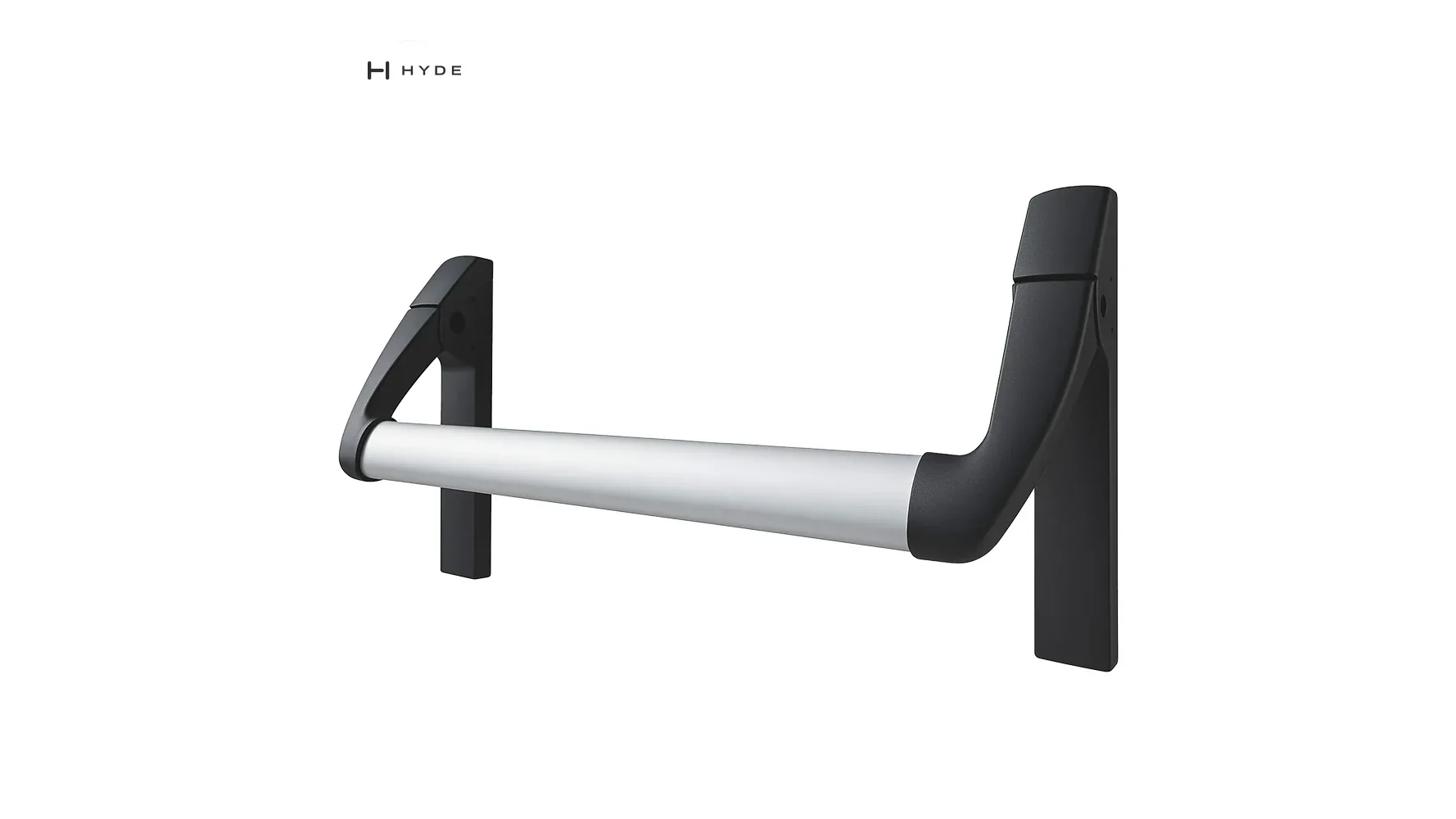
De 650 a 1110mm: qué longitud de barra necesita su puerta
La longitud de barra es la dimensión que más se omite en una consulta de antipánico, y la que no se puede corregir en obra. Nuestras longitudes publicadas son 650, 800, 900, 1000, 1040, 1050 y 1110mm, unas regulables y otras no, y cuál necesita su puerta lo decide el ancho de hoja, no el modelo que le gustó.
Nota técnica
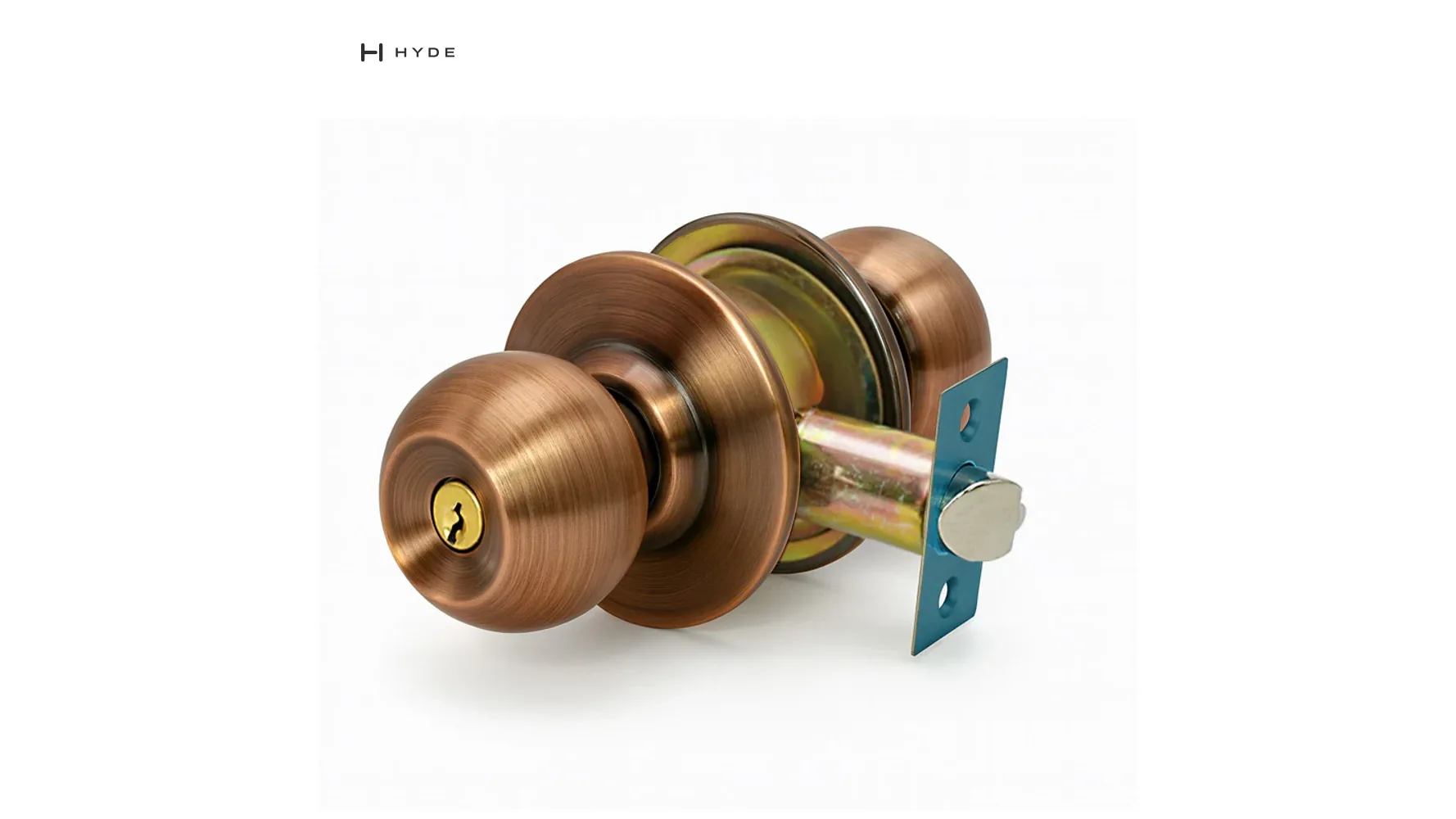
US26D, 626, 630: un código de acabado no es un color
Una especificación norteamericana escribe 626, no «cromo satinado». El número codifica el metal base además del aspecto, de modo que 626 y 652 son el mismo color y productos distintos. De 519 fichas publicadas de Canton Hyland, 77 pueden recibir un número con honestidad; las otras 442 no, y cada una tiene su motivo.
Nota técnica
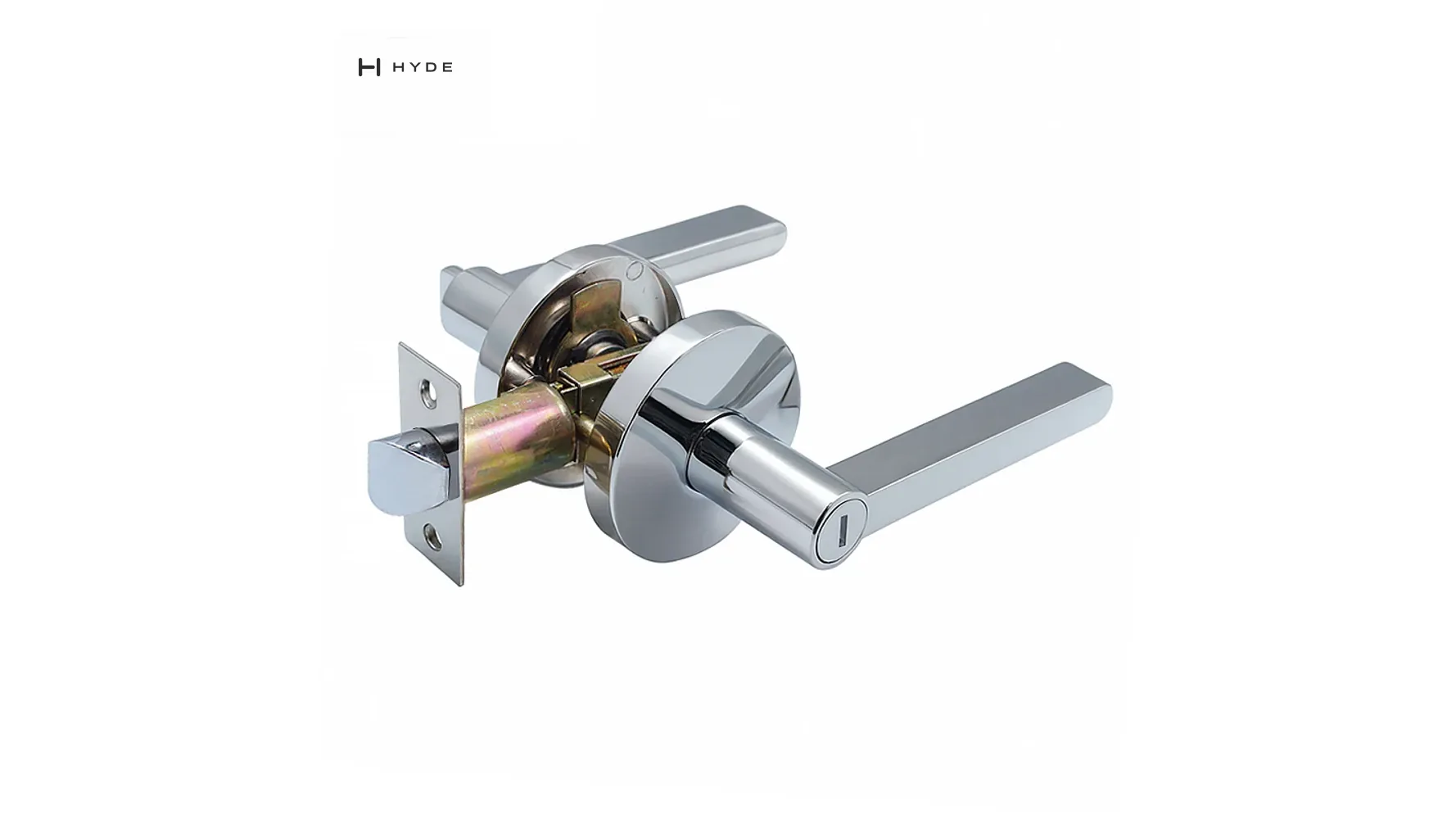
200.000 ciclos: para qué está realmente calificada la gama LH
LH852, LH853, LH855, 808 y 6491 comparten una vida útil publicada de 200.000 maniobras, eje de 60/70mm, espesor de puerta regulable de 35–45mm y un chasis de acero macizo zincado detrás de una manija de zamak. Lo que las separa es el juego de funciones y la forma, y solo una de las cinco ofrece versión ciega.
Nota técnica
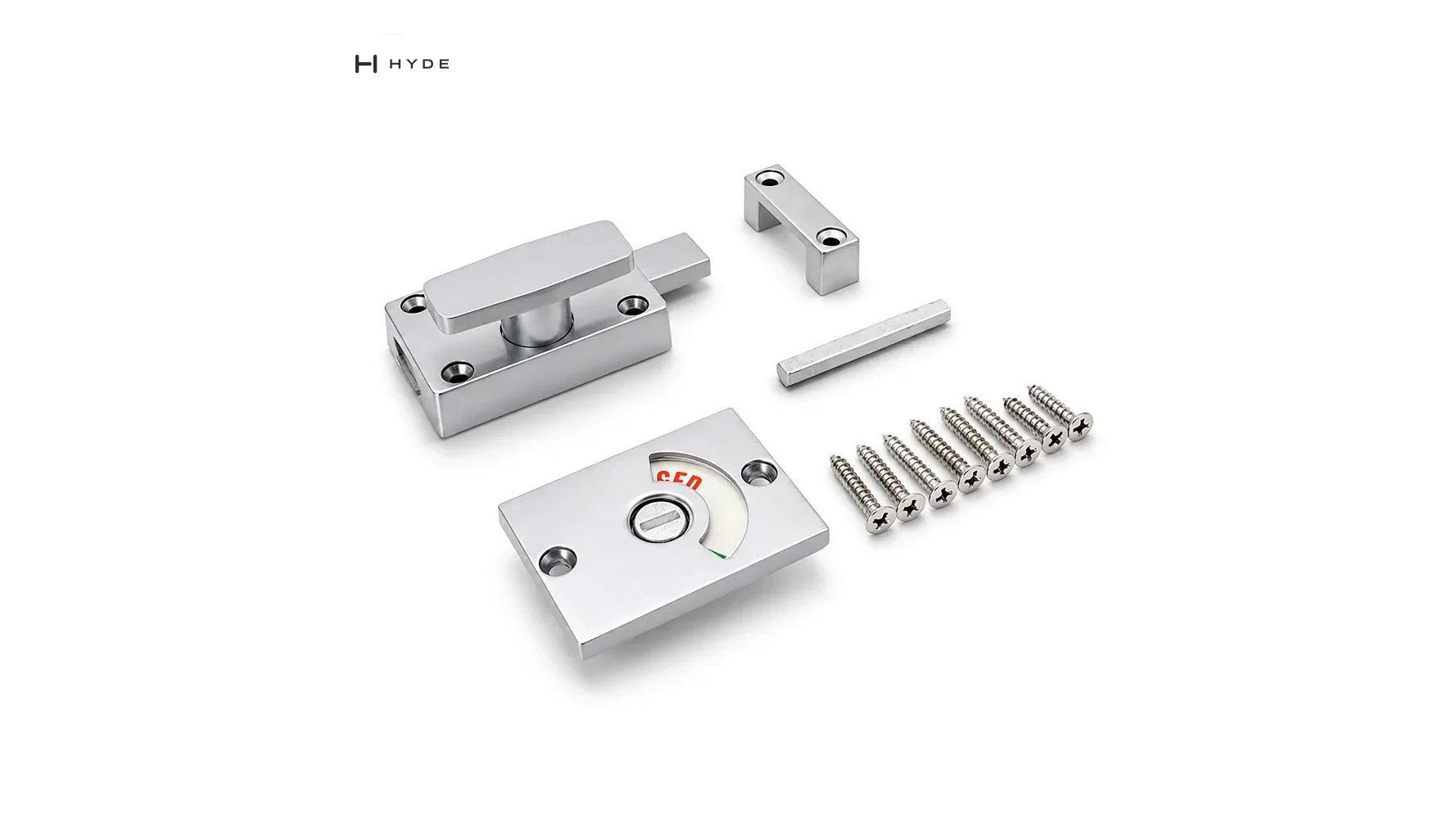
Ocupado o libre: qué tiene que hacer realmente un indicador de baño
Un indicador de baño es cerradura y señal en una sola pieza: tiene que leerse desde la distancia a la que uno está de pie, liberarse desde fuera en una emergencia y aguantar varios cientos de maniobras al día. Nuestros 200 y 400 son de aleación de zinc y nuestro 500 es de acero inoxidable, el indicado para limpiezas agresivas o edificios junto al mar; todos son de sobreponer, así que la puerta no necesita cajeado. No publicamos una cifra de ensayo de ciclos ni el tamaño de la ventanilla, así que pregunte antes de cotizar contra una especificación que pida alguno de los dos.
Nota técnica
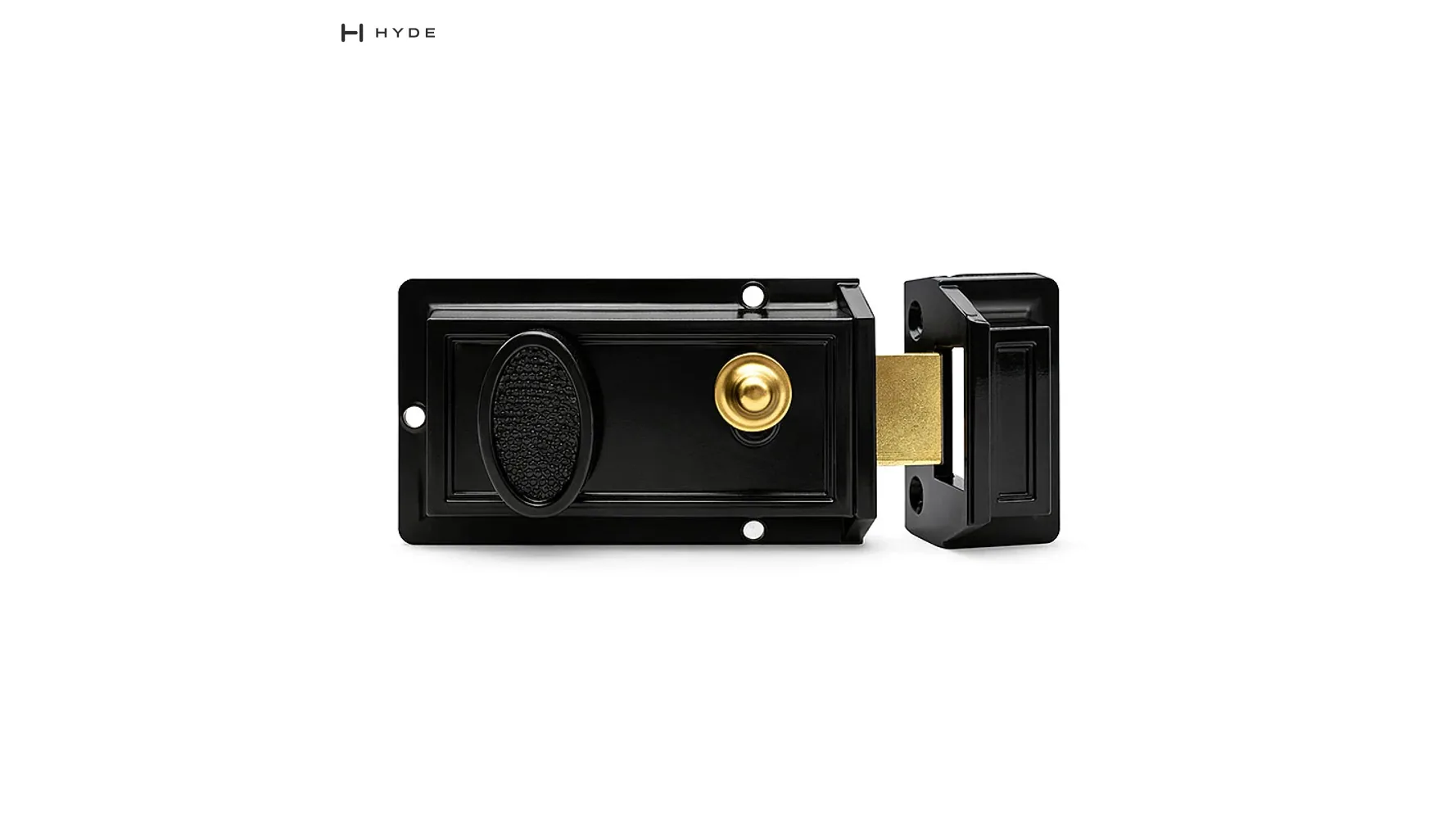
El cerrojo de sobreponer: qué miden realmente el 564 y el 1073
Un cerrojo de sobreponer va sobre la cara de la puerta y no dentro de ella, lo que cambia todas las dimensiones que importan: entrada, espesor de puerta admisible, salida del pestillo y recorrido del cerrojo. El 564 y el 1073 resuelven el mismo trabajo en dos metales distintos, y la diferencia entre una y dos caras es una decisión de seguridad, no de comodidad.
Nota técnica
Longitud, roseta, saliente: las manijas inoxidables de la serie 9000
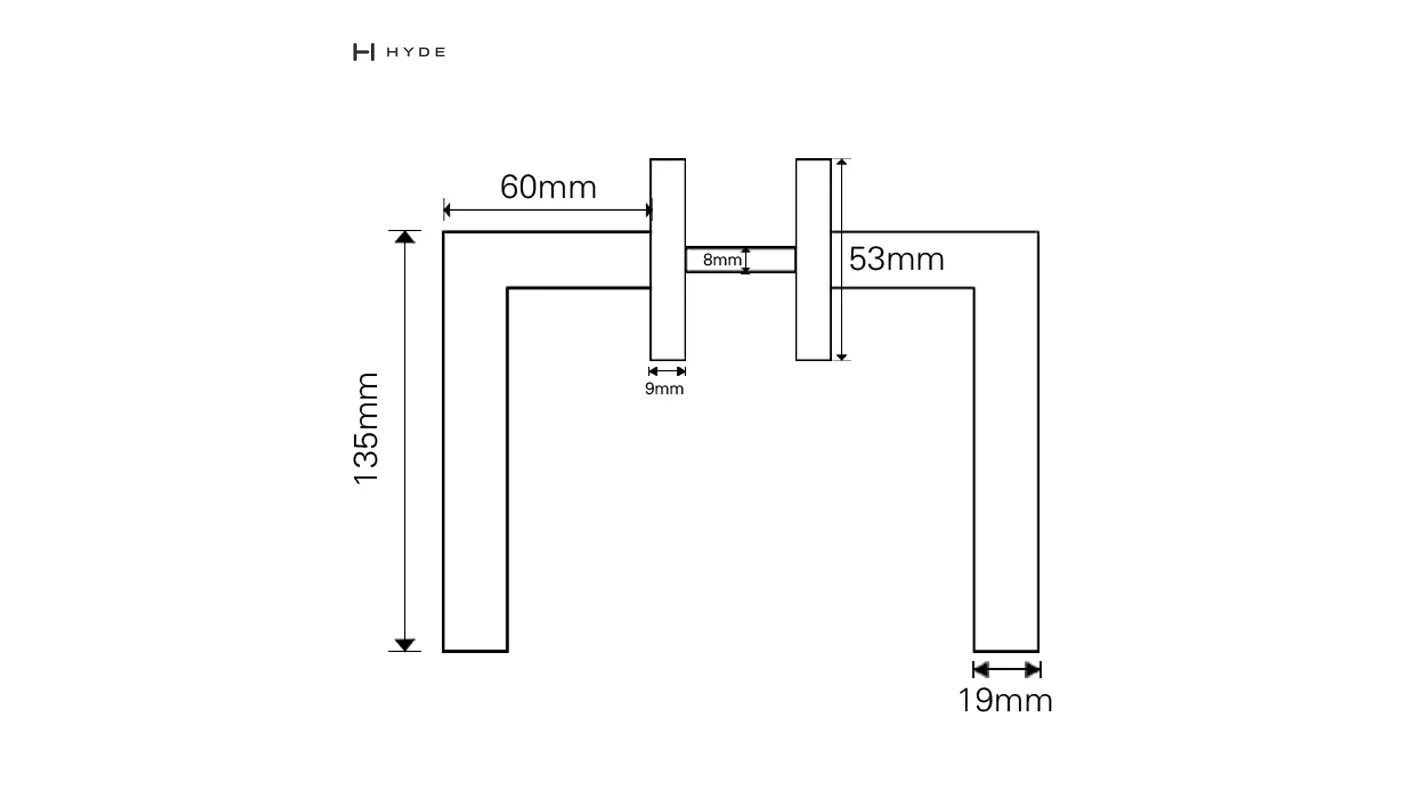
El 9014, el 9007 y el 9008 son juegos de manija inoxidable sobre roseta de 53mm para puerta de 35–50mm. El 9014 publica manija de 135mm, saliente de 60mm y roseta de 9mm; el 9007, manija de 132mm, saliente de 63mm y roseta de 8mm. El 9008 publica seis filas en total, y este artículo lo dice en vez de rellenar el hueco.
Nota técnica
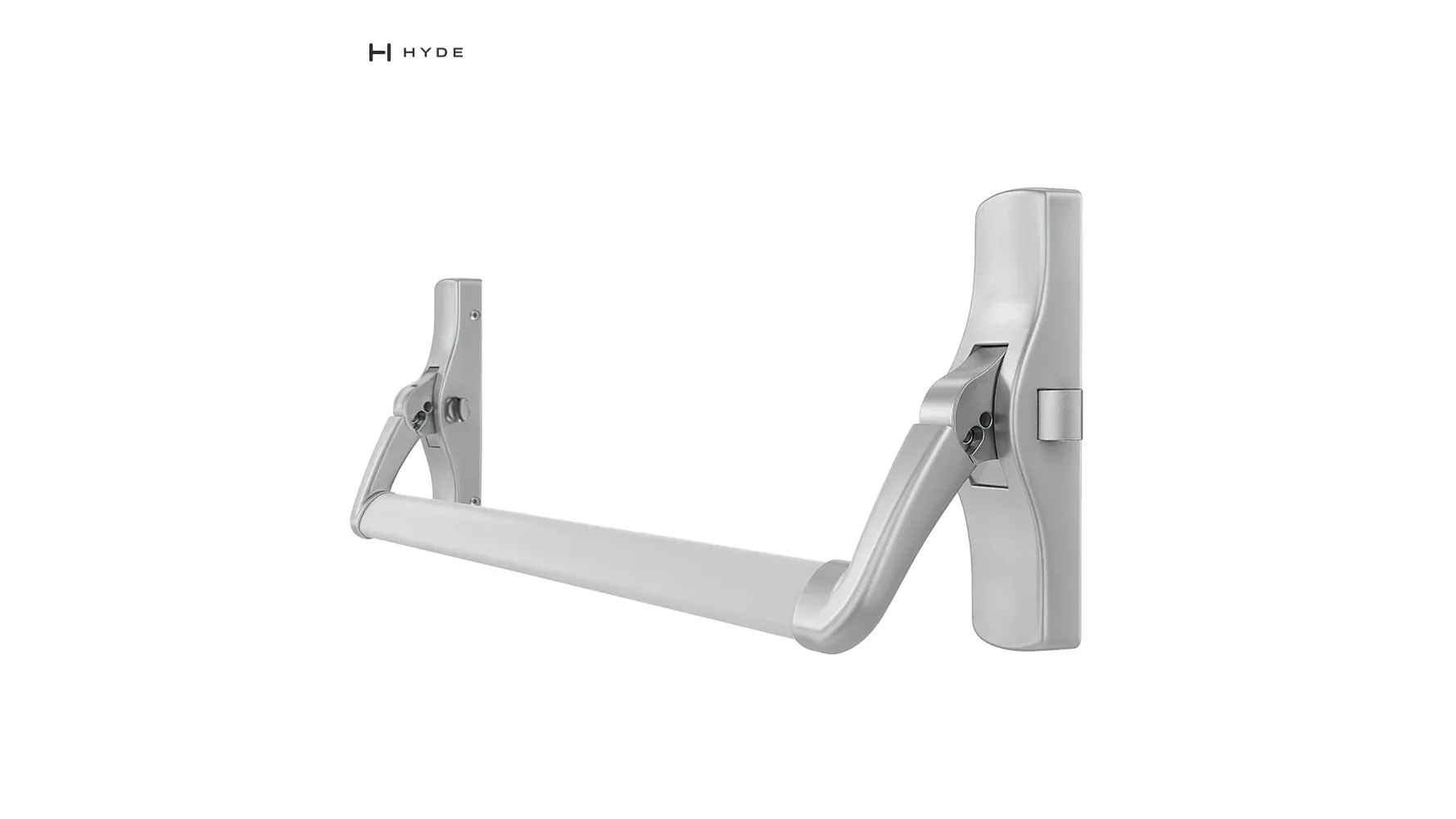
UL 305 es un listado, no un grado
EN 1125 es una norma contra la que se ensaya. ANSI/BHMA A156.3 es una norma que otorga grado 1, 2 o 3. UL 305 no es ninguna de las dos: es la base de un listado, que es una relación continua con un organismo de certificación y no un documento que uno posee. Confundir las tres es como un dispositivo aparentemente conforme acaba rechazado.
Nota técnica
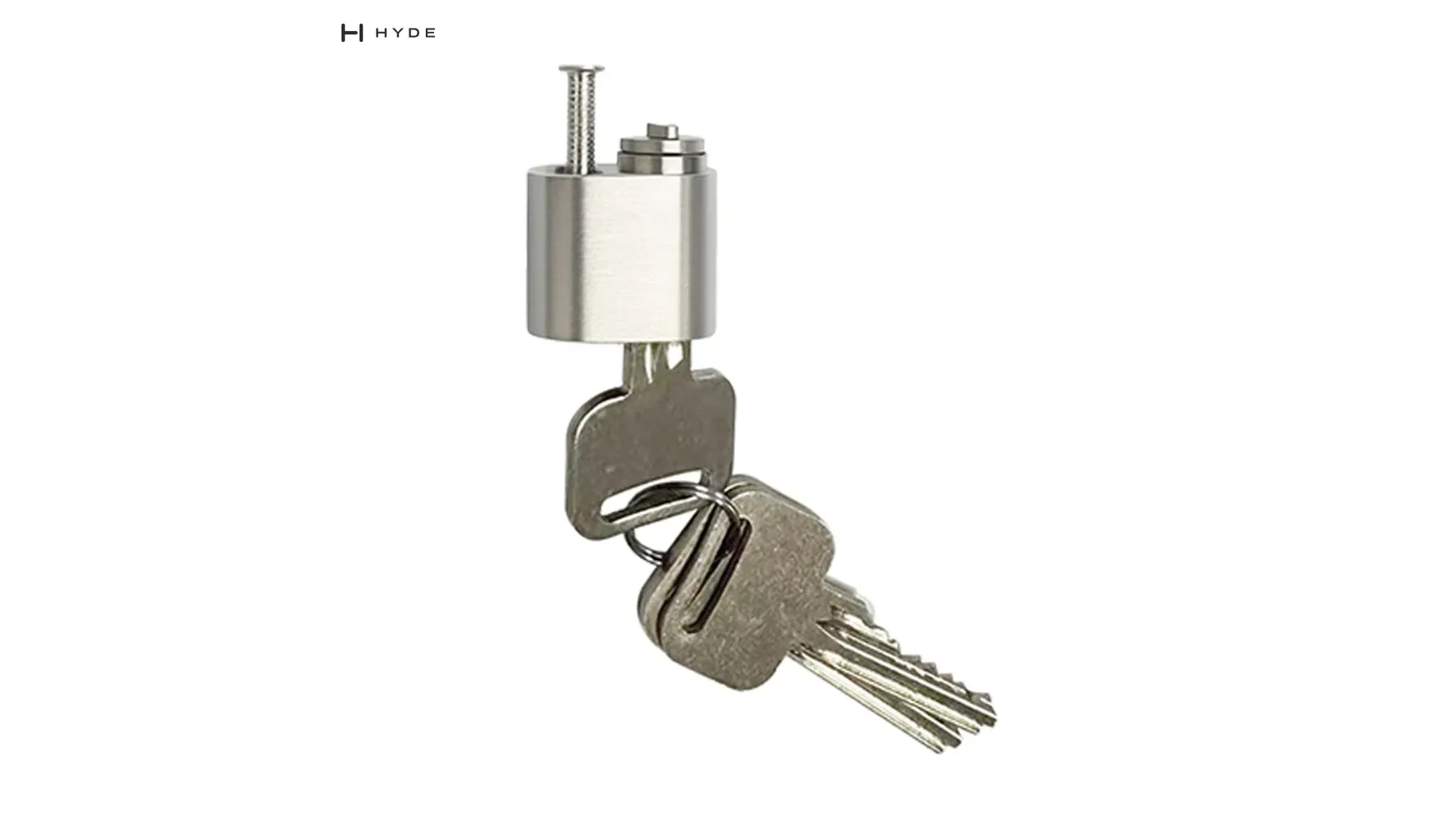
Un candado encadenado a un caballero en Alemania
Nuestro director lo encontró en una calle alemana, encadenado a los tobillos de un caballero de hierro fundido a la puerta de un hotel, y lo fotografió porque cuanto más antigua es una cosa, más atrae. No podemos decirle quién lo hizo ni cuándo: el óxido borra justo las pruebas que responderían a eso. Sí podemos decirle qué sigue legible en el metal, que es más de lo que parece, y por qué no vamos a inventarnos el resto.
Nota técnica
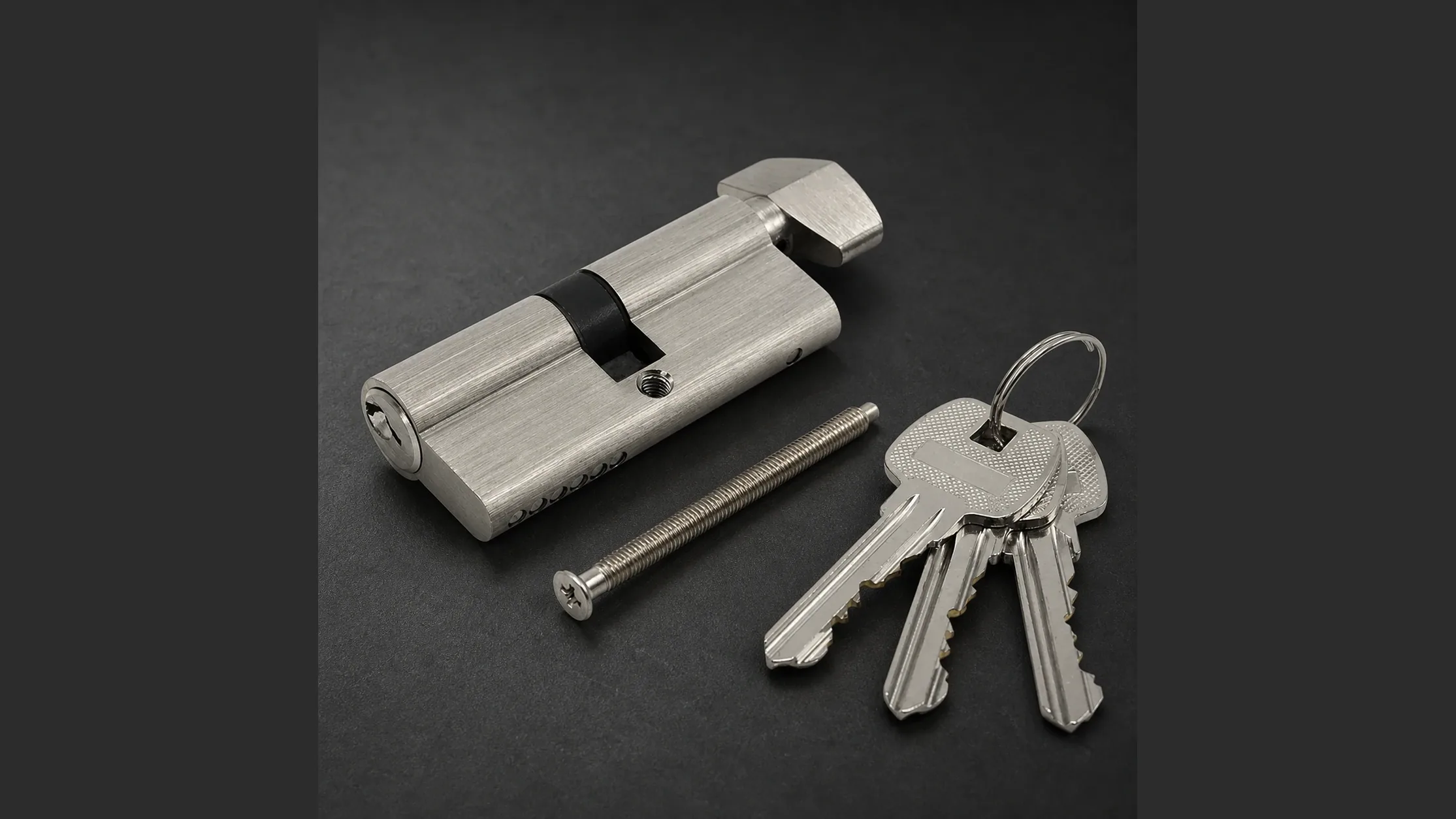
Montar un cilindro europeo: cinco pasos, y los dos que todo el mundo se salta
Un cilindro europeo entra y sale a través de la caja de la cerradura, sujeto por un solo tornillo, y el trabajo lleva dos minutos en cuanto el cilindro tiene la longitud correcta. Casi todo montaje fallido es una de dos cosas: no se giró la leva antes de empujarlo, o nadie probó la llave con la puerta cerrada.
Nota técnica
Por qué una puerta cortafuego de dos hojas necesita un selector de cierre, y cómo dimensionarlo
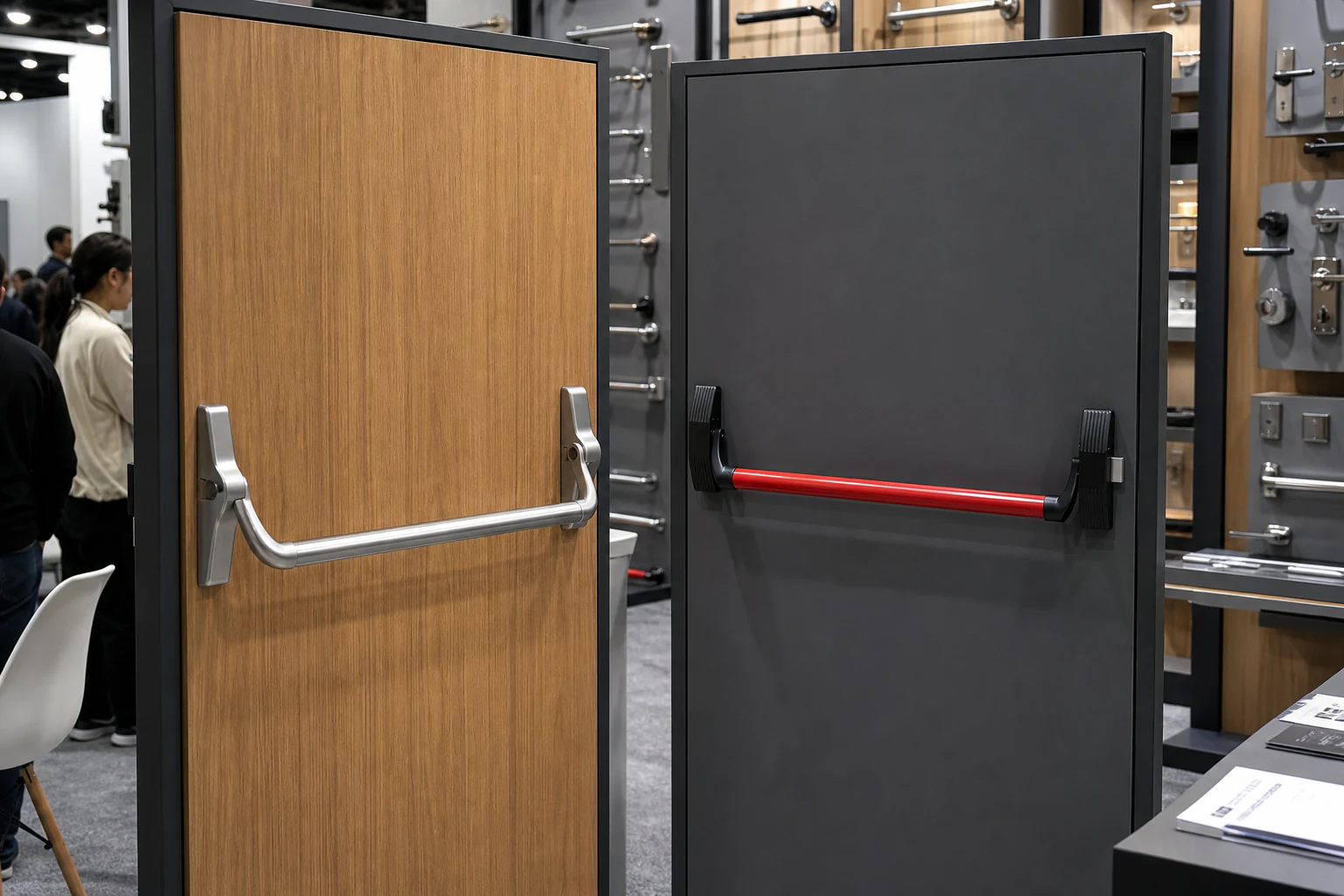
Un par de puertas cortafuego con dos cierrapuertas se cierra en el orden que decidan los muelles; si la hoja activa llega primero, el batiente la deja abierta y la puerta no acuña. Un coordinador obliga a la hoja pasiva a cerrar primero, y solo funciona cuando coinciden el peso de las hojas, el cierrapuertas de cada hoja y el rango del propio coordinador. Nuestro DC02 llega a 100 kg, pero nuestro cierrapuertas más fuerte se queda en 85 kg, así que por encima de 85 kg hoy no ofrecemos cierrapuertas.
Nota técnica
Bajo qué norma está realmente su proyecto
EN 1125 y ANSI/BHMA A156.3 no son dos grados de lo mismo. Proceden de códigos de edificación distintos, miden fallos distintos, y un dispositivo fabricado según una no es automáticamente admisible bajo la otra. La norma la decide dónde está la puerta, no lo que usted prefiera.
Nota técnica
Cuántos niveles necesita realmente su amaestramiento
Fabricamos amaestramientos de hasta 5 niveles, de la llave maestra general a la llave individual, y la mayoría de los edificios necesita 3: cada nivel de más gasta combinaciones de llave que el edificio puede necesitar después. Este artículo da la tabla de niveles, un ejemplo resuelto para una oficina de 4 plantas con 36 cilindros (la gran maestra abre los 36, la maestra de mantenimiento 8, la submaestra de limpieza 3) y una planilla en blanco para imprimir y completar.
Nota técnica
Encontrar el equivalente de una cerradura que ya compra
Para volver a pedir la cerradura de otro fabricante, haga coincidir 6 medidas, no el número de modelo. En una cerradura de embutir son la entrada, la distancia entre centros, el largo y el ancho del frente, el alto y el fondo de la caja, el cuadradillo (casi siempre de 8 mm) y el rango de espesor de puerta. Nuestra LC07 85×45mm, por ejemplo, tiene 85 mm de distancia entre centros y 45 mm de entrada. Los nombres de acabado y las etiquetas de grado no se trasladan entre fábricas; las medidas sí.
Nota técnica
DS013 y DS011 no son lo mismo
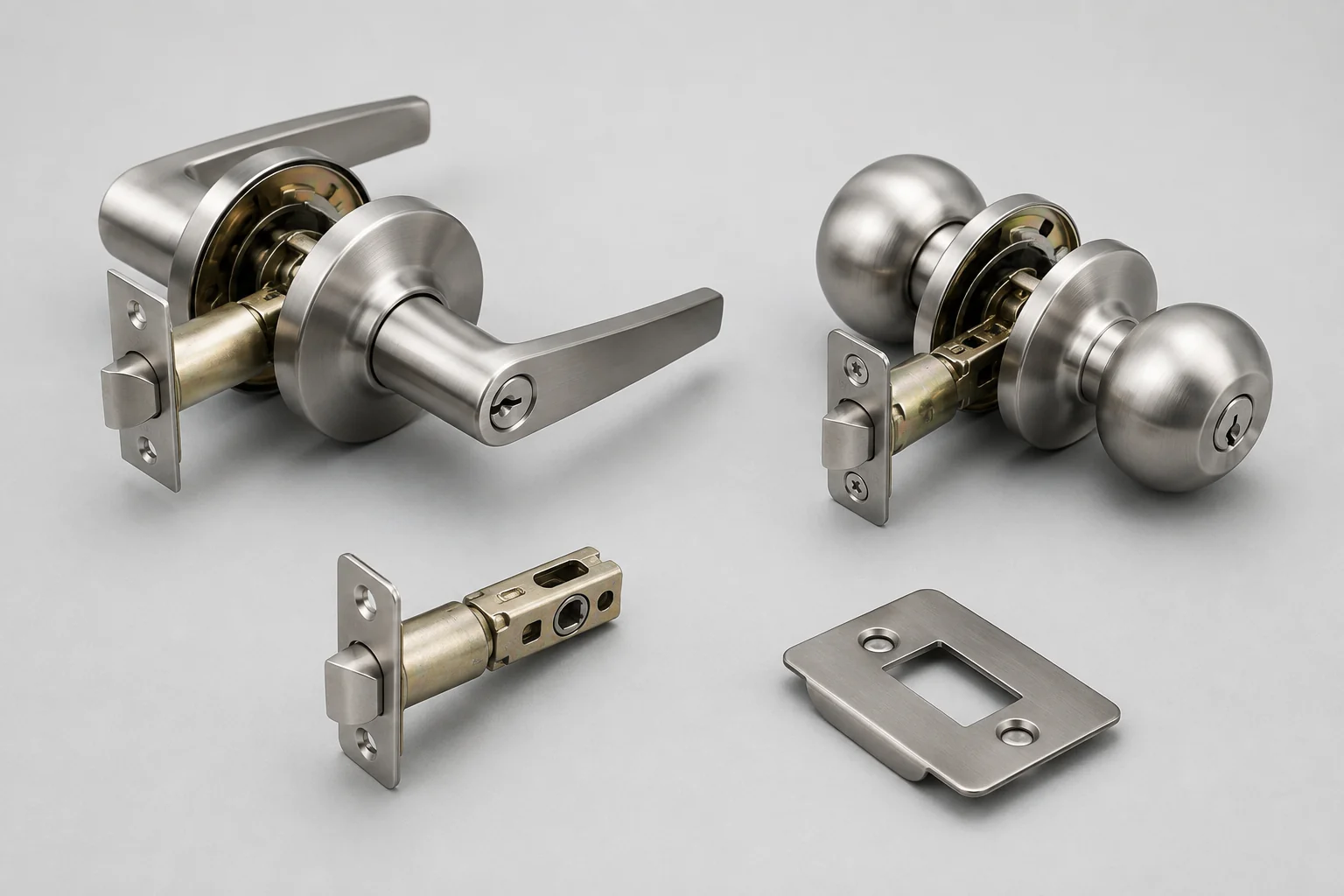
Alguien buscó «door stopper ds013 vs ds011» y llegó hasta nosotros. Es una duda razonable, y la respuesta es que sólo uno de los dos es un tope de puerta: el DS011 es un pasador embutido, que hace justo lo contrario. Así se distinguen tres artículos que se confunden a menudo, antes de que entren en el pedido.
Nota técnica
Fichas, CAD y BIM: qué tenemos y qué no
Lo que tenemos hoy: especificaciones en tabla en cada ficha de producto, planos acotados de algunos modelos y un catálogo PDF vigente. Los documentos de ensayo se envían a petición, para el modelo exacto que cubren. No hay biblioteca BIM (ni familias de Revit ni objetos IFC) ni planos publicados de preparación de puertas; para una plantilla de mecanizado, pida un plano aprobado del modelo exacto. Pida por número de modelo en la configuración que compra: un plano de la versión de 60 mm de entrada no es un plano de la de 45 mm.
Nota técnica
70 es el total, no el reparto
El número de 70SN es la longitud total del cilindro en milímetros. No dice nada sobre cómo se reparten esos 70 mm a cada lado de la leva, y ese reparto es lo que decide si la llave gira una vez colgada la puerta.
Nota técnica
Un informe de ensayo cubre un modelo, no una gama
Nuestro informe EN 1125 cubre un dispositivo: KD070/30-290. Nuestro informe de durabilidad cubre una cerradura: 607 SS ET. Ninguno cubre la familia a la que pertenece, y un proveedor que le deje creer lo contrario le ha entregado un problema que aparece en la recepción de obra.
Nota técnica
Qué cambia realmente el OEM, y qué no
Poner su marca en una cerradura son 4 decisiones distintas: embalaje y marcado, marca en la propia pieza, acabado, y la pieza en sí. Solo la cuarta necesita un molde. Este artículo enumera qué enviar para cada una de las 4 para que la primera respuesta sea una respuesta de verdad.
Nota técnica
Mano de la puerta: la respuesta de una letra que retrasa los pedidos
Izquierda, derecha o universal es un solo carácter en una línea de pedido y el motivo más común de que una cotización vuelva para aclaración. La deciden dónde están las bisagras y hacia dónde abre la hoja, y las dos convenciones en uso se contradicen.
Nota técnica
Los seis datos que un pedido de herrajes realmente necesita
La mayoría de las consultas llegan con un número de modelo y una cantidad, y la mayoría vuelven con una pregunta. Seis datos deciden si una pieza se puede instalar, y una consulta que los lleva todos se cotiza el mismo día.
Nota técnica
Guarnición exterior o barra antipánico: qué necesita el exterior de una puerta de emergencia
La barra antipánico abre la puerta desde dentro. No hace nada por quien está fuera. La pieza que le permite entrar es otra línea del pedido, y confundirlas es la forma más común de que una planilla de puertas de emergencia llegue incompleto.
Nota técnica
ANSI Grade 1 o EN 1125: qué norma tiene que cumplir su dispositivo antipánico
No son dos grados de lo mismo. ANSI/BHMA A156.3 califica un dispositivo por ciclos y fuerza; EN 1125 ensaya si una multitud en pánico consigue salir. Cuál necesita lo decide el país donde está el edificio, no cuál suena más exigente.
Nota técnica
Por qué descuelgan las puertas de aluminio, y qué tiene que ver la cerradura
Una puerta de aluminio de perfil estrecho que ya no engancha casi nunca tiene la cerradura rota: la hoja ha descolgado unos milímetros en el canto opuesto. En un perfil de solo 30 a 50 mm de ancho, primero se desgasta el lado de las bisagras o del pivote, después se abren las uniones de las esquinas del marco, y en tercer lugar lo acusa el pestillo, porque entra en un cerradero con quizá 2 mm de tolerancia. Solo la caja de la cerradura es una decisión de herraje: nuestras cajas para perfil estrecho van con entradas de 30, 40 y 45 mm.
Nota técnica
Barra de empuje o barra de presión: cuál necesita su puerta
Una barra de empuje pivota y recorre; una barra de presión se hunde a ras de su propio alojamiento. Cuestan distinto, fallan distinto, y solo una de las dos sobrevive a un pasillo por el que pasan carros. Canton Hyland fabrica el tipo de barra de empuje en los 42 dispositivos de la gama.
Nota técnica
304, 201 o 316: qué acero inoxidable está comprando realmente
Tres grados idénticos en una fotografía, con costos muy distintos, que no se comportan igual a la vista del mar. El 201 sustituye níquel por manganeso y se oxida donde el 304 no; el 316 añade molibdeno y aguanta donde el 304 se pica. Así se distingue cuál le han cotizado.
Nota técnica
Qué necesita realmente una puerta de vidrio sin marco
Una puerta de vidrio sin marco no es un producto, es un conjunto de seis o siete piezas pedidas en tres categorías distintas. Los compradores cotizan el tirador, olvidan el pivote de piso, y descubren el herraje de montante en obra. Esta es la lista completa, en el orden en que se olvida.
Nota técnica
La planilla de puertas: cómo se especifican realmente los herrajes
Las obras compran tipos de puerta, no cerraduras: una planilla dice 30 del juego HW-01 y 90 del HW-02, y cada línea de un juego tiene que coincidir con las demás. Una caja con 85 mm de distancia entre ejes necesita manijas taladradas a 85 mm y un cilindro a la medida de la hoja. Este artículo lee una planilla como lo hace un comprador de obra, con un juego resuelto (HW-02: una caja de perfil europeo de 85 × 60 mm, las cotas que publica nuestra LC04), antes de cotizar contra ella.
Nota técnica
Entrada y distancia entre ejes: cómo leer el número de una caja de cerradura de embutir
Dos cifras deciden si una caja de cerradura encaja en la puerta, y van impresas en el número de modelo: LC08 85×55 son 85 mm de distancia entre ejes con 55 mm de entrada. 85 mm es la distancia entre ejes estándar de las cerraduras de cilindro de perfil europeo; la variación está en la entrada, desde cajas de 16 mm para perfiles estrechos de aluminio hacia arriba. Equivocarse en cualquiera de las dos es la razón más común por la que un contenedor de herrajes no se puede instalar.
Nota técnica
Qué significan las letras después de un número de modelo
607 PB, 607 AB, 607 SN y 607 BN son la misma cerradura en cuatro acabados. Las letras son un código de acabado y un código de función, se leen de derecha a izquierda, y en cuanto sabe leerlas una lista de cuatrocientas líneas se reduce a unos sesenta productos.