
ANSI Grade 1 or EN 1125: Which Standard Your Exit Device Has to Meet
They are not two grades of the same thing. ANSI/BHMA A156.3 rates an exit device by cycles and force; EN 1125 tests whether a panicking crowd can get out. Which one you need is decided by the country your building is in, not by which sounds stronger.

Johnson LiuDigital Communications, Canton HylandMA Digital Media, Johns Hopkins University
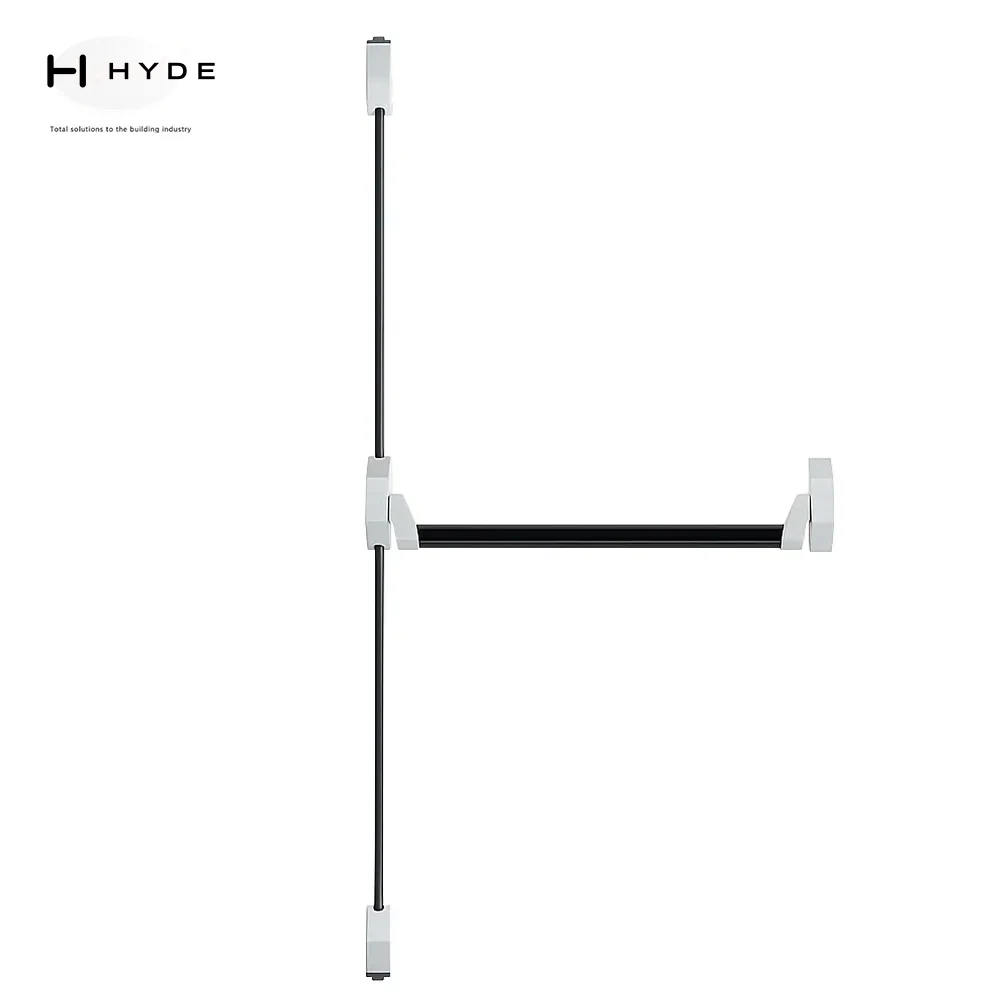
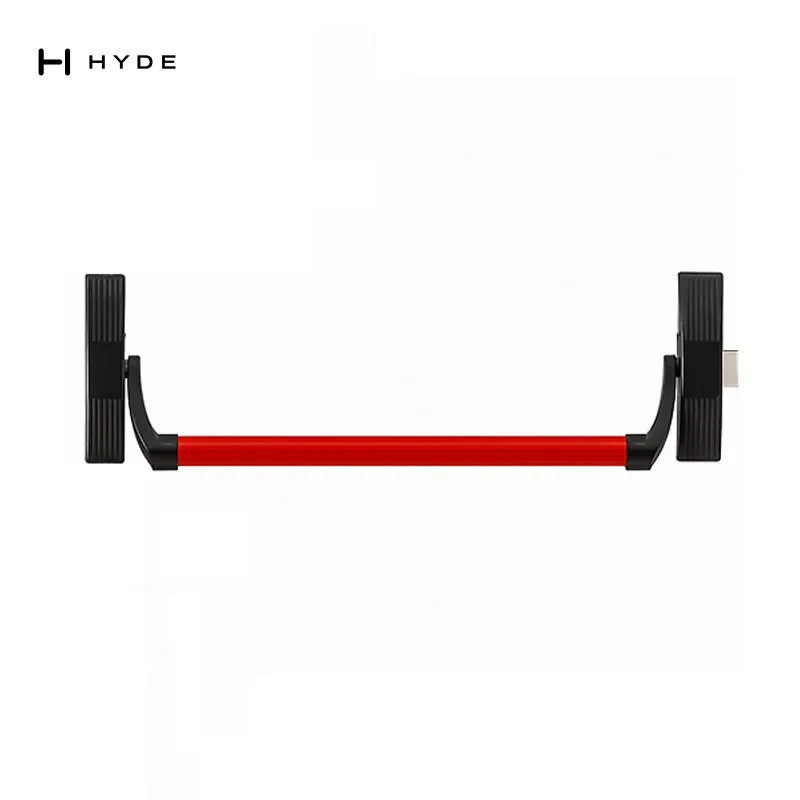
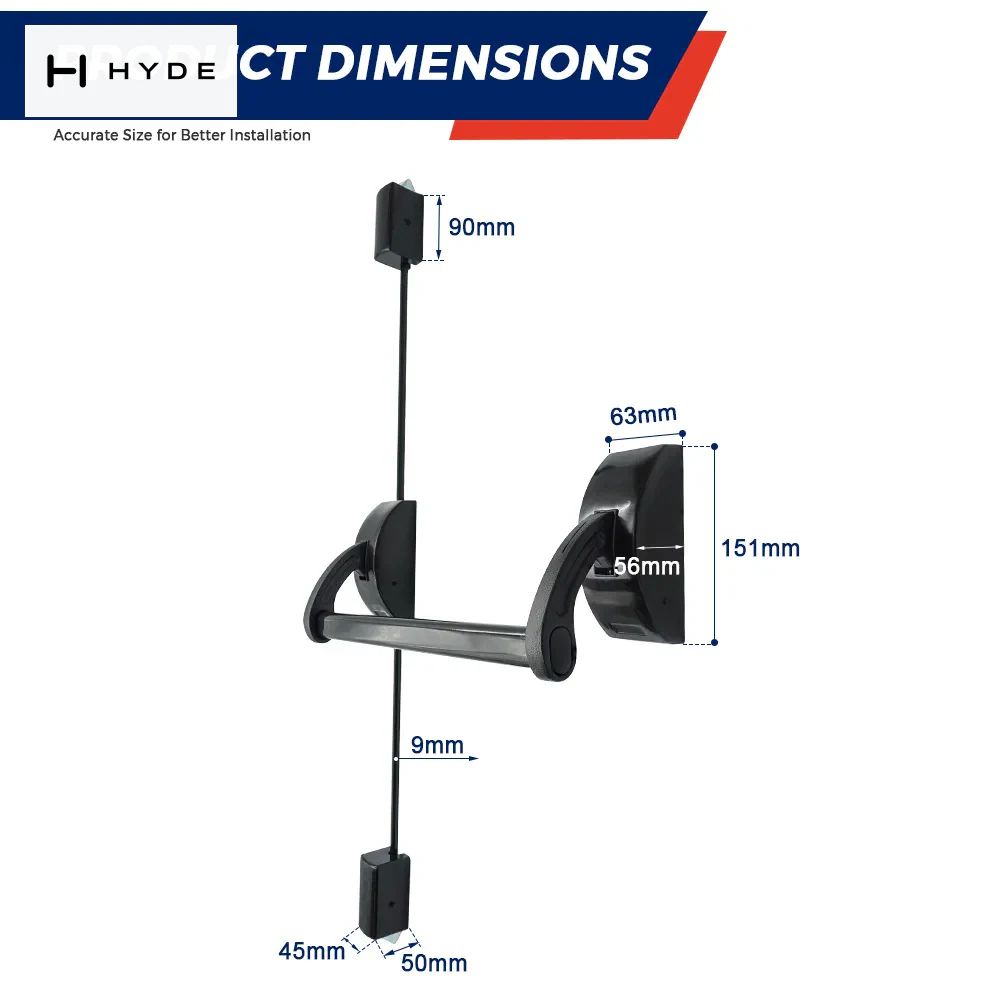
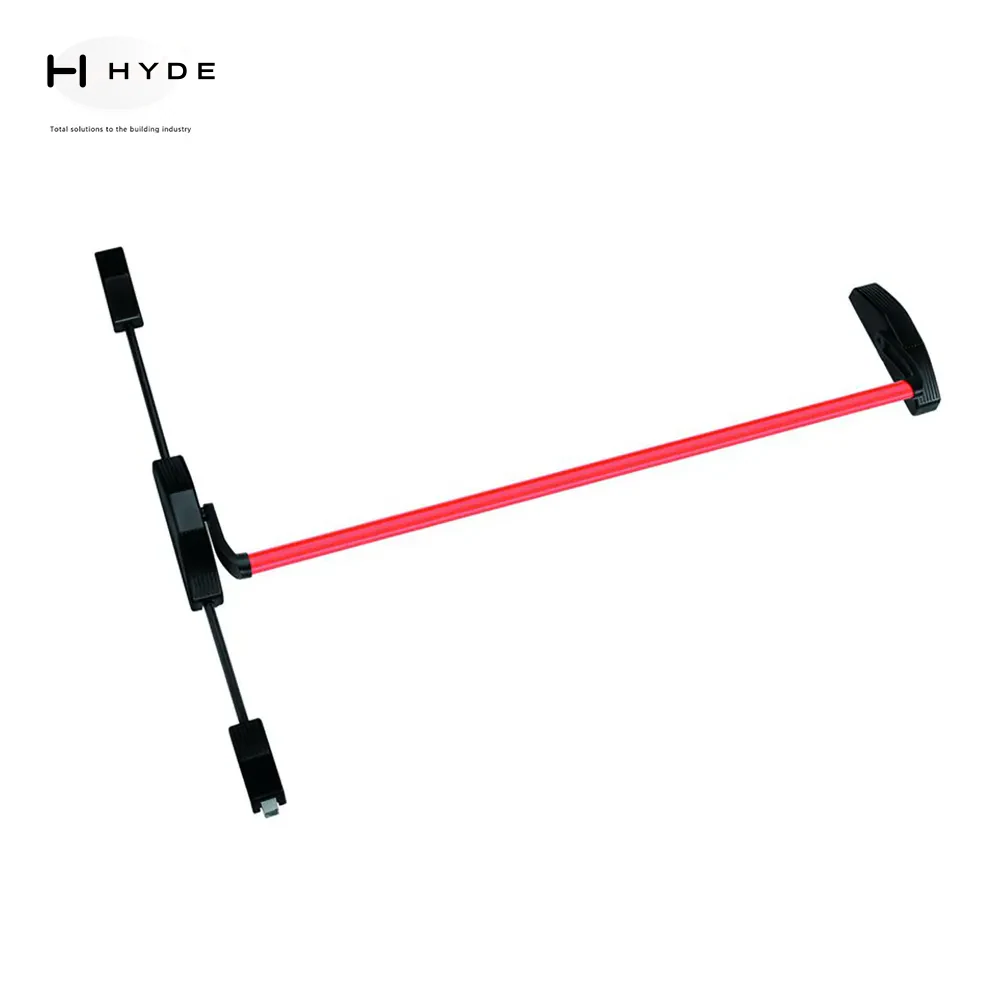

A buyer comparing exit devices across two catalogs will see "ANSI Grade 1" on one and "EN 1125 certified" on the other and reasonably assume these are two ways of saying the same thing, one of which is better. They are not comparable at all. They are two regulatory worlds that test different properties for different reasons, and the question is never which is higher, it is which one the authority having jurisdiction over your building will accept.
ANSI/BHMA A156.3 is the American standard for exit devices, and it grades them 1, 2 or 3 by durability. Grade 1 is the heavy-duty tier: it survives the most operating cycles and the highest static and dynamic loads. The grade is fundamentally a statement about how long the device will keep working under abuse, which is why an American specifier writes Grade 1 for a school corridor and accepts Grade 2 for a back-of-house door that four people use a day. In the United States the fire-safety requirement itself comes from a separate document (NFPA 101 or the IBC) and the device also has to be listed for fire doors, usually by UL, if the opening is rated.
EN 1125 asks a different question entirely. It is the European standard for panic exit devices, and its subject is a crowd that does not know the building, in the dark, pushing. The test that defines it applies force to the bar and asks whether the door releases; the device must open with a single motion, from any point along the bar, without prior knowledge of how it works. That is why EN 1125 devices are horizontal bars rather than knobs or levers, the standard is written around the behavior of a body moving at speed, not around a hand.
The EN 1125 classification code, and the digits that decide a purchase
An EN 1125 certificate does not say "certified" and stop. It carries a ten-digit classification code, and each digit records a separate property that was tested. A buyer who reads three of those digits will catch most of the mismatches that reach site.
Durability: EN 1125 sets this as a graded cycle count: grade 6 is 100,000 cycles and grade 7 is 200,000. On a school or a stadium concourse this is the digit to read first, because it is the one that separates a device that survives the building from a device that survives the handover.
Door mass: also graded, and it is the digit most often ignored on a glazed or steel leaf: grade 5 covers doors up to 100kg, grade 6 up to 200kg, grade 7 above 200kg. A device rated for a 100kg leaf on a 180kg steel fire door is uncertified in that position no matter what the front of the certificate says.
Suitability for fire and smoke doors: a separate digit again, and not implied by any of the others. A device can be fully EN 1125 compliant and carry no fire-door approval at all, the two are tested under different regimes and a fire opening needs both.
Type of operation: this digit distinguishes the push bar from the push pad, and it is a specification decision rather than a style one. We have a whole article on which to choose and why the choice changes with door width; the relevant point here is that the code records which one was tested, and a report for one does not cover the other.
Two more digits describe the projection of the bar into the doorway and the corrosion regime it was tested to, worth checking on a narrow corridor and on a coastal building respectively.
We are naming the digits that decide a purchase rather than reproducing the standard. The report is the authority, and reading it against the specific project is a five-minute job that belongs to whoever signs the schedule.
The distinction that catches buyers out is the one between EN 1125 and EN 179. Both are European, both cover escape hardware, and they are not interchangeable. EN 1125 is for panic situations: public buildings where the occupants are strangers to the layout, cinemas, shopping centers, schools, stadiums. EN 179 is for emergency situations: buildings where the occupants know the exits, such as offices and staff-only areas, and where a lever handle or a push pad is acceptable because nobody will be pressing against the door in a crowd. Specifying EN 179 hardware on a public assembly door is a compliance failure even though the hardware is certified, because it is certified for the wrong situation.
So the selection rule is short. If the project is in the United States, Canada or a market that follows the American model, you need ANSI/BHMA A156.3 at the grade the specification calls for, plus a UL fire listing if the door is rated. If the project is in Europe, the United Kingdom, or one of the many markets (much of Latin America, the Gulf, parts of Africa and Asia) that have adopted the European standards, you need EN 1125 for public buildings and EN 179 where the occupants are familiar with the exits. Nothing about the mechanism changes the answer; the country does.
"EN 1125 certified" is not a specification
It is a claim, and it is the line that produces most of the arguments at inspection. A specification is the claim plus the four things that make it checkable against what arrives in the crate.
The standard and the operation type: EN 1125 or EN 179, and push bar or push pad. This decides the hardware category before anything else does, and it follows from who uses the building rather than from what looks better on the drawing.
The two graded digits that the building imposes: durability for the traffic, door mass for the leaf. Both are project facts the specifier already knows and the supplier cannot guess, a 200kg steel leaf is not something anybody infers from a model number.
The fire route, stated separately: if the opening is rated, say so and say what evidence is required: the device's own suitability for fire and smoke doors, and the rating of the assembly it sits in. These are two documents, not one, and asking for them together at tender is cheaper than discovering at handover that only one exists.
The exact model, in the exact configuration: model number, outside trim, latch, and any strike or coordinator it works with. Per the point above about tested assemblies, this is the line that makes the certificate mean something: a report against a model you did not order proves nothing about the one you did.
Written out, that is one line in a schedule rather than a page. Something close to: EN 1125 panic exit device, push bar, durability grade 7, door mass grade 6, suitable for fire and smoke doors, model and trim as scheduled, certificate to be supplied against the model number on the order.
A supplier who can answer that line has a product. A supplier who answers it with a photograph of a certificate for a different model has answered a different question.
Two practical consequences follow, and both cost money when they are missed. The first is that certification covers a tested assembly, not a shape. A device certified with a particular latch, a particular outside trim and particular fixings is certified in that combination; swapping the trim for a cheaper one, or fitting the bar with a strike it was not tested against, voids the claim even though every part looks the same. When you ask a supplier for a certificate, ask which model and which configuration it covers, and check the model number on the report against the model number on your order.
The second is that the door matters as much as the device. A fire-rated opening is a rated assembly (leaf, frame, hinges, closer, seals and exit device together) and a certificate for the device alone says nothing about the assembly. On a double door, the sequence in which the two leaves close is part of that assembly, which is why a door coordinator is a safety component rather than an accessory. Ordering two single-point devices for a pair of doors produces a pair that does not seal, and an inspector will fail it.
Who actually decides, and what a supplier cannot tell you
Neither standard decides anything by itself. What decides is the authority having jurisdiction over the building: the body that signs off the fire strategy and issues the occupancy certificate. A standard is the language that authority accepts; it is not the authority.
That has a consequence worth stating plainly, because it cuts against the interests of anybody selling hardware. We cannot tell you what your inspector will accept. A factory knows what its devices were tested to and can hand you the report. It does not know your local code, your insurer's schedule, or what the fire officer on that district has asked for on the last three projects. A supplier who answers "yes, that complies" about a building they have never seen is telling you something they are not in a position to know.
So the order of the questions is: the authority first, the standard second, the model third. In practice that means the fire strategy or the tender document names the standard, the specifier turns it into the classification digits above, and only then does a model number enter the conversation. Buyers who run it in the other direction (pick the device, then look for a standard that fits it) are the ones who discover at inspection that the certificate is for the right product in the wrong category.
One more thing that catches projects in markets that have adopted European standards without being in Europe. A standard and a marking regime are two different things. A device can be tested to EN 1125 by a laboratory anywhere; whether a particular market additionally requires a specific conformity marking, a named notified body or a local approval is a question for the authority in that market, and the answer varies. Ask the tender what evidence it wants, not just what standard it names.
None of this makes the choice hard. It makes the sequence fixed, and a fixed sequence is what stops a compliant device arriving on a door it is not certified for.
Where Canton Hyland stands, plainly. We manufacture push-bar exit devices across fire-door, alarmed, multi-point, exterior-trim and special-application types. EN 1125 test reports exist for specific models, and for the model you name we will tell you which report covers it. We do not hold ANSI/BHMA certification today, and we say so rather than implying otherwise; a supplier who claims both for the same product without two sets of reports is claiming something no laboratory issued. If your project is American-specified, tell us at inquiry stage and we will tell you honestly whether we can serve it now. If it is European-specified, ask for the report against the exact model you intend to buy, and read the model number twice.
Questions this answers
Is ANSI Grade 1 higher than EN 1125?
Neither is higher; they are two regulatory worlds that test different properties. ANSI/BHMA A156.3 grades exit devices 1, 2 or 3 by durability, Grade 1 survives the most operating cycles and the highest static and dynamic loads. EN 1125's subject is a crowd that does not know the building, in the dark, pushing: the device must open with a single motion, from any point along the bar, without prior knowledge of how it works. The question is never which is higher, it is which one the authority having jurisdiction will accept.
Which standard applies to my project?
The country decides, not the mechanism. In the United States, Canada or a market that follows the American model you need ANSI/BHMA A156.3 at the grade the specification calls for, plus a UL fire listing if the door is rated. In Europe, the United Kingdom, or the many markets that have adopted the European standards (much of Latin America, the Gulf, parts of Africa and Asia) you need EN 1125 for public buildings and EN 179 where the occupants are familiar with the exits.
Can certified hardware still fail an inspection?
Yes, in two ways this article covers. Specifying EN 179 hardware on a public assembly door is a compliance failure even though the hardware is certified, because it is certified for the wrong situation. And certification covers a tested assembly rather than a shape: swapping the outside trim for a cheaper one, or fitting the bar with a strike it was not tested against, voids the claim even though every part looks the same.
Does Canton Hyland hold ANSI certification?
No, not today, and we say so rather than implying otherwise. EN 1125 test reports exist for specific models, and for the model you name we will tell you which report covers it. A supplier who claims both for the same product without two sets of reports is claiming something no laboratory issued.
Related products

Grip center distance 179mm
Panic Exit Device Trim
Model 001
304SS
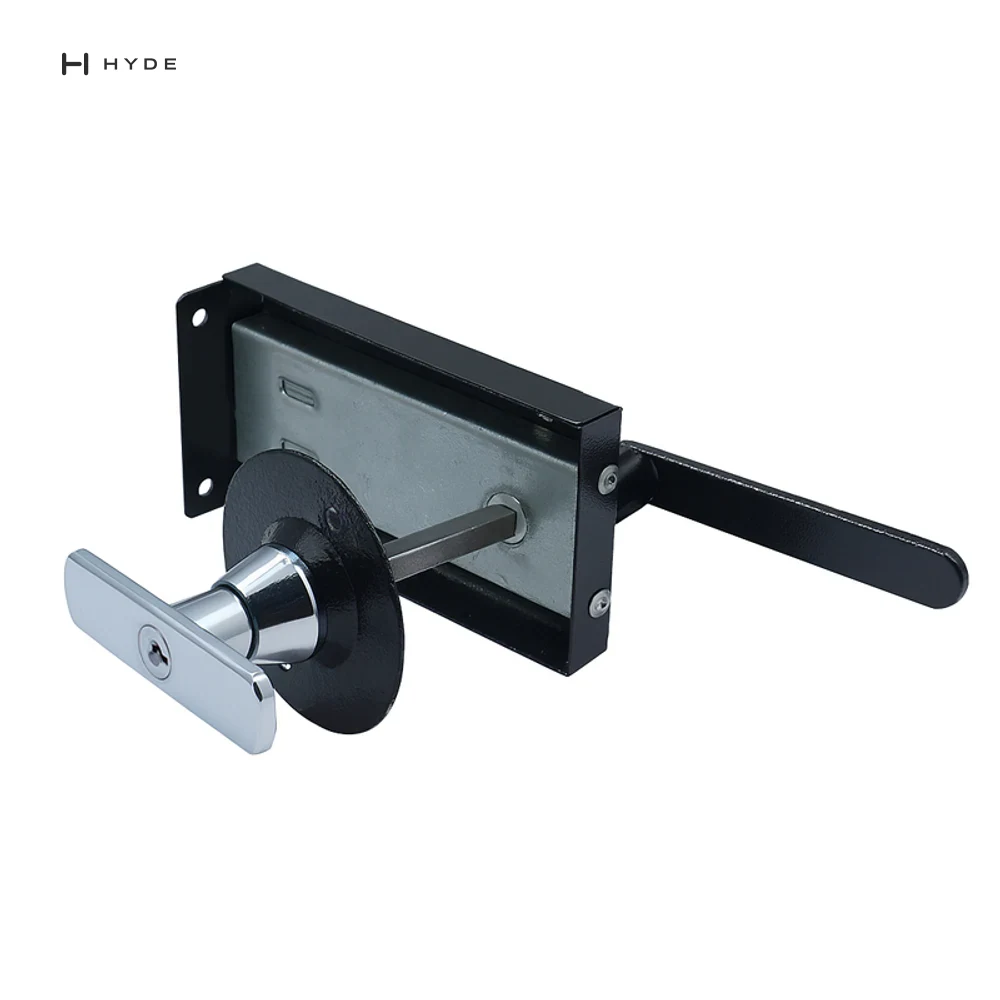
Panic Exit Device Trim
Model 023 ET · Video
steel material with spray painting , different finishes are available .
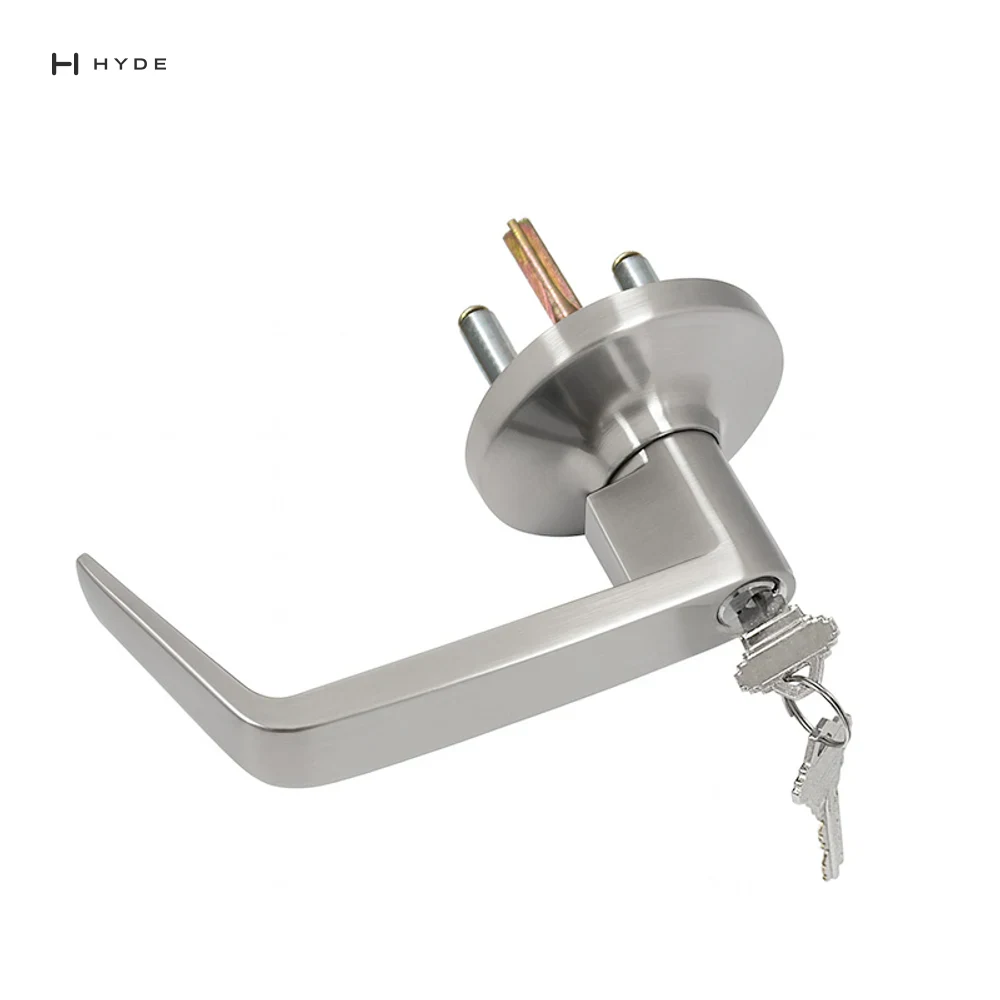
Panic Exit Device Trim
Model 027 · Video
Zinc Alloy
- 309-D — Double Door Panic Exit Device
- 310 — Panic Exit Device
- 316-D — Panic Exit Device
- 320 — Two Point Locking Exit Device
About Canton Hyland — Canton Hyland manufactures panic exit devices, locks and architectural door hardware for commercial and institutional projects, supplying specifiers and distributors internationally.