
What One Frameless Glass Door Actually Needs
A frameless glass door is not a product, it is an assembly of six or seven parts ordered from three different categories. Buyers quote the handle, forget the floor spring, and discover the over-panel patch on site. Here is the whole list, in the order it gets forgotten.

Johnson LiuDigital Communications, Canton HylandMA Digital Media, Johns Hopkins University
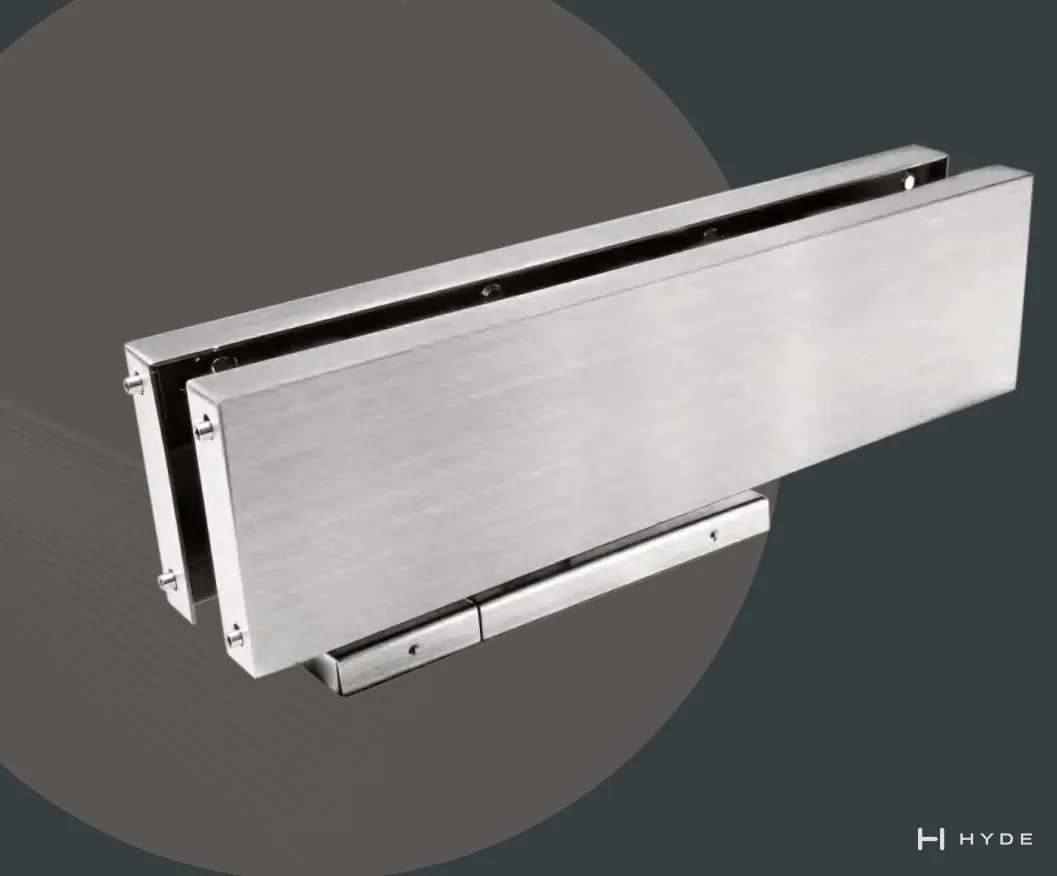
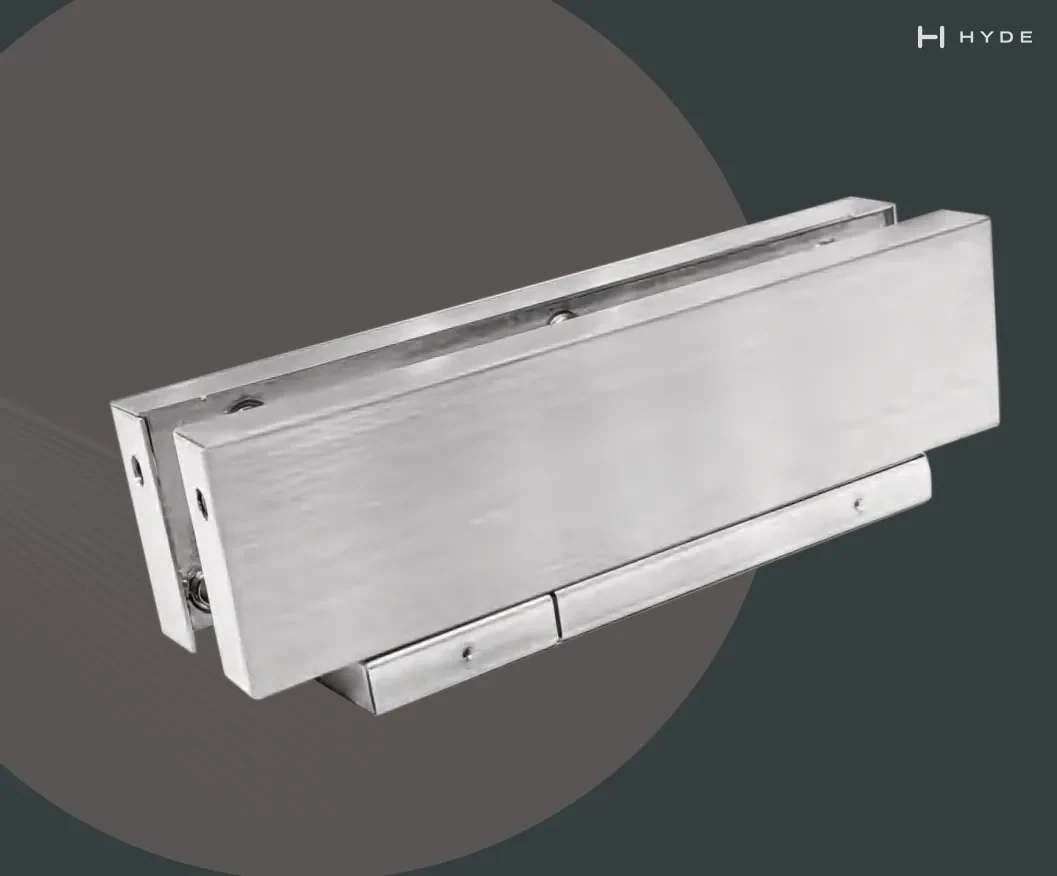
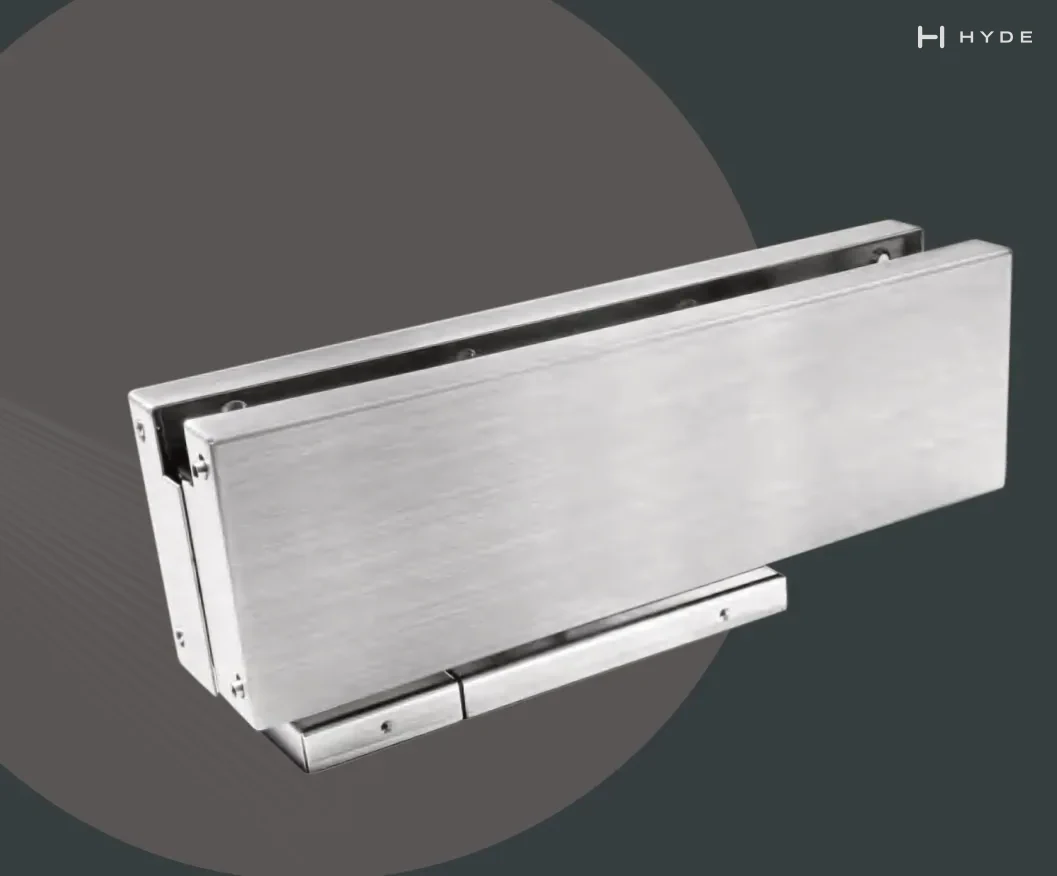
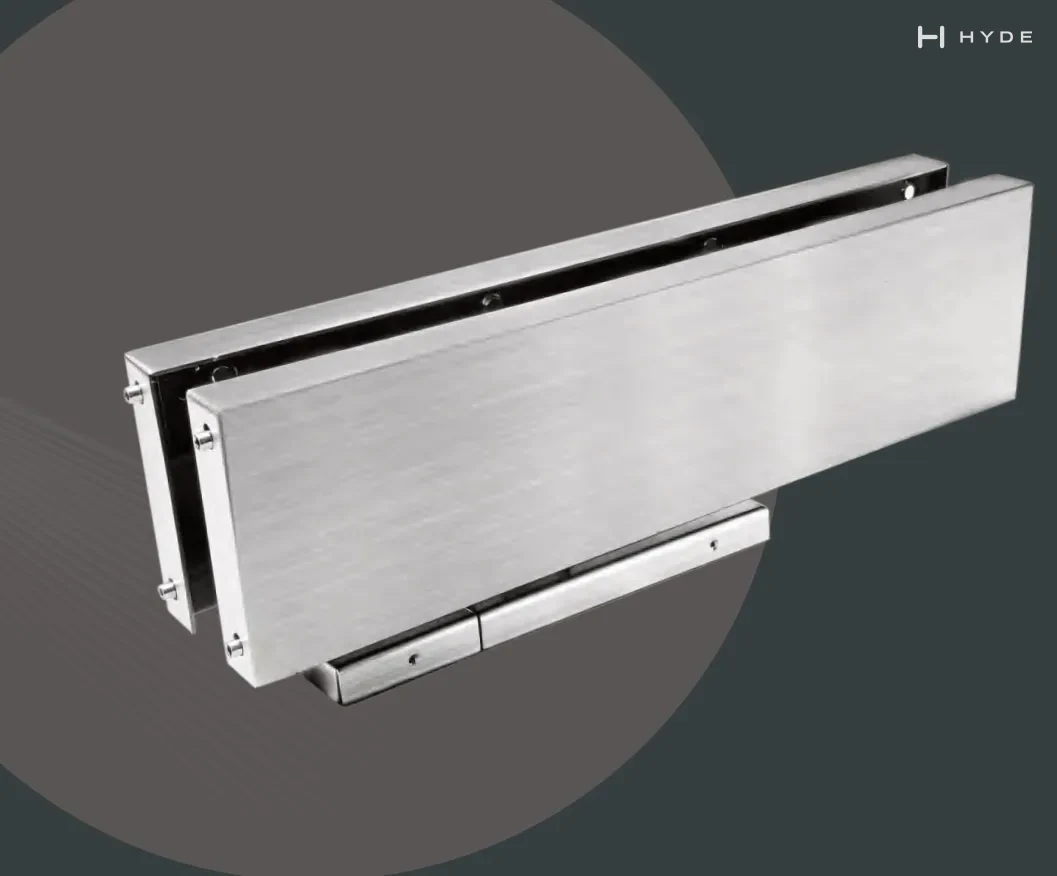
Nobody sells a frameless glass door. What gets sold is a sheet of toughened glass with holes and notches cut into it before tempering, plus six or seven separate metal parts that clamp to it. The glass comes from a local processor. The metal comes from us. The part nobody remembers to order is almost always the same one, and it is not the handle.
Start at the bottom, because that is where the door's weight and its entire closing behavior live. A frameless door pivots on a floor spring, a hydraulic body set into the finished floor in a cement box, carrying the leaf's weight and controlling how fast it swings back. It is the most expensive single item on the list, it is the one with the longest lead time, and it has to be ordered before the floor screed is poured, because retrofitting one means cutting up a finished floor. Floor springs are published under Floor Springs and Door Pivots, each with the leaf weight it carries; the frameless-glass models run from 60 kg to 200 kg. The JU-series in the door-closers category is not an alternative to one — those are overhead closers rated 15 to 30 kg, for a door with a frame and a header to mount them on. Ordering across those two classes is a common reason a glass-door quote comes back missing its most important line.
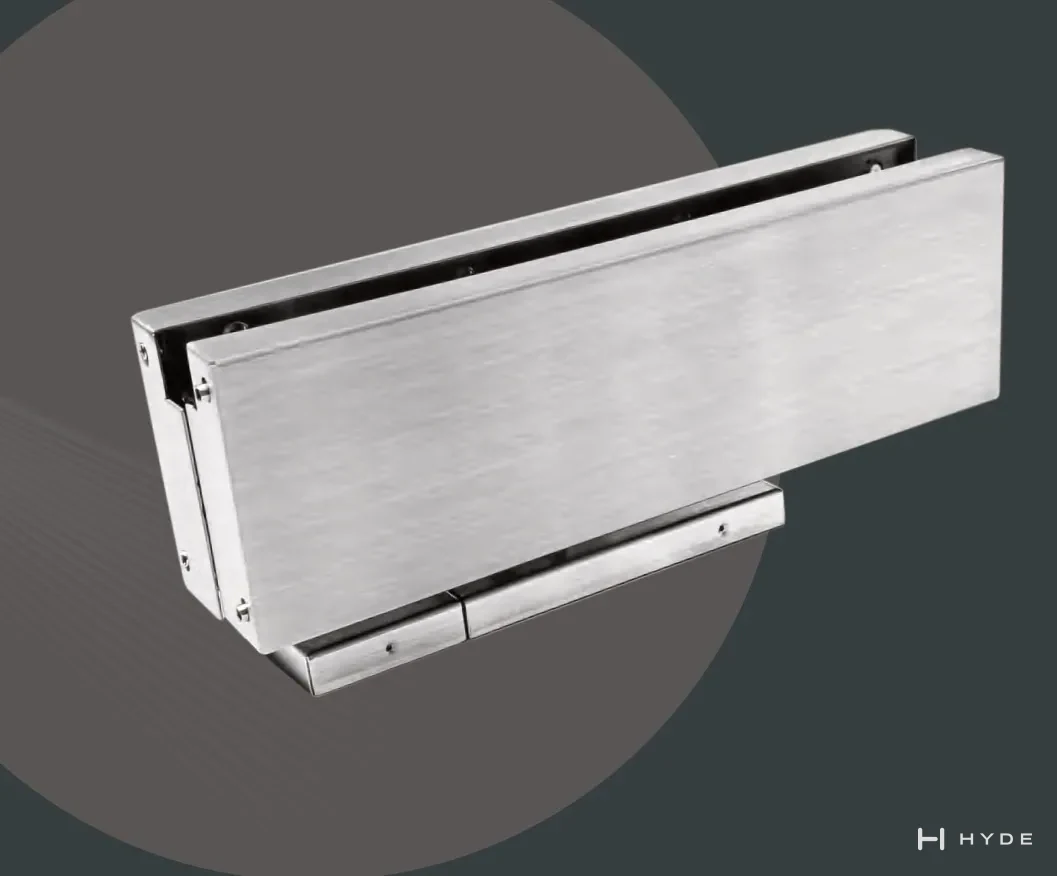
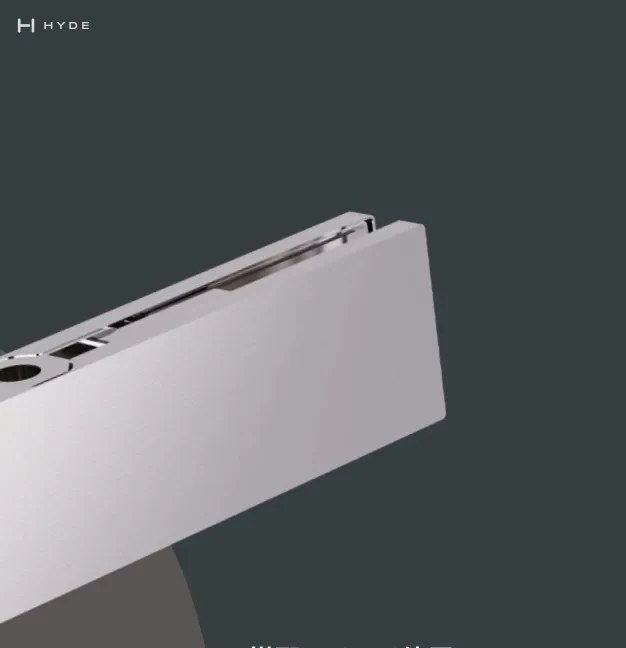
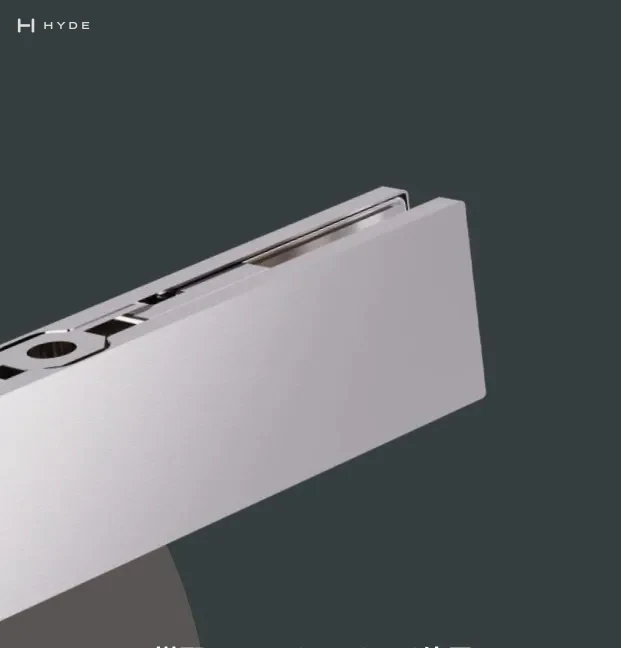
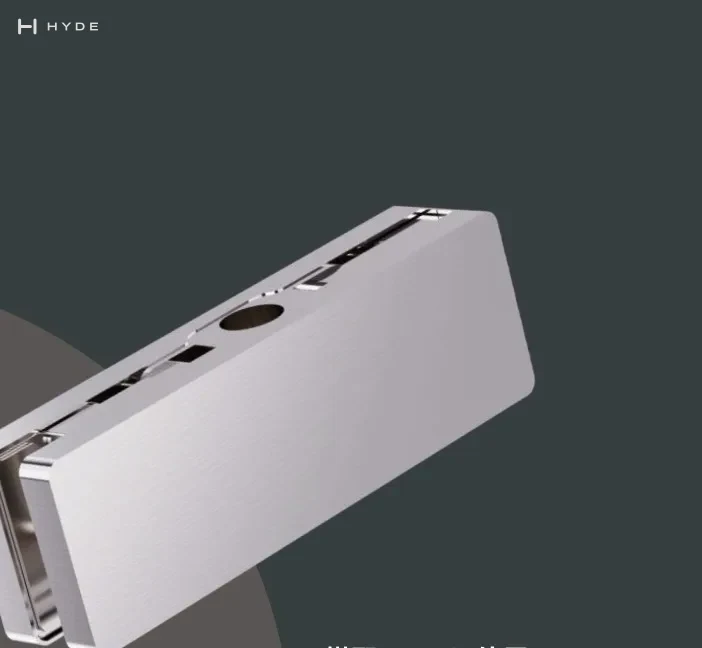
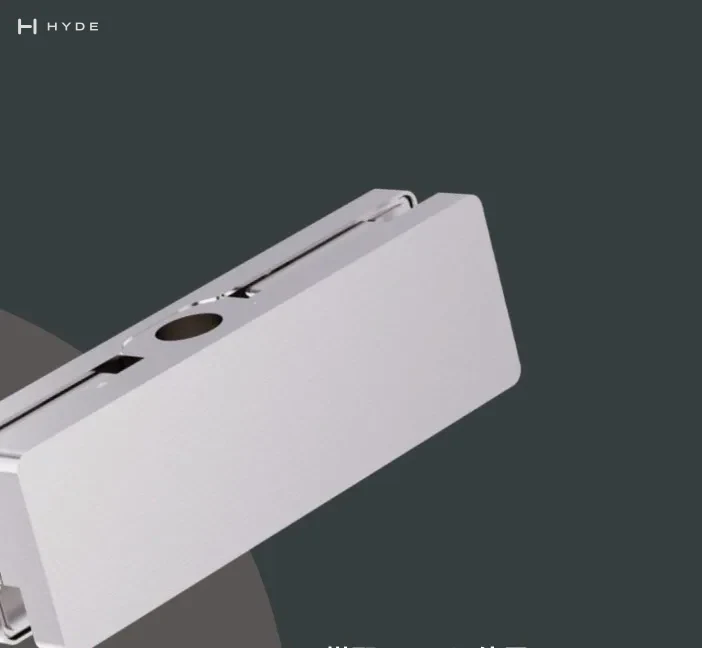
The floor spring does not touch the glass directly. A bottom patch fitting clamps to the lower corner of the leaf and engages the spring's spindle, transferring the load. At the top, a matching top patch fitting takes a pivot pin. Those two are the minimum, and they are handed as a pair for a single door, which means a pair of doors needs two sets, mirrored, and ordering four identical patches gets you two doors that both open the wrong way.
Above the door, if the opening is taller than the leaf, there is a fixed glass over-panel, and the joint between door and over-panel takes an over-panel patch, a connector that clamps both sheets and carries the top pivot. This is the part that gets discovered on site. A buyer measures the door, orders top and bottom patches, and finds on installation day that the top patch has nothing to fix to, because the head of the opening is glass rather than structure. If there is glass above the door, there is a third patch in the order.
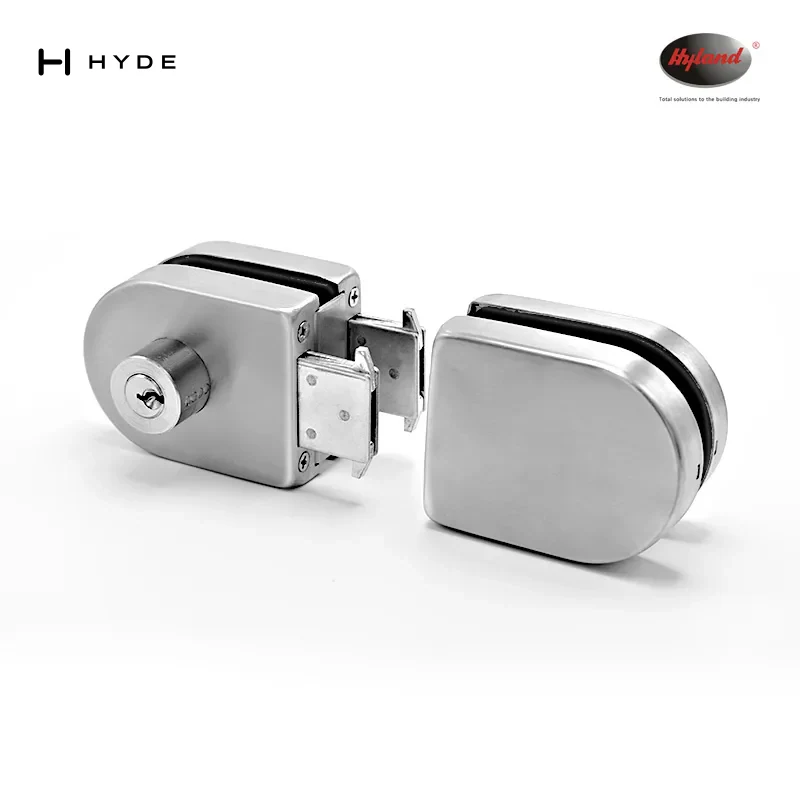
Then the lock, and here the sequence matters more than the part. A glass door lock is a patch-style body clamped to the leaf, engaging either a floor socket or a strike in the adjacent panel. Both the lock body and its counterpart need cut-outs in the glass, and toughened glass cannot be cut, drilled or notched after tempering. Every hole, every notch, every corner cut-out has to be on the processor's drawing before the sheet goes in the furnace. Deciding to add a lock after the glass is made means buying the glass again. This is the single most expensive mistake on a frameless job and it is always a sequencing mistake, never a hardware one.
The drawing is the order
On a frameless job the real deliverable is not the glass and not the hardware. It is the cutting drawing the processor works from, and it is produced before either exists.
Every cut-out on that drawing comes from a specific hardware model: the notch depth for a patch fitting, the corner cut for a lock body, the hole centers for a pull handle, the position and size of the floor-socket recess. Change the model and the drawing changes. Approve the drawing and the model is fixed, because the sheet is about to be tempered and after that nothing can be altered.
That makes the handover between three parties the actual risk on the project, and it is usually nobody's named job:
The hardware supplier owns the cut-out dimensions: they come from the production drawing of the specific model, not from a generic glass-door template, and a template downloaded for a similar-looking fitting is the most common way a wrong notch reaches the furnace.
The glass processor owns the limits: minimum distance from a hole to the edge, minimum distance between holes, the smallest radius they can cut, and the tolerance they hold. These vary by processor and by machine, and they are not something to assume from a previous job. Ask, in writing, before the drawing is approved.
Somebody has to own the check: one person comparing the model numbers on the purchase order against the model numbers on the drawing, once, before it is released. That check takes ten minutes and it is the only thing standing between a specification change and a second sheet of toughened glass.
The reason this sequence is unforgiving is physical rather than commercial. Toughening puts the glass surface into compression and its core into tension, and the sheet only holds together because those two are balanced. Cut it afterwards and the balance goes, which is why a tempered sheet does not chip when you drill it, it disintegrates. There is no careful way to add a hole later. There is only ordering the glass again.
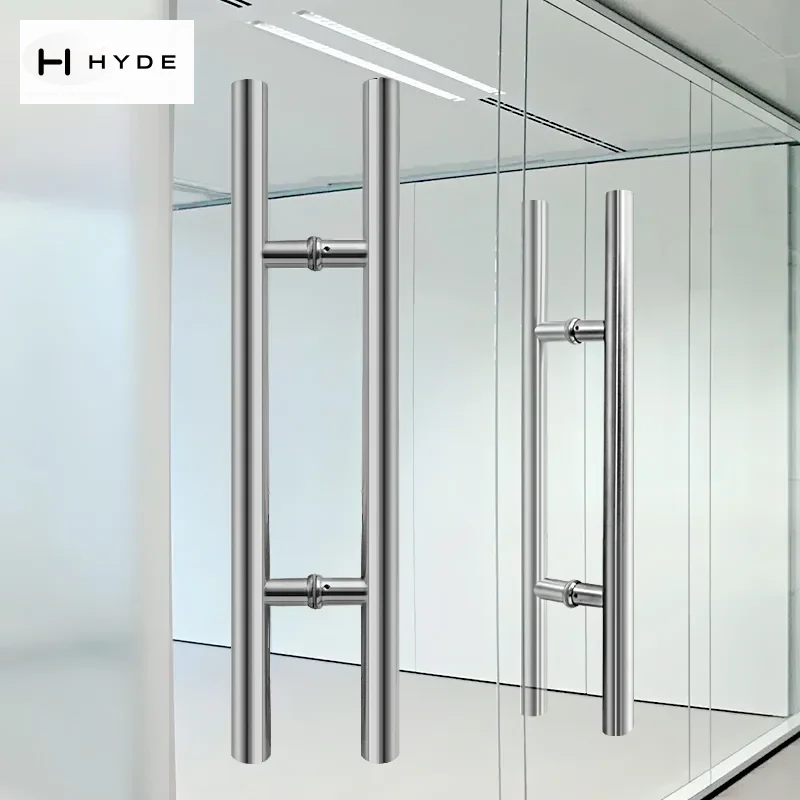
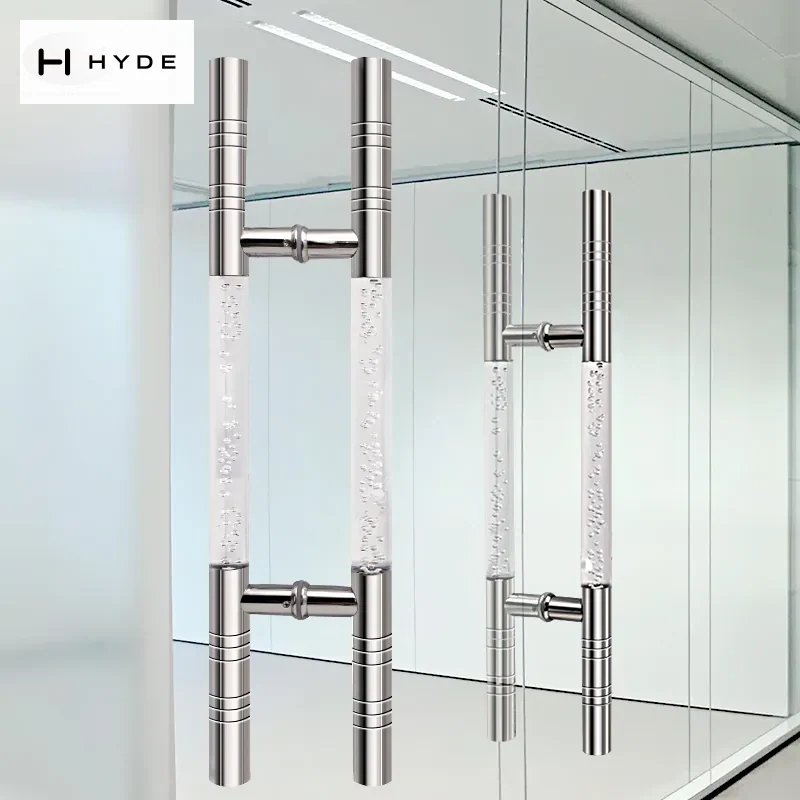
Last, the pull handle, which is the part everyone starts with. Ours run from 300mm (11-13/16") to 600mm (23-5/8") in the 100-series, in back-to-back and single-sided arrangements, and the number that matters is not the overall length but the fixing center, the distance between the two holes, because the holes are in the glass and the glass is already made. Our published center distances come off the production drawings rather than off marketing copy, and they differ between models that look identical: 148mm (5-13/16") on the 100 and the 107, 147mm (5-13/16") on the 102, 125mm (4-15/16") on the 106. A millimeter is not a rounding error when the hole is already drilled.
So the checklist for one door, in the order things go wrong: floor spring, bottom patch, top patch, over-panel patch if there is glass above, lock body, floor socket or strike, pull handle. Then two numbers that govern all of them, the glass thickness, because patch fittings are made for a specific range and 10mm (3/8") and 12mm (1/2") are not interchangeable, and the fixing center on the handle. Our patch range is built for 10 to 12mm (3/8" to 1/2") toughened glass; confirm the thickness with the processor before the fittings are ordered, not after.
Choosing the floor spring, and the decisions buried inside it
It is the most expensive item, the longest lead time and the one that cannot be changed afterwards, so it is worth spending a paragraph on what actually selects it.
Leaf weight and leaf width, together: weight is what the unit carries; width is the leverage it has to control. A narrow heavy leaf and a wide light leaf are different problems, and a unit sized on weight alone will close a wide door either too slowly to latch or fast enough to be dangerous. Send both numbers, and for glass send the thickness and the sheet size, a processor or the hardware supplier can turn that into a weight.
Hold-open, or not: a floor spring can be specified to hold the leaf open at a set angle. In a shop that is wanted daily. On any door that forms part of a fire or smoke compartment it is not permitted, because a held-open leaf is an open leaf. This is a decision about the building, taken once, and it is not a setting anybody should be changing on site.
Two speeds, not one: closing speed brings the leaf most of the way, and latching speed governs the last few degrees. A unit set to close gently enough to feel safe will not push a latch home; a unit set to latch reliably will slam if it carries that speed the whole way. Both are adjustable and both should be set at commissioning, with the door in its final state, not before the floor covering goes down.
The box, and water: the spring body sits in a cement box cast into the slab. In an entrance the box will meet water: rain carried in on feet, floor washing, and in some buildings the screed itself while it cures. The box has to be sealed and it has to drain somewhere, and this is the part that decides whether the unit is serviceable in five years or seized.
Each floor spring now publishes, per variant, the leaf weight it carries, the maximum width from spindle to edge, and the glass thickness it clamps. Read those as the ceiling for the part rather than a verdict on your opening: the figure that decides the job still depends on the leaf, the glass and the installation, so pick the band above your leaf weight rather than the one it just fits, and send the leaf size and the glass thickness so we can confirm the unit by name.
A pair of doors is not two single doors
The list above is for one leaf. A double frameless entrance is the more common case in a shop or a lobby, and four things change, none of which follow from doubling the quantity.
Everything handed doubles as a mirrored pair, not as two of the same. Patch fittings, lock body, floor spring if it is handed. Ordering four identical top patches and four identical bottom patches produces two leaves that swing the same way, which on a pair means one of them fouls the other. Say "one pair, left and right" rather than "quantity four".
Only one leaf usually locks: the standard arrangement is an active leaf carrying the lock and an inactive leaf held by a floor bolt or a shoot bolt into the head and the floor. That means the two leaves have different cut-outs, and therefore two different drawings from the same order. A processor sent one drawing and told to make two is a job that arrives with the lock notch in the wrong leaf.
The meeting point has to be decided before the glass, not after. Whether the leaves close edge to edge, whether there is a gap, and whether anything seals it. This governs the width of each leaf, and leaf width on a frameless pair is not simply the opening halved.
The floor work doubles and has to be set out together: two floor spring boxes and, usually, a floor socket for the inactive leaf's bolt. All three are cast into the floor, all three have to be positioned from the same setting-out, and none of them can be moved afterwards. This is the item that turns a hardware error into a building error.
The practical instruction is the same as for a single door, with one word added: send the opening width and how it is divided, and ask for the parts list as a pair. A pair quoted as two singles is missing at least the handing and usually the floor socket.
Half of that is now on the site: the floor springs are published, and each top patch names the spring it pairs with — D-1042 with D-1031, D-1043 with DZ-2031 or D-1051, D-3017 with D-3015, D-3018 with D-3016. The half that is not is the lock, which still sits in its own category with nothing joining it to the spring and the patch it will be ordered beside. So send the export team the leaf size, the glass thickness, whether there is an over-panel and whether the door needs to lock, and ask for the parts list rather than for a price on a handle. It takes one email and it prevents the two failures above, both of which cost more than the hardware.
Questions this answers
What hardware does one frameless glass door need?
Seven items, in the order things go wrong: floor spring, bottom patch, top patch, over-panel patch if there is glass above the door, lock body, floor socket or strike, and pull handle. Then two numbers that govern all of them, the glass thickness, because patch fittings are made for a specific range and 10mm and 12mm are not interchangeable, and the fixing center on the handle.
Why must a glass door lock be decided before the glass is made?
Because toughened glass cannot be cut, drilled or notched after tempering. Every hole, notch and corner cut-out has to be on the processor's drawing before the sheet goes in the furnace, and both the lock body and its counterpart need cut-outs. Deciding to add a lock after the glass is made means buying the glass again. It is the single most expensive mistake on a frameless job, and it is always a sequencing mistake rather than a hardware one.
Why does a glass door quote so often arrive missing the floor spring?
Because most catalogs file the floor spring with the door closers rather than with the glass fittings, and on this site floor springs are not listed at all, so a quote built from the glass pages never reaches one. Ask for it by name. The floor spring carries the leaf's weight and controls how fast it swings back; it is the most expensive single item on the list, has the longest lead time, and has to be ordered before the floor screed is poured, because retrofitting one means cutting up a finished floor.
Is the pull handle specified by its length?
No, by its fixing center, because the holes are in the glass and the glass is already made. Our published center distances come off the production drawings and they differ between models that look identical: 148mm (5-13/16") on the 100 and the 107, 147mm (5-13/16") on the 102, 125mm (4-15/16") on the 106. A millimeter is not a rounding error when the hole is already drilled.
Related products
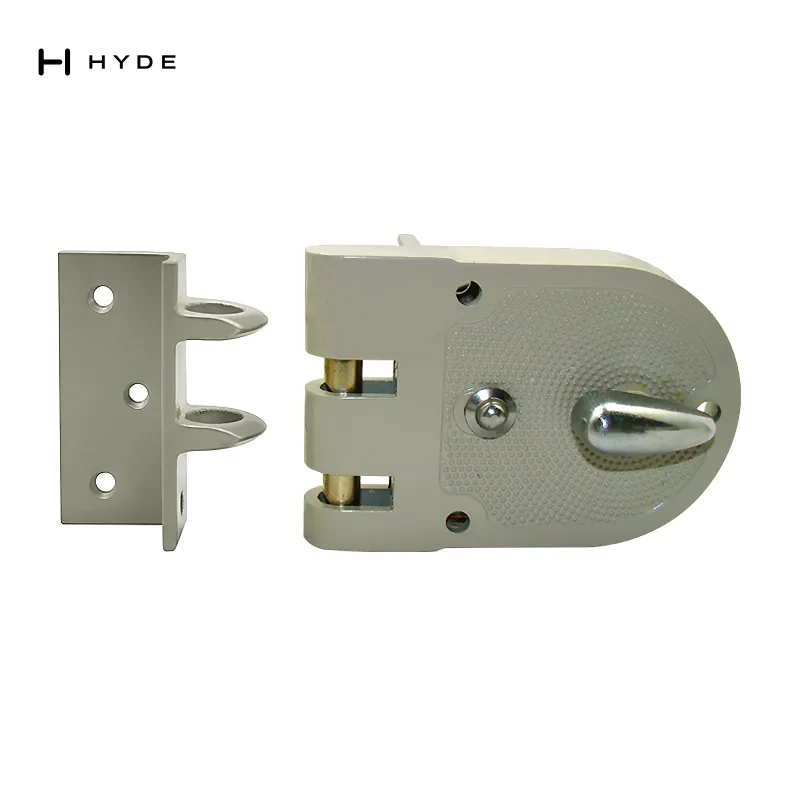
Size 129*321.5mm
Glass Door Patch Fittings
Model F101 · Video
Iron body and 304 SS outer plates
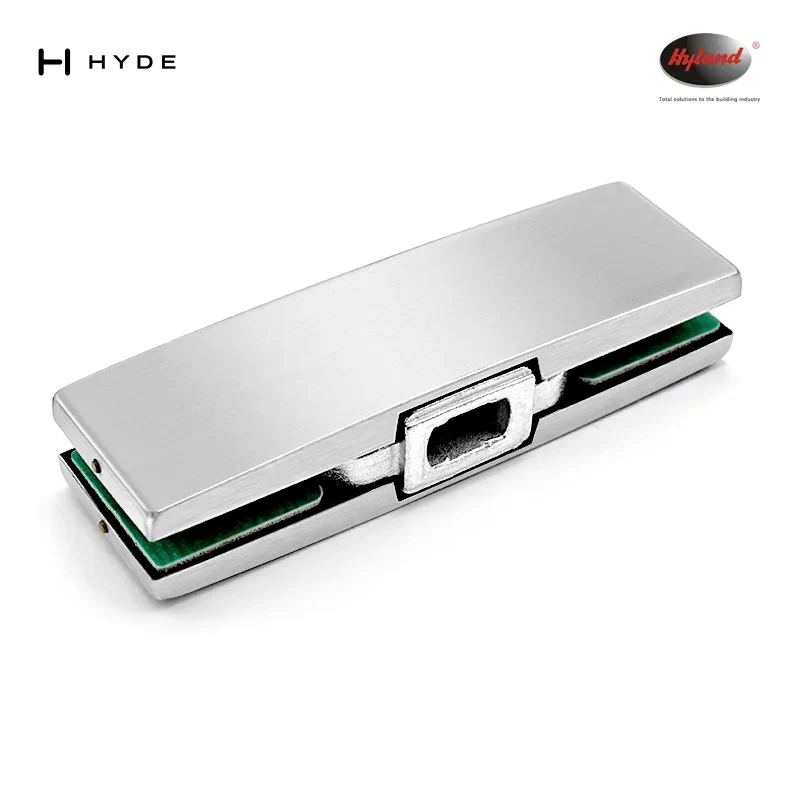
Door thickness 8-12mm
Glass Door Patch Fittings
Model F110 · Video
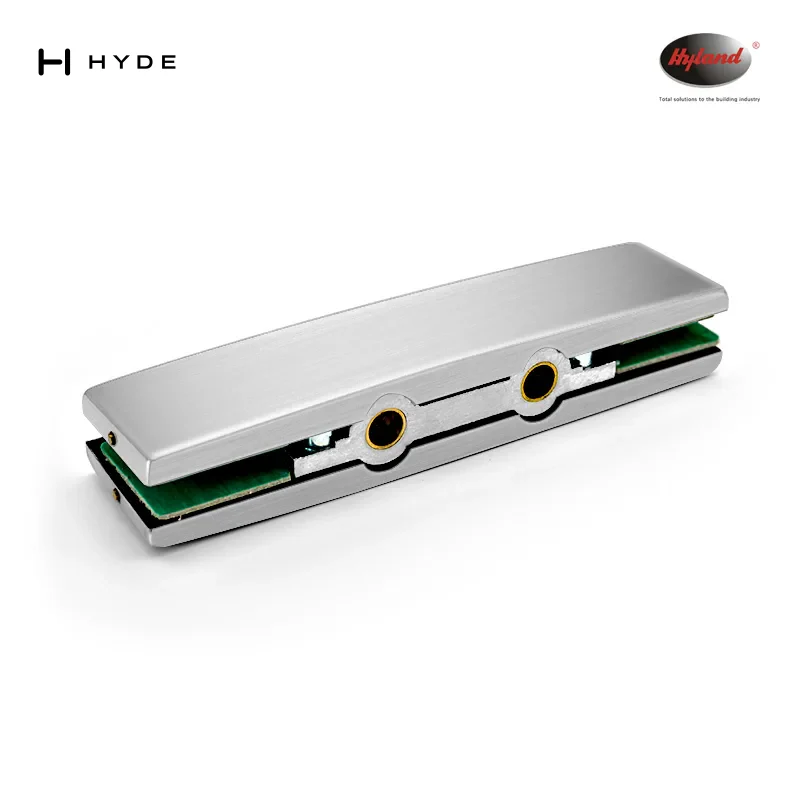
Door thickness 8-12mm
Glass Door Patch Fittings
Model F112 · Video
- GL125 SS — Glass Door Patch Fittings
- 100 — Glass Door Handle
- 107 — Glass Door Handle
- D-1031 — Floor Spring
- D-1051 — Floor Spring
- D-3015 — Floor Spring
- D-3016 — Floor Spring
- DZ-2031 — Floor Spring
- D-1042 — Glass Door Top Patch
- D-1043 — Glass Door Top Patch
- D-3017 — Glass Door Top Patch
- D-3018 — Glass Door Top Patch
About Canton Hyland — Canton Hyland manufactures panic exit devices, locks and architectural door hardware for commercial and institutional projects, supplying specifiers and distributors internationally.