From a drawing or a sample to the first shipment: what can be changed on a door hardware part, what needs a new mould, how long tooling took on our own 311, minimum orders and samples, and who is responsible for the dimensions.
Alıcılar bakır menteşe ister; kapıyı taşıyan ise pirinçtir, yani çinkoyla alaşımlanmış bakır. İfadenin ne anlama gelebileceği, antik bakırın neden yalnızca bir kaplama olduğu, menteşelerimizden hangilerinin pirinç olduğu ve siparişe ne yazılacağı.
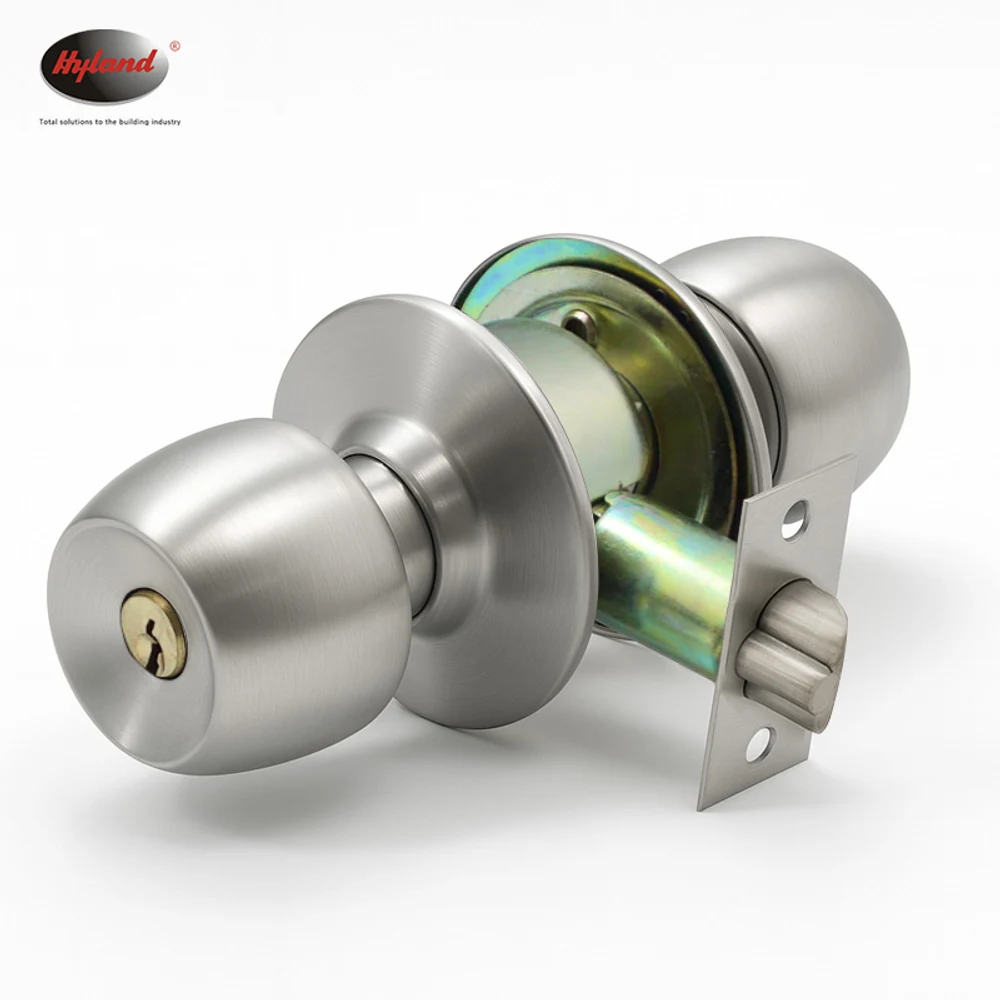
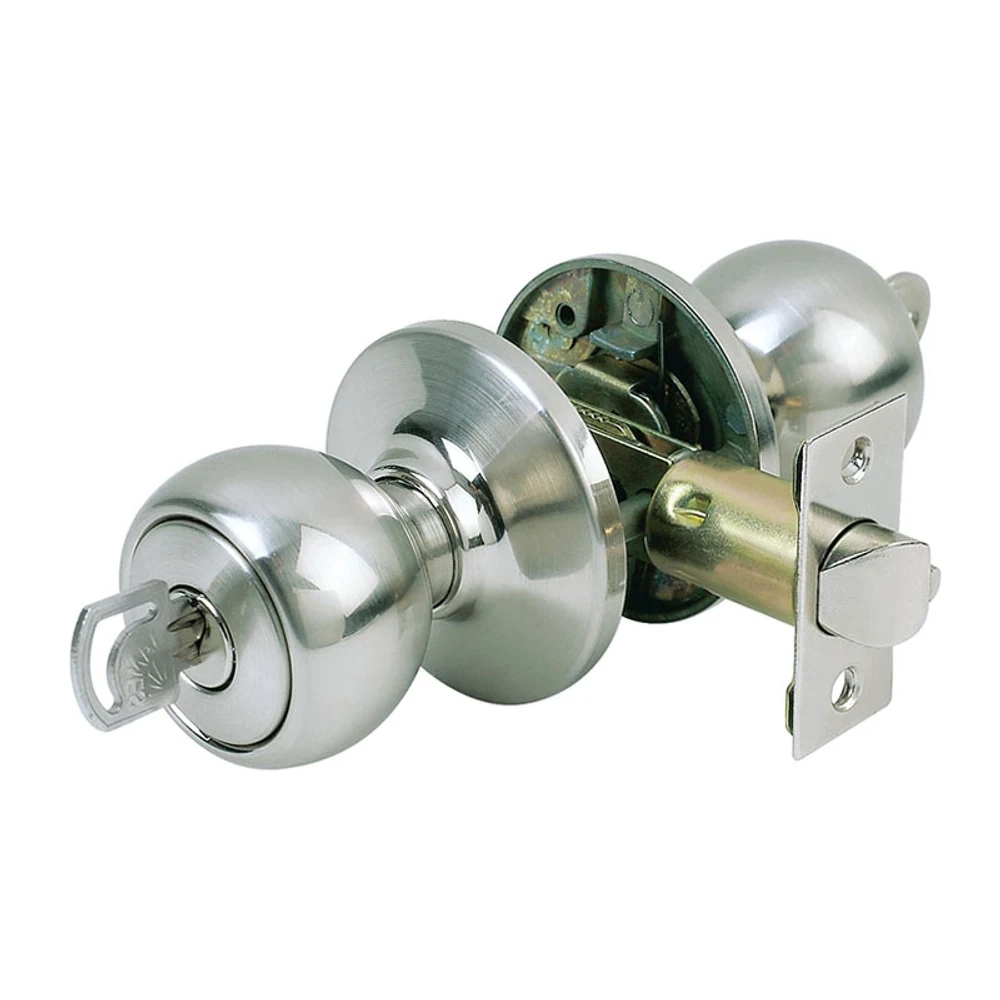
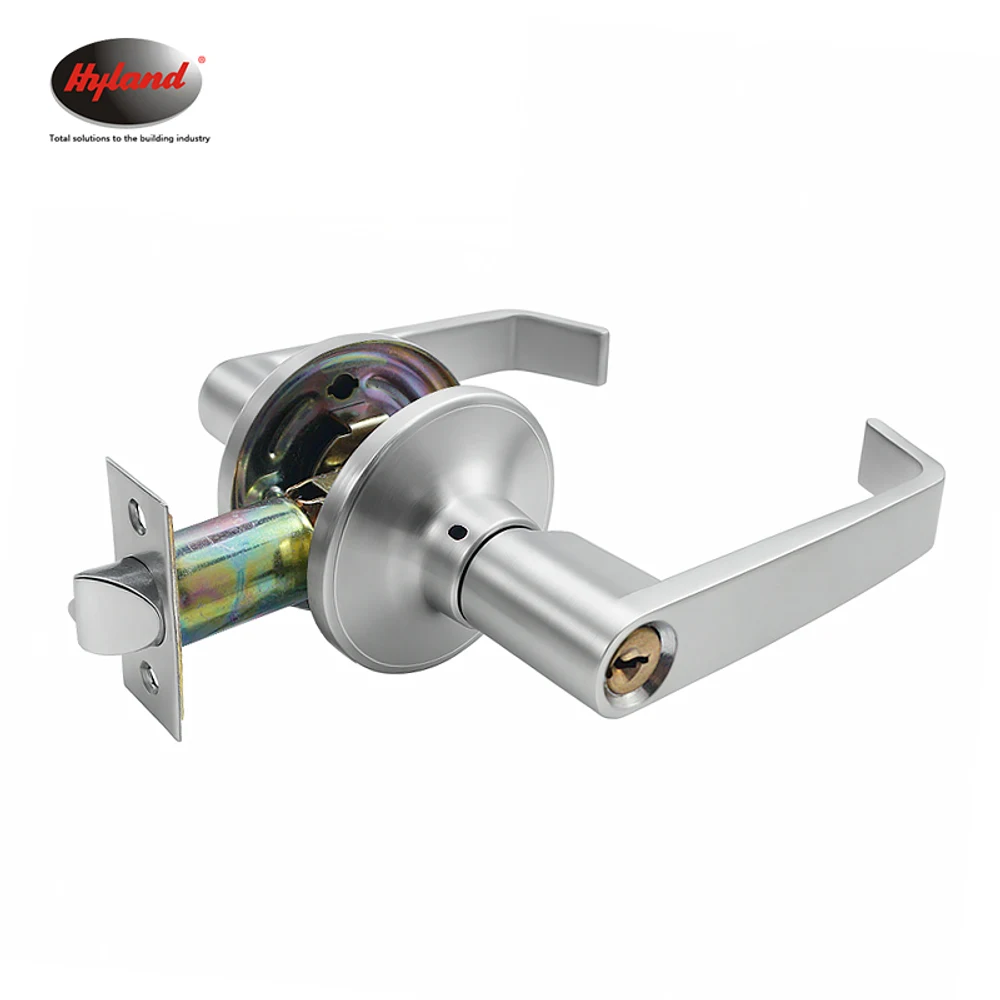
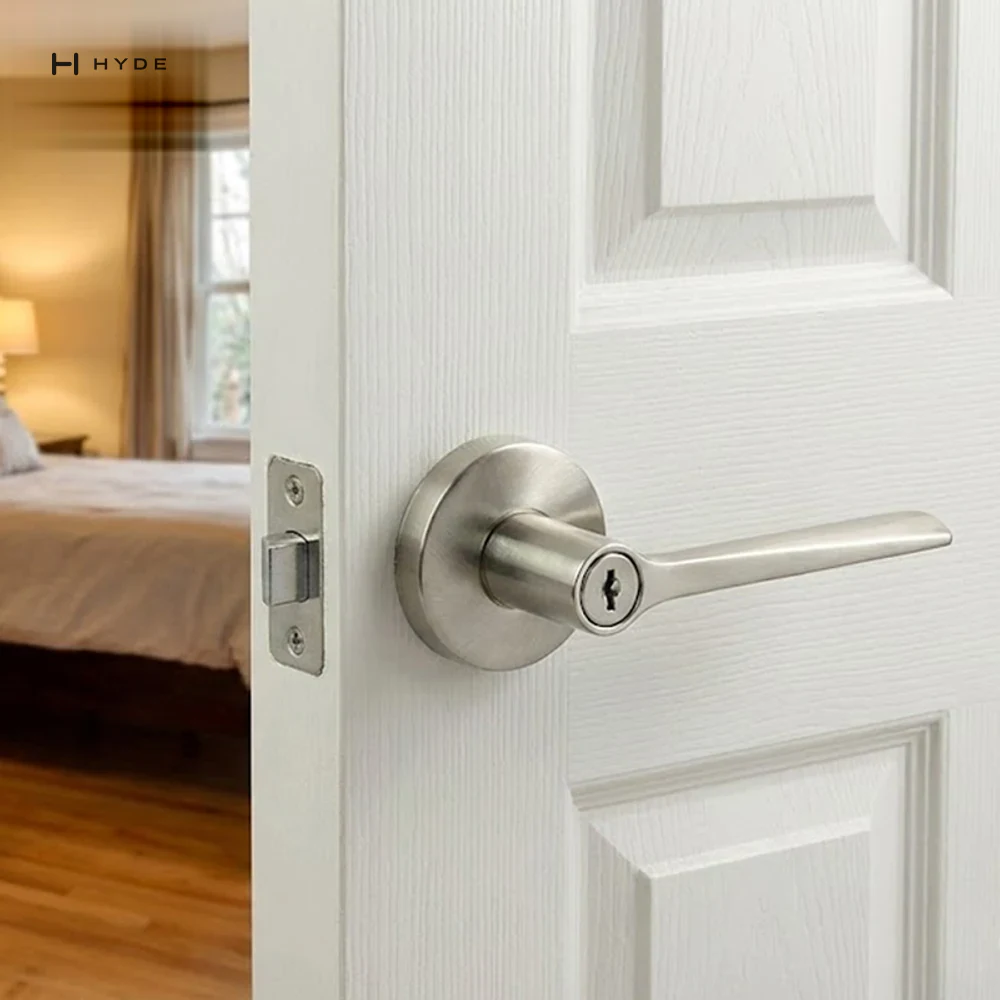
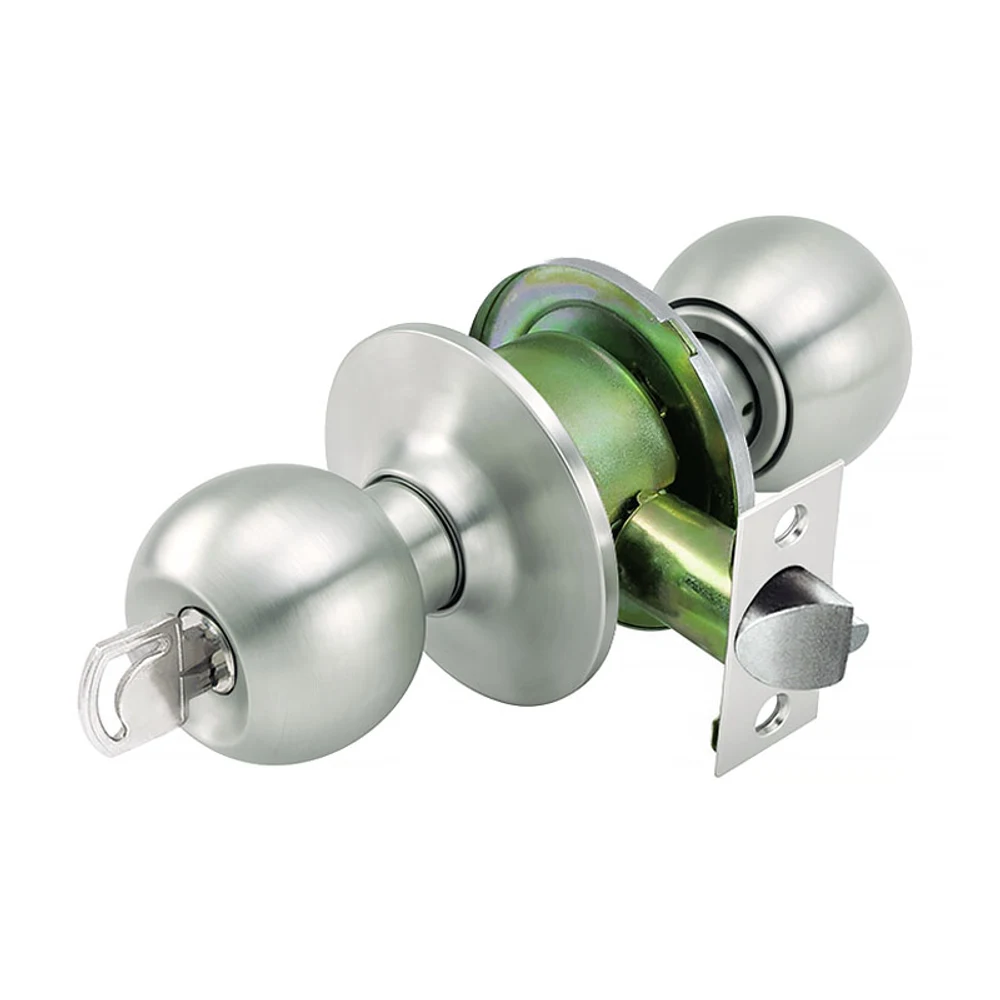
Delme hazırlıklı kapılar için dört ailede 59 topuzlu ve kollu kilit: tübüler, hafif hizmet tipi silindirik, ağır hizmet tipi silindirik ve ticari. Özellik satırlarından yan yana; onları ayırmayan tek satır ve ayıran satırlarla birlikte.
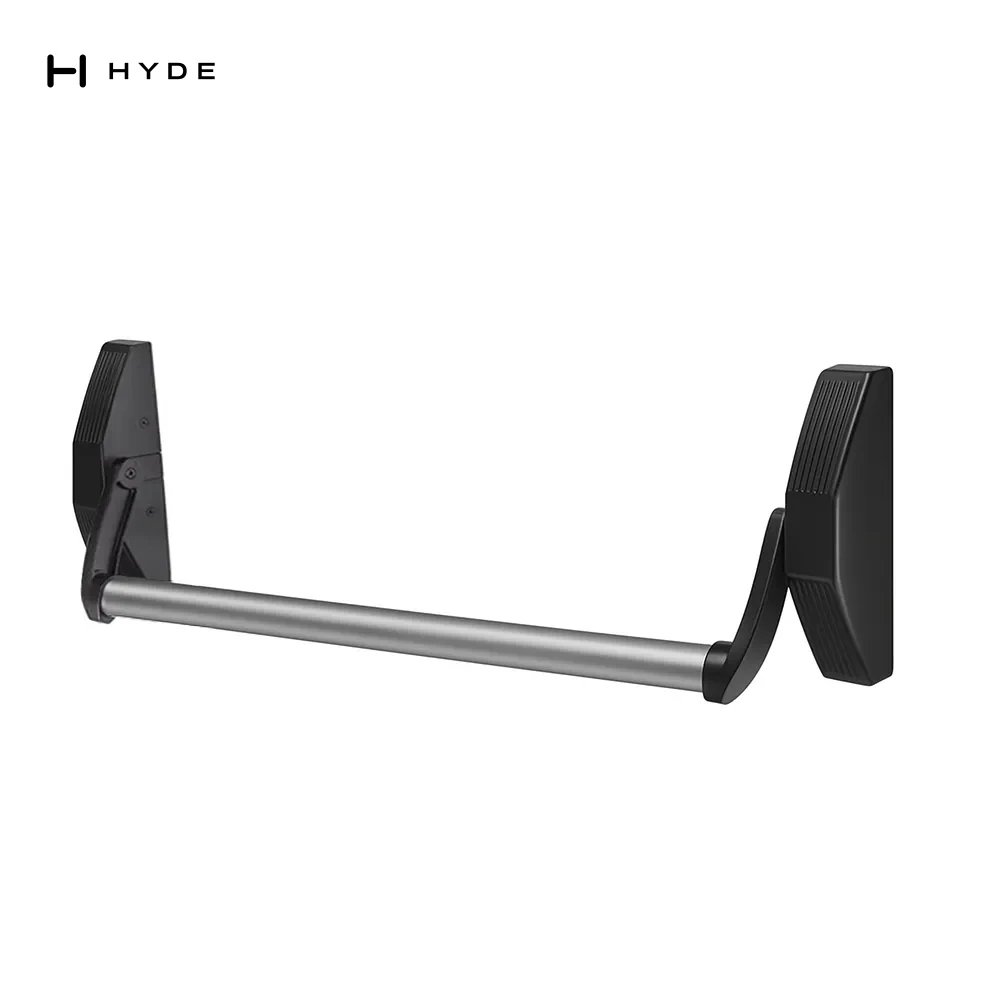
46 records sit in our panic exit device family, and only 27 of them are exit devices. Here they are in three tables (single doors, pairs, special purposes) built from their specification rows, with the missing rows and the conflicting ones named.
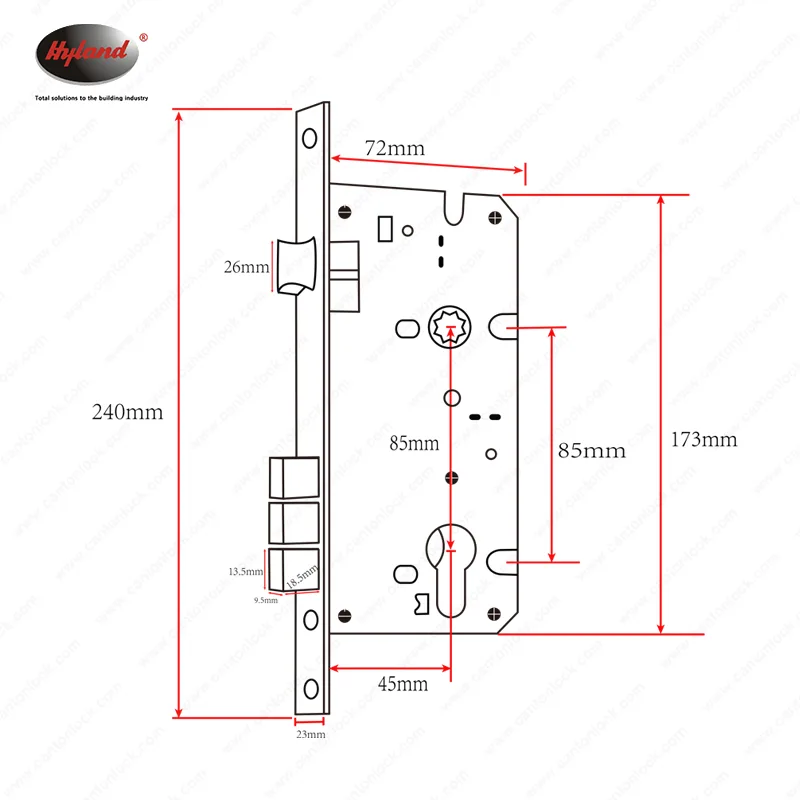
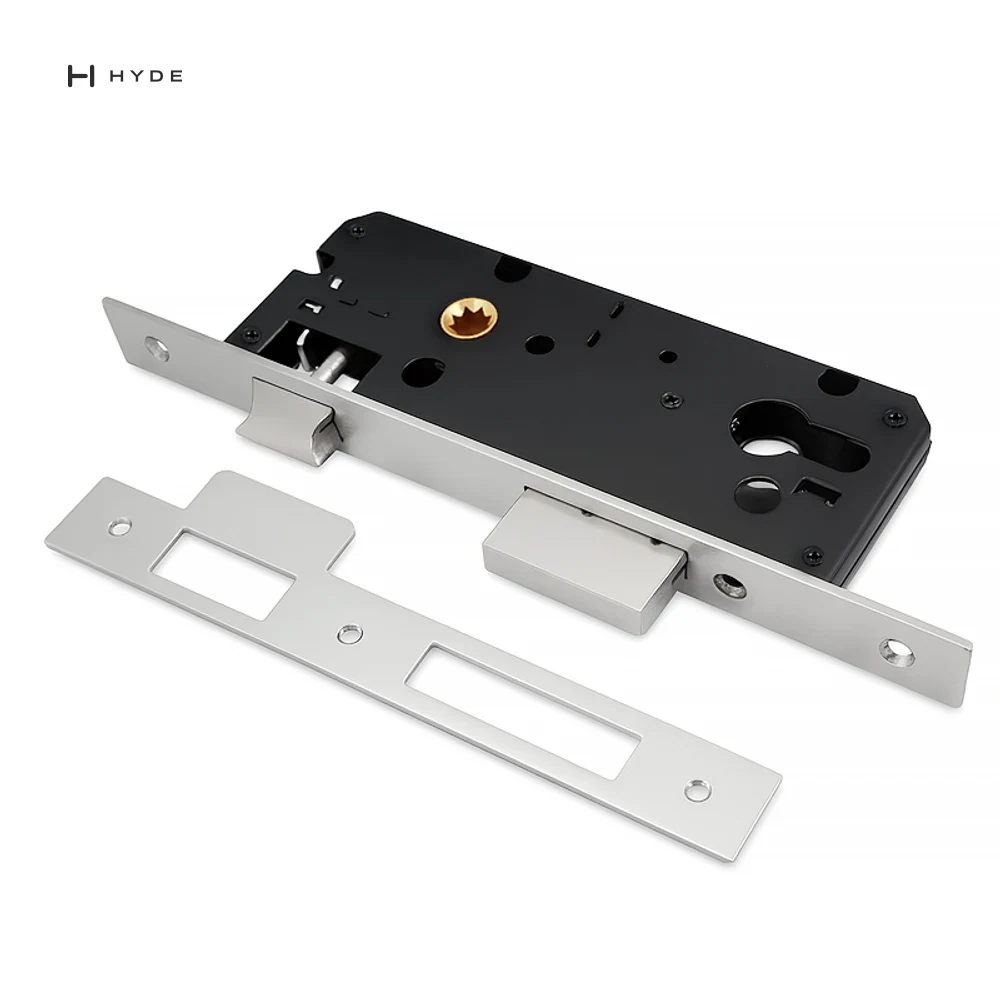
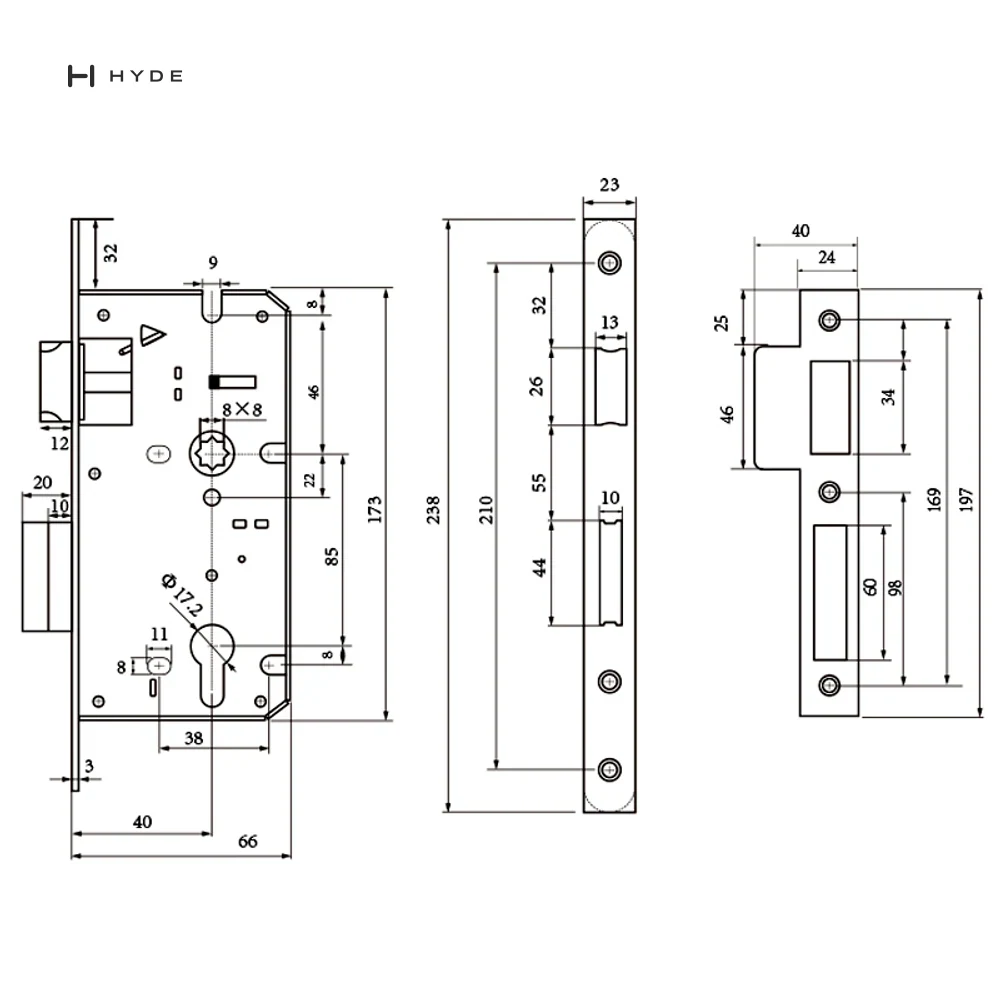
32 of our mortise lock cases publish both a backset and a center distance. Here they are in two tables, narrow-stile and standard, with the naming traps and the gaps stated plainly.
Yedek bir kilidin önceden işlenmiş bir kapıya oturup oturmayacağına iki sayı karar verir: backset ve kapı kalınlığı aralığı. Burada yayımlanan kataloğumuzun gerçekte ne taşıdığını (broşürden alıntı değil, kayıtlardan sayılmış olarak), inç karşılıklarını, ölçüm yöntemini ve backset olmadığı hâlde onunla sık karıştırılan tek ölçüyü bulacaksınız.
“Masif pirinç” farklı davranan bir alaşım ailesinin adıdır; en önemli fark, alaşımın çinko kaybına (dezinsifikasyon) dayanıp dayanmadığıdır. Bu sayfa kapı donanımında kullanılan pirinçleri sıralar, çoğunda neden kurşun bulunduğunu ve düşük kurşunlu alternatiflerin maliyetini açıklar, dezinsifikasyonu ve DZR pirincin gerçekten gerektiği yerleri anlatır, pirinci bronzdan ayırır ve kendi kataloğumuzun ne yayımladığını sayar.
Bir sertifika ya kontrolden sağ çıkar ya çıkmaz; neye bakacağınızı biliyorsanız kontrol yaklaşık beş dakika sürer. Bu sayfa gerçek her test sertifikasının taşıdığı yedi bölümü sıralıyor, akreditasyon ile belgelendirme arasındaki farkı açıklıyor, kapı donanımı için Performans Beyanı ve CE işaretini ele alıyor, "dur" demeniz gereken altı uyarı işaretini listeliyor ve neye sahip olup neye sahip olmadığımızı açıkça söylüyor.
Krom, nikelin üzerindeki ince bir üst katmandır; nasıl göründüğüne ve ne kadar dayandığına bu yüzden nikel karar verir. Bu sayfa kaplama katmanlarını açıklıyor, parlak kromu saten kromdan ve saten nikelden onları gerçekten ayıran özelliğe göre ayırıyor, kodları veriyor ve kendi 336 kaplama satırımızdan hareketle, kod yerine adla yazılmış bir kaplamanın neden yeniden sipariş edilemeyeceğini gösteriyor.
Kilit fonksiyonu seçmek bir katalog sorunu değil, iki soruluk bir sorundur: kim geçebilir ve içerideki kişiye ne olur? Bu sayfa bunu, ticari bir binanın gerçekte içerdiği oda tiplerini kapsayan bir karar tablosuna dönüştürüyor, rahatsızlık değil can güvenliği sorunu yaratan üç fonksiyon hatasını adlandırıyor ve kendi kataloğumuzun her fonksiyondan kaç model taşıdığını belirtiyor.
Kapı donanımı hacimle değil ağırlıkla sınırlanan bir yüktür. Kendi sevkiyat çalışma tablomuzdan hesaplandı: medyan koli yoğunluğu metreküp başına 614 kg'dır; bu da 40 ayaklık bir konteynerin yeri bitmeden taşıma kapasitesinin bittiği noktanın üzerindedir. High cube yüzde 15 daha fazla hacim sağlar ve bu yük için hiç fazladan donanım sağlamaz.
EN 1670, kapı donanımının korozyon direncini 0'dan 5'e kadar sınıflandırır ve her sınıf, nötr tuz püskürtme kabininde geçen bir saat sayısıdır. Bu sayfa her sınıfın saatini veriyor, Atlantik'in öbür yakasında ASTM B117 ve ANSI/BHMA A156.18'in ne yaptığını açıklıyor, alışkanlıkla seçilmiş bir sınıfın başarısız olduğu üç ortamı adlandırıyor ve bir kabin testinin neyi öngöremeyeceği konusunda dürüst davranıyor.
132 modelde 200.000 çevrim yayımlıyoruz. EN 1906'da bu en üst dayanıklılık kategorisidir. ANSI/BHMA A156.2'de ise giriş sınıfıdır. İki ifade de doğrudur ve birini diğeri gibi okuyan bir şartname ya gereğinden fazla ya da gereğinden az satın alır. Bu sayfa bir çevrim testinin gerçekte ne olduğunu, her ölçeğin ne istediğini ve kendi değerimizin ikisinde de nerede durduğunu anlatıyor.
"Is it interchangeable?" is answered by seven dimensions, and two of them are the ones almost nobody publishes. This page lists them in the order they cause failures, explains why matching the backset is not enough, sets out what to send a factory when you want a drop-in for a discontinued lock, and counts how many of our own 258 lock products publish each dimension, including the one at two per cent.
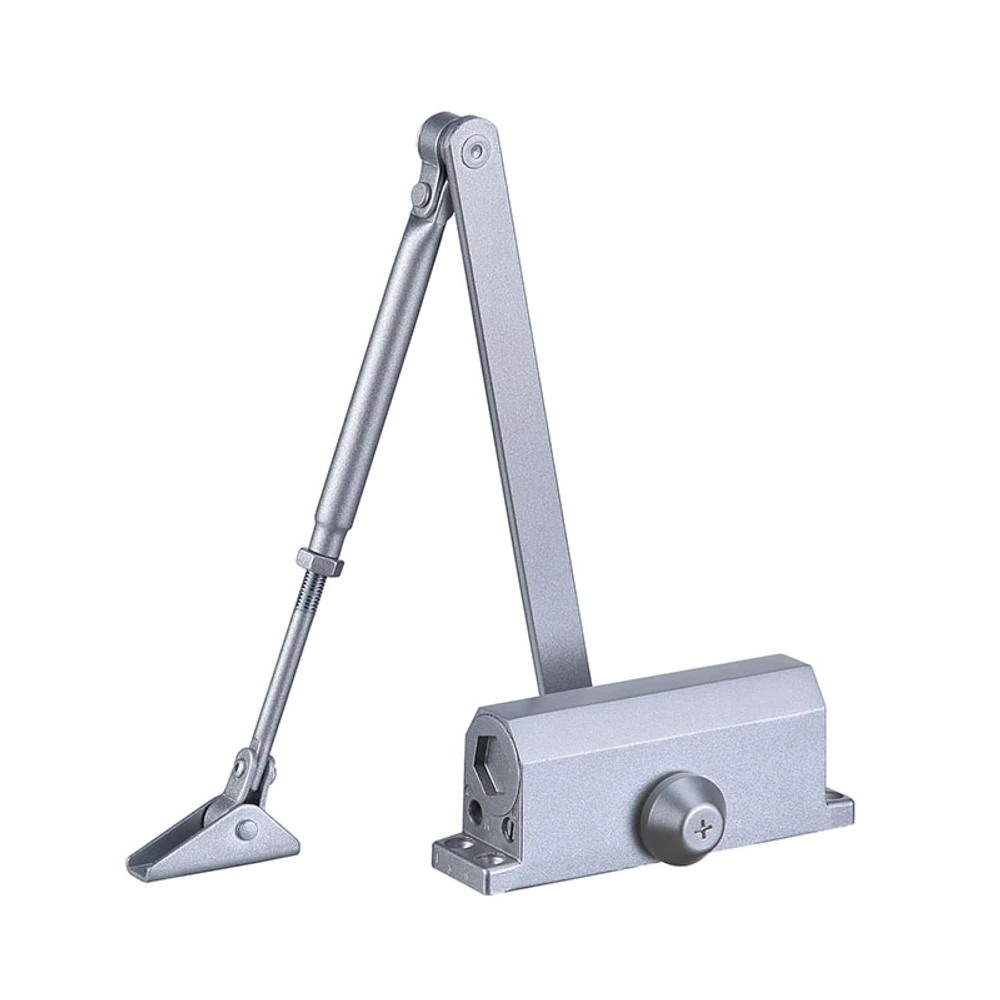
The same door closer performs differently depending on where it is mounted, and the mounting is usually chosen on site by whoever is holding the drill. This page compares the four standard arrangements on the three things that matter (mechanical efficiency, projection into the opening, and vulnerability) explains why a parallel arm can cost you a power size, and sets out which side of the door each one lives on.
A door closer is specified by a power size, and the power size is derived from the door (its leaf width and its mass) not from the opening or the building type. This page sets out the EN 1154 size ladder with the leaf widths each covers, how the ANSI/BHMA A156.4 approach differs, the three adjustments that are not the power size, and the accessibility constraint that overrides all of it.
Almost every product in a door hardware catalog classifies under one of two HS headings: 8301 for locks and keys, 8302 for mountings and fittings. This page sets out the subheadings under each, names the four that are most often got wrong (door closers, keys shipped separately, parts, and furniture versus building fittings) and explains exactly where the internationally agreed code ends and your own country's begins.
A door arrives on site "prepped", and whether the lock fits is decided by holes cut weeks earlier in another factory. This page sets out the standard bored-lock and mortise-lock preparations with their dimensions, explains the ANSI/BHMA A115 series that governs them, and lists the five things a purchase order has to say before a door manufacturer can cut anything.
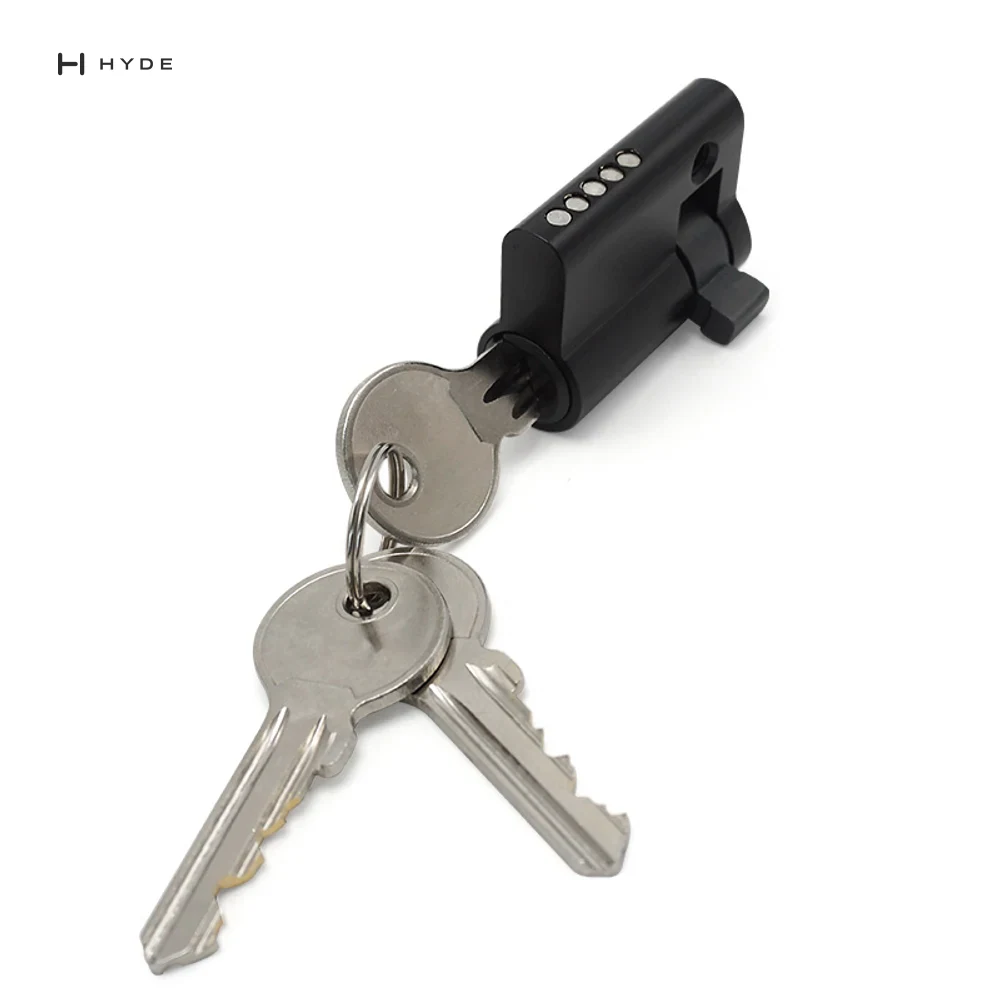
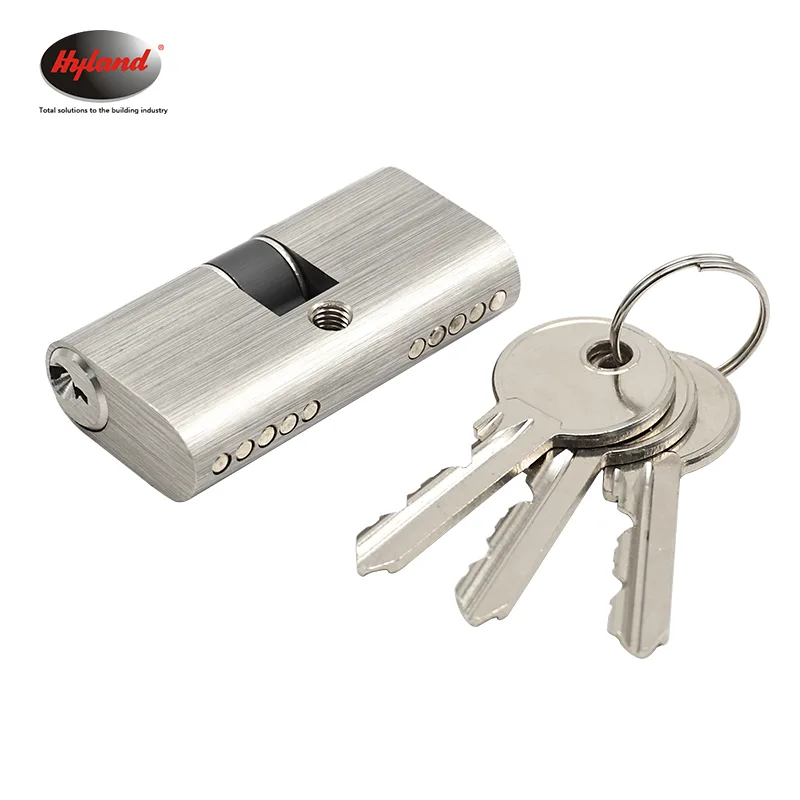
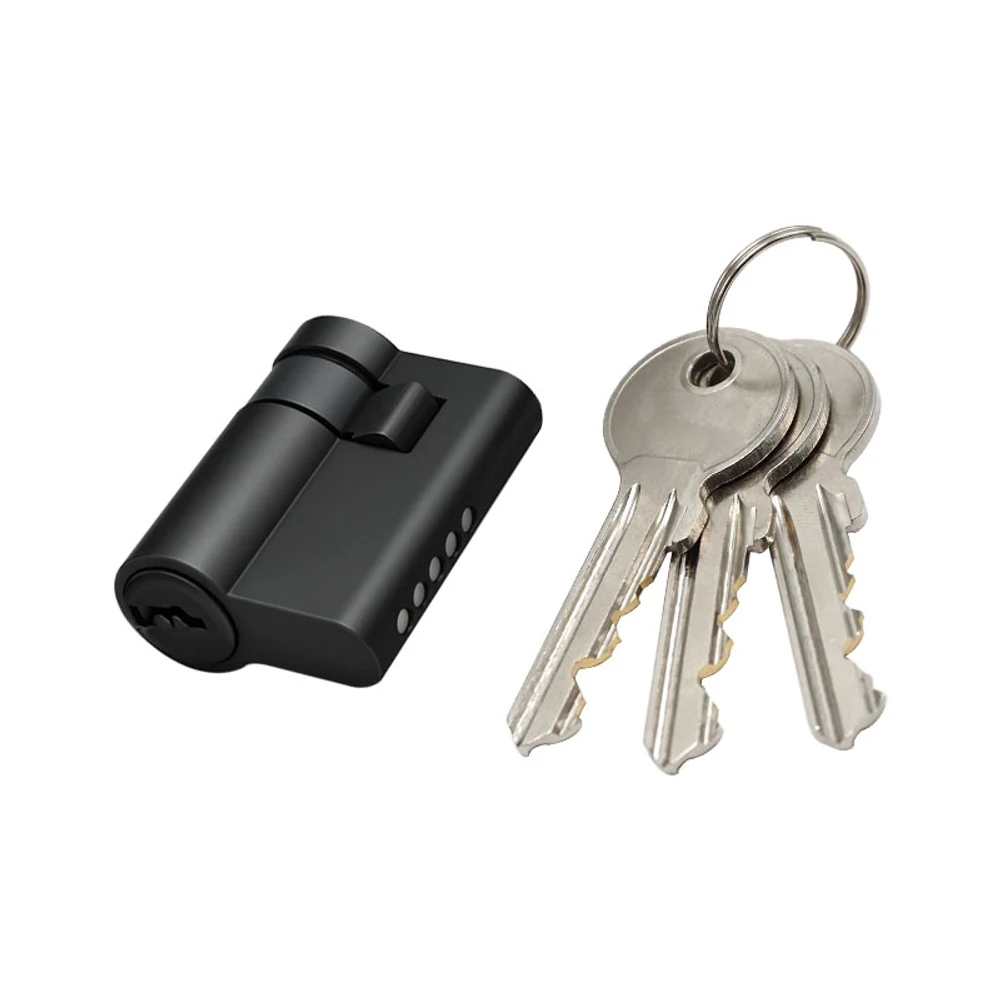
Sizing a euro cylinder is one subtraction and one rounding, and the rounding is where it goes wrong. This page gives the calculation, a door-thickness lookup table worked against the nine lengths we actually publish, explains why a thin door still gets a protruding cylinder, and shows what changes when the lock case is not centered in the leaf.
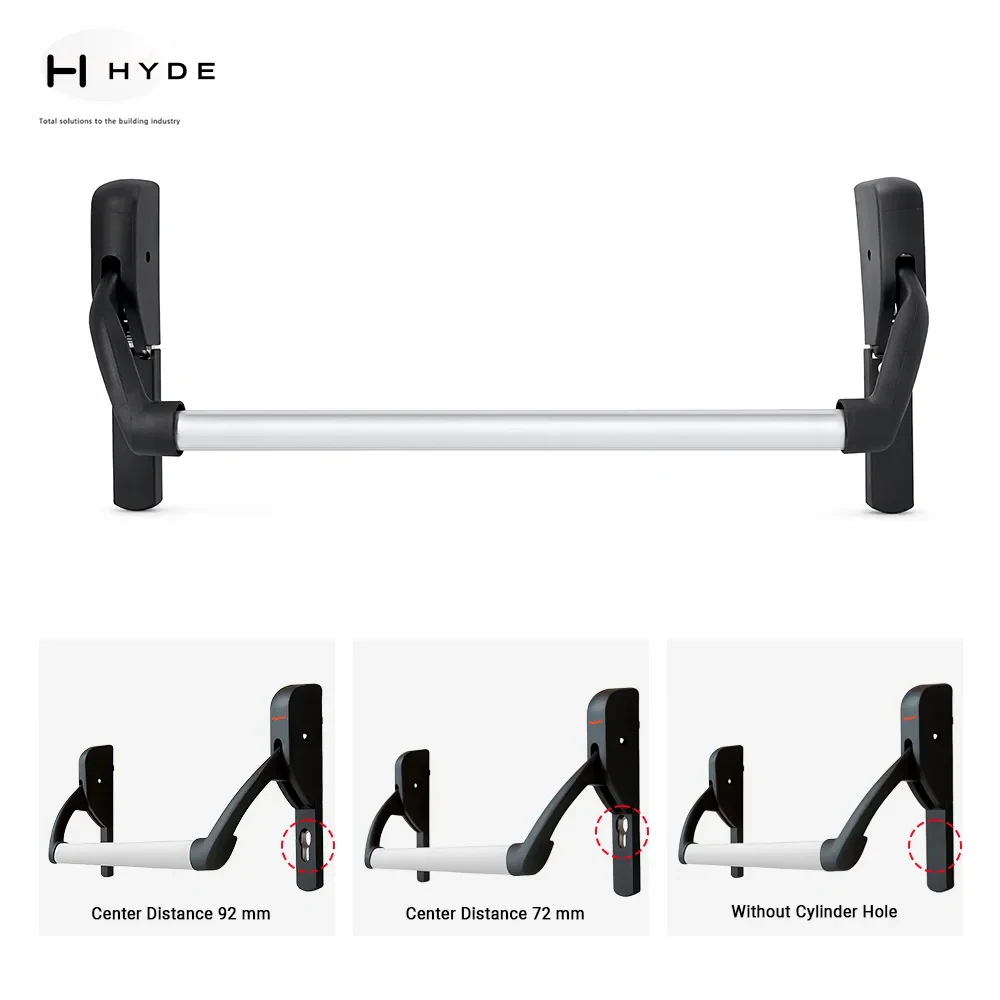
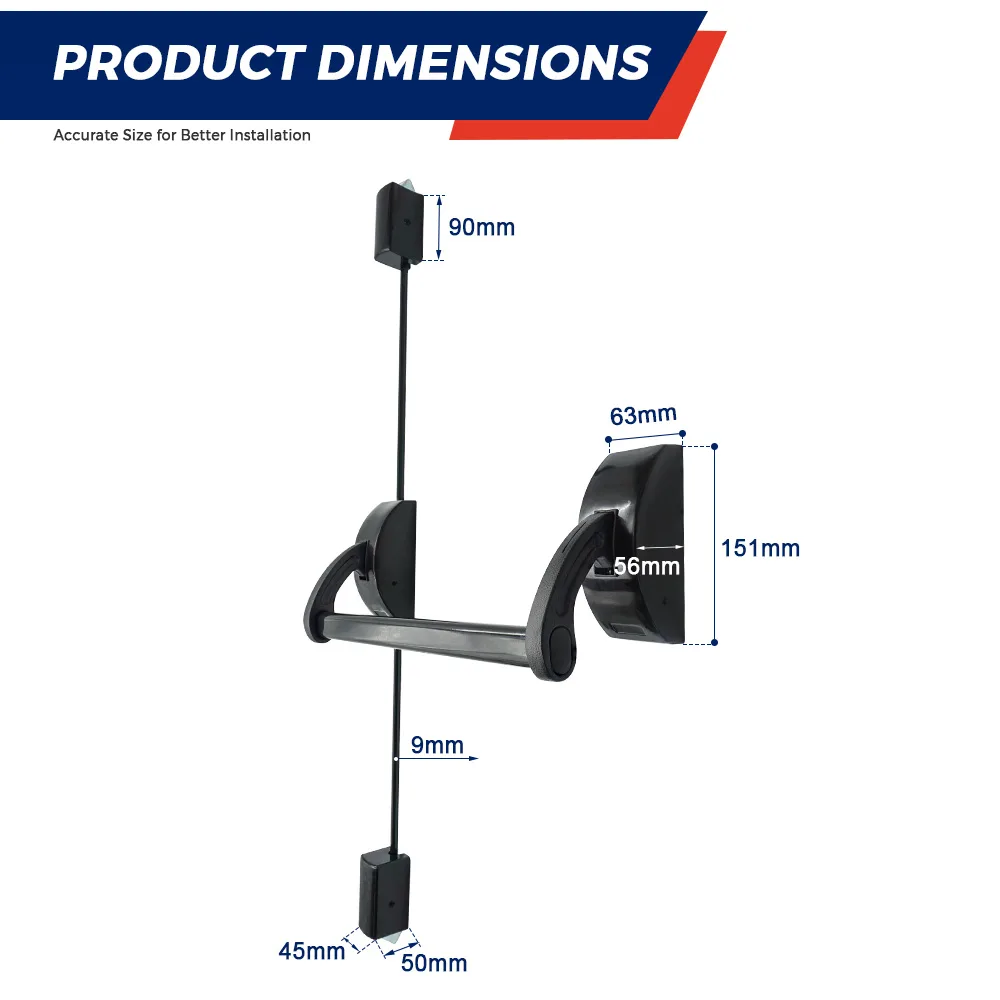
Two European standards cover escape hardware and they are chosen by who uses the building, not by how important the door is. This page explains what separates EN 1125 from EN 179, gives the occupancy test that decides between them, decodes the classification digits, lists the three mistakes that produce a non-compliant opening, and states what our own exit range does and does not hold.
Specifiers ask for a conversion table between EN and ANSI/BHMA door hardware standards. What exists is a scope map, not an equivalence: the two systems classify different properties, and a product certified to one carries no automatic claim under the other. This page sets out which standard covers which product family on each side, what each one measures, and the four places the mapping genuinely breaks.
A euro cylinder is described by two numbers, and getting them the wrong way round is the commonest ordering error in door hardware. This is the full size chart to EN 1303 and DIN 18252 geometry, the nine overall lengths we publish, the split combinations that add up to each one, and the measurement that decides which you need.
An exit device has two halves and only one of them is a decision. The bar inside always lets people out; the trim outside decides who gets in, whether the door can be held unlocked during business hours, and whether the opening still complies in a fire. This page compares every outside trim function, sets out the dogging rules including the one that is absolute on fire doors, and counts how many of our own fifteen trims publish their function.
A finish code on a purchase order decides what arrives, and four pairs of codes in common use are reversals of each other. This is the reference: the 23 codes our catalog uses, how they line up with BHMA 600-series and US26x numbers, the pairs that get transposed, and a count of how inconsistently our own catalog spells them.
A fire door is not a product; it is a tested assembly, and every item fixed to it is part of what was tested. This page lists the components that must be rated, explains the difference between EN 1634-1 and UL 10C / NFPA 252 including the hose stream test that only one of them has, sets out what a certificate actually covers, and states plainly which of our own products do and do not carry a fire rating today.
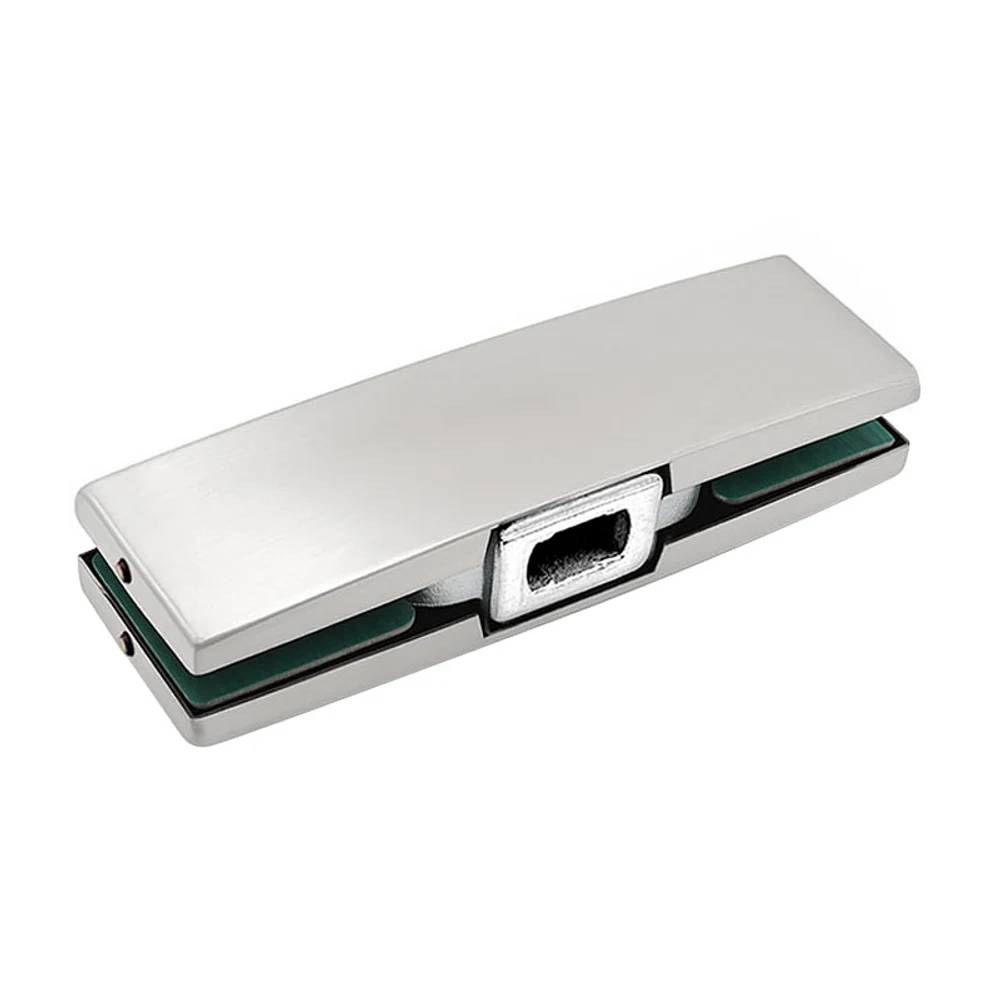
Glass door hardware is the only category where getting the sequence wrong destroys the door rather than delaying it. This page gives the glass thickness ranges our fittings actually accept, explains the glass gap dimension and the corner radius on a cut-out, sets out why every hole must be made before toughening, and lists what has to be on the glass shop drawing before anybody orders anything.
On a refurbishment the drawings are a record of what was intended, not of what is on the doors. This page gives the fourteen fields worth recording per leaf, separates the ones you can capture from the corridor from the ones that need a screwdriver, sets out a sampling rule by door type, and shows how the survey becomes an order.
A warranty is read as a number of years and decided by its exclusions. This page separates warranty from guarantee from statutory rights, lists the five exclusions that defeat most claims, explains why installation and cleaning are where liability actually lands, sets out what a claim needs to succeed, and says what a factory can honestly promise about a part it will never see again.
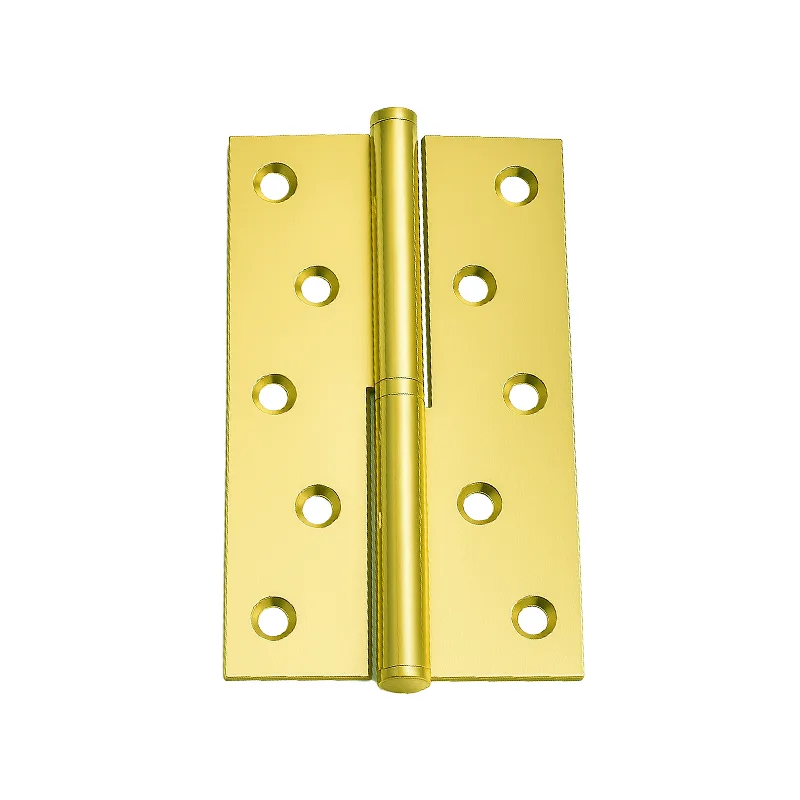
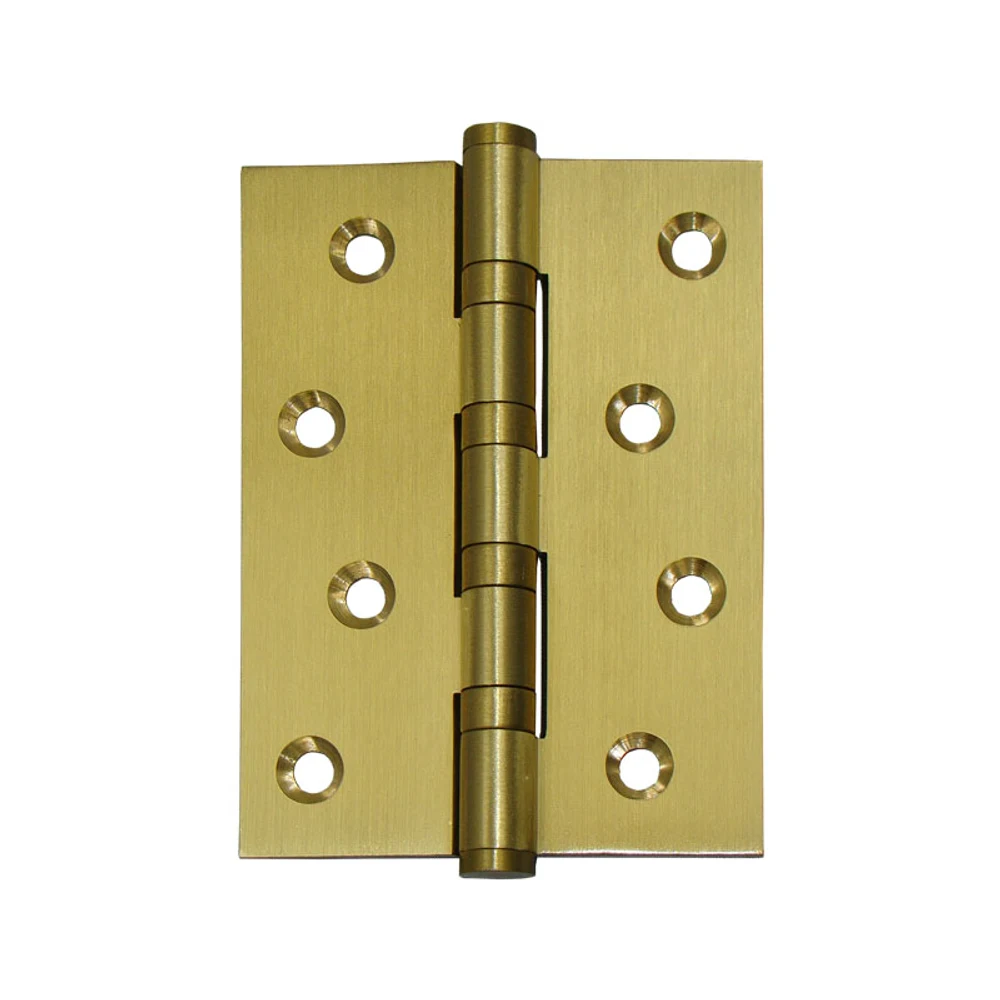
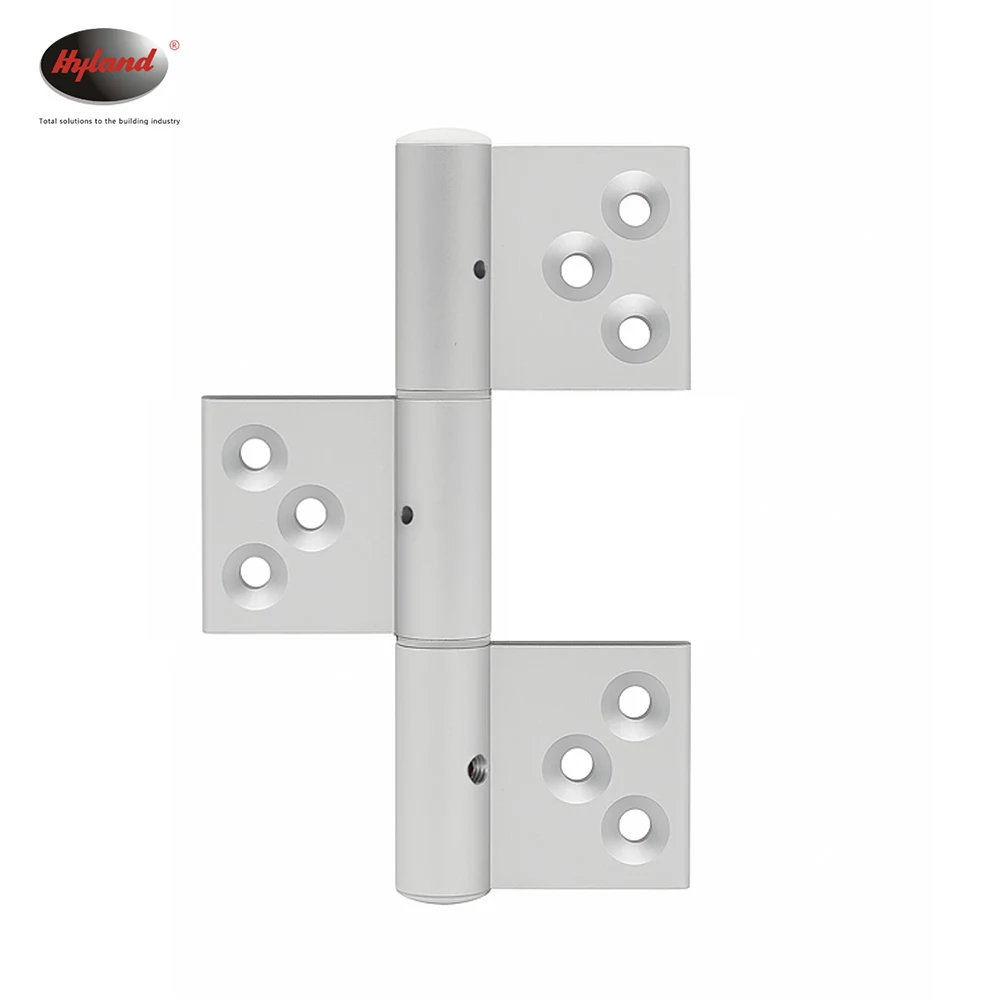
Two questions decide a hinge specification: what grade, and how many. EN 1935 answers the first with grades 1 to 14 tied to a tested door mass; ANSI/BHMA A156.1 answers it with a weight class and a frequency. Neither answers the second, which is governed by leaf height and mass. This page sets out both ladders, the count rule, and the three failure modes that come from getting the count right and the grade wrong.
A key that enters a lock and a key that turns it are two different achievements, and the difference is the keyway. This page explains what a blank and a profile are, separates open from restricted from patented keyways, is precise about what each one stops and what it does not, explains why a patent expiring changes the security of a building that was specified years earlier, and lists what a buyer has to decide before a master key system can be cut.
A straight lever handle looks cleaner than a returned one and is rejected on most commercial specifications, for a reason that has nothing to do with taste. This page explains what lever return is, the safety and accessibility requirements behind it, why a knob fails accessibility where a lever passes, and how to read the eight fields of an EN 1906 handle classification instead of quoting only the first one.
A master key system is designed once and lived with for twenty years, and almost every system that runs out of room ran out for the same two reasons: too many levels for the building, and cross-keying granted door by door as favors. This page sets out the hierarchy, explains why every master level and every cross-key consumes capacity from a finite pool, and gives the questions to answer before a single cylinder is cut.
"Send the material certificate" means four different documents, and the difference between them is who signed it and whether the test was on your metal. This page sets out the EN 10204 document types, explains heat numbers and where the chain of custody genuinely breaks in small hardware, separates material traceability from RoHS and REACH compliance, and says which of these a door hardware factory can honestly provide.
A buyer asks for a minimum order quantity and gets a range, which reads as evasion and is not. This page explains the four things that actually set an MOQ (the finish batch, the tooling, the packaging and the model's own production run) why our published range runs from 300 to 5,000 pieces, what the 30-day lead time is actually counting, and the three decisions a buyer can make that move all of these in their favor.
A RAL number names a color and nothing else, not gloss, not texture, not process, not durability. This page explains what RAL specifies and what it leaves open, why pretreatment decides whether a coating survives, where powder coating fails on hardware geometry, which tests are worth citing, and the four lines that make a finish orderable.
Three kinds of company answer a hardware inquiry and all three will say yes. This page explains what a factory, a trading company and a broker each actually control, gives five questions whose answers separate them without anybody having to be confronted, lists what can be verified independently, and applies the whole test to us.
A sample is the cheapest place to discover that a supplier understood something differently from how you meant it. This page sets out the three kinds of sample and which one to ask for, the golden sample procedure that makes a sample enforceable instead of decorative, exactly what to measure when one arrives, the three properties a sample genuinely cannot demonstrate, and how to write an inspection standard that a third-party inspector can apply without calling you.
A door hardware specification is a three-part document with a fixed shape, and most of the money lost on a hardware package is lost by putting the right sentence in the wrong part. This page sets out what belongs in Part 1, Part 2 and Part 3, shows how a hardware set is written so a factory can quote it without a phone call, and names the four clauses that quietly decide the price.
The spindle is the cheapest part of a door handle set and the one that most often makes a shipment unusable. Three numbers decide whether a handle will turn a lock: the square size, the spindle length, and whether the spindle is solid or split. This page sets out all three, gives the length formula, and shows what our own catalog actually publishes.
201, 304 and 316 look identical in the hand and behave very differently on a building. This page sets out what separates them chemically, where each belongs, what the cost difference actually is, and then does the uncomfortable part, counts how many of our own 313 stainless products name a grade at all, and explains why a specification that says "304/201" has answered nothing.
The strike is the cheapest component in a door opening and the one that decides whether the lock ever latches properly. This page sets out the two standard North American strike sizes, the European keep conventions, how to work out lip length instead of guessing it, the difference between square and radius corners, and why a security upgrade that stops at the lock has upgraded nothing.
A hardware submittal is rejected for the same handful of reasons on almost every project, and none of them is the hardware. This page lists what a complete package contains, names the four omissions that send it back, explains the difference between a product datasheet and evidence, sets out who signs what, and states plainly which of these documents we publish, which we supply on request, and which we do not have at all.
Asking a hardware factory for "the CAD" produces a different file in every country, and half the time the file you get cannot do the job you wanted it for. This page separates the three kinds of drawing that answer three different questions, compares the formats and what each one is really for, explains why a 3D solid often does not exist even at a competent factory, and states our own drawing coverage as a number rather than a promise.
"Universal" means three different things in a hardware catalog and only one of them means you can stop thinking about handing. This page separates non-handed from field-reversible from factory-handed, names the four products that are handed when people assume they are not, explains what reversing actually does inside a lock, and gives the line to put on an order so the question never arrives.
Zinc alloy is the second most common material in our catalog and the one buyers are most suspicious of, usually for reasons that describe bad castings rather than the material. This page explains what zamak is, what die casting is genuinely good at, the four distinct ways a poor zinc part fails, where zinc should never be used at all, and what to ask a factory so the answer means something.