
India HSN Codes for Door Hardware 2026: Every Eight-Digit Tariff Item Under 8301 and 8302, and How Locks, Hinges and Closers Are Classified
India classifies door hardware with eight-digit tariff items, the same digits that appear as the HSN code on a GST invoice. Locks and keys are heading 8301; hinges, handles, bolts and other building fittings are 8302, and so are automatic door closers, which have their own item, 8302 60 00. Hinges split by material: steel 8302 10 10, brass 8302 10 20, other 8302 10 90. This page lists every item under both headings as printed in the CBIC tariff, places our product categories against them, and explains how to find the duty that applies without trusting a rate copied from somewhere else.

Johnson LiuDigital Communications, Canton HylandMA Digital Media, Johns Hopkins University
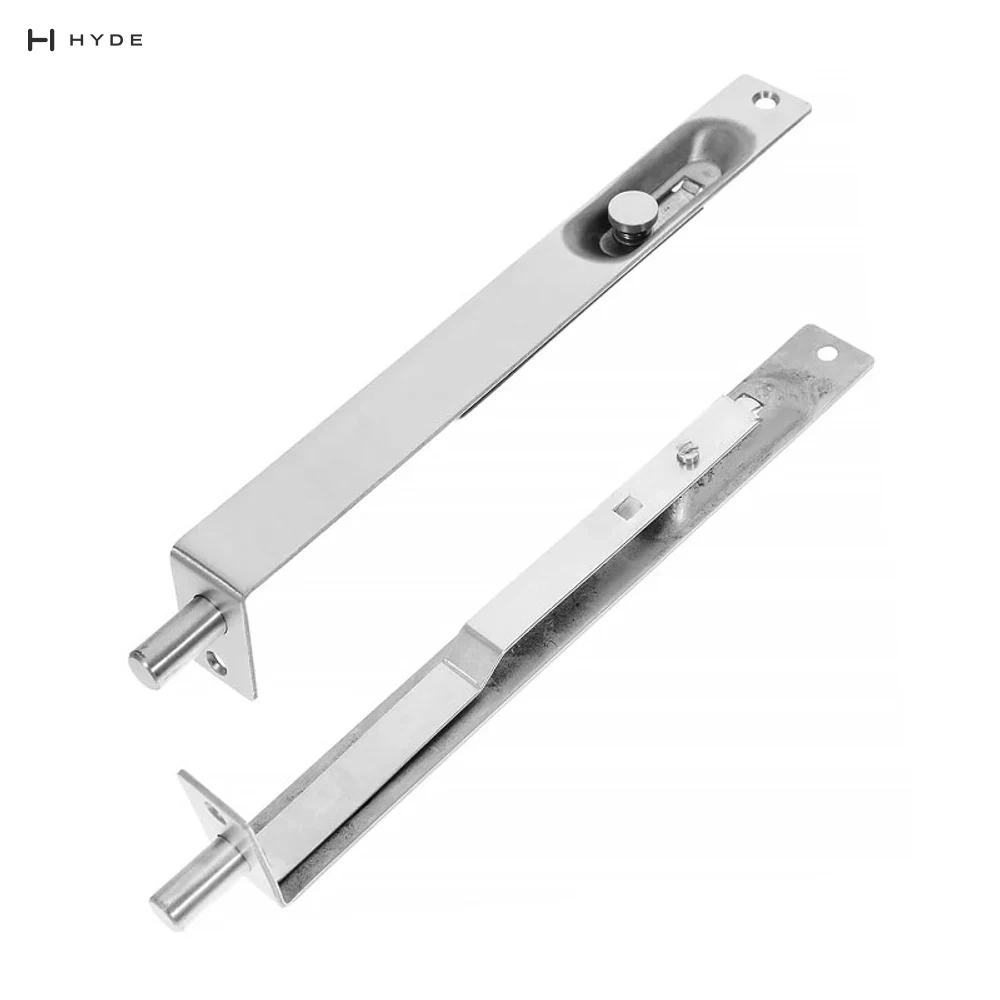
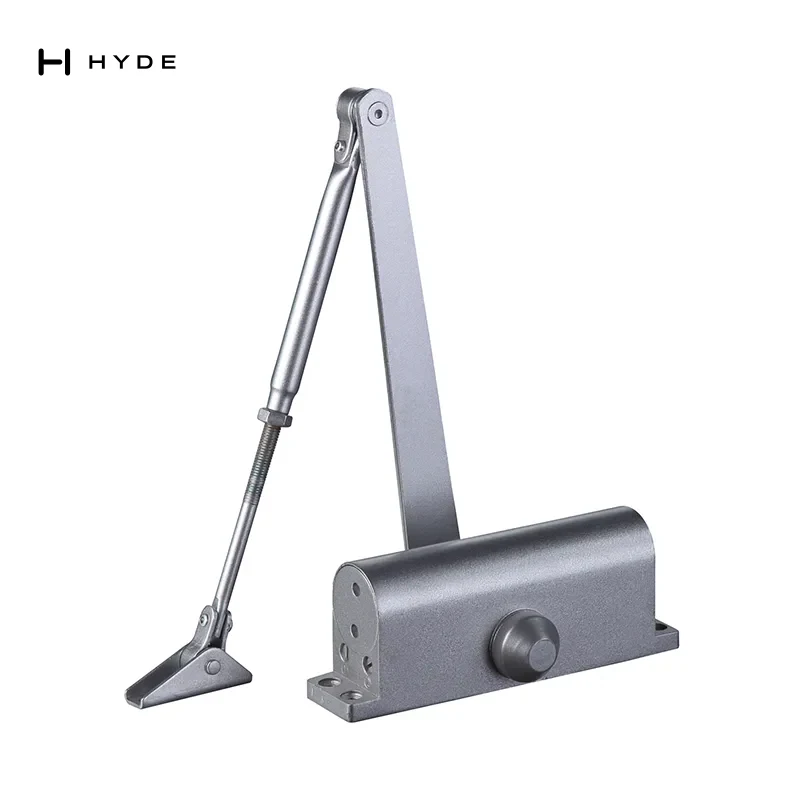
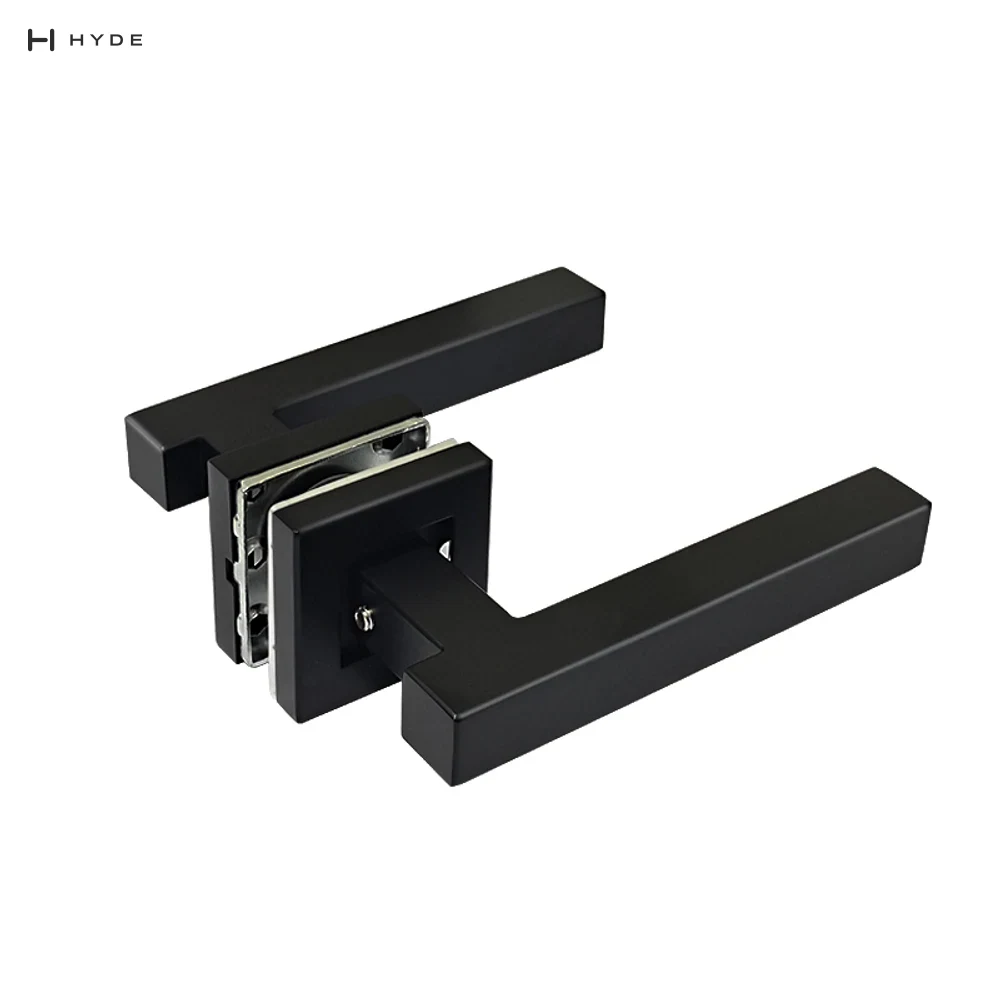
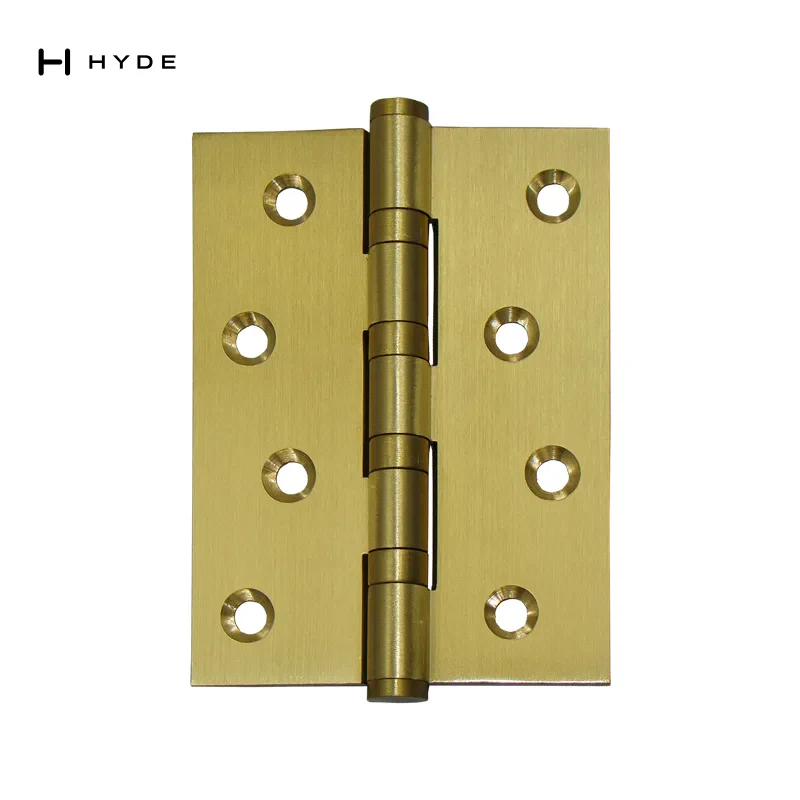
India classifies imports with an eight-digit tariff item, and the same eight digits appear as the HSN code on GST invoices. For door hardware almost everything lands in two headings of Chapter 83 of the Customs Tariff: 8301 for locks and keys, and 8302 for mountings and fittings, a heading whose Indian text also names automatic door closers.
Our general HS code guide covers the six digits every country shares. This page covers the two digits India adds, lists every eight-digit item under both headings, and shows where our own product categories fall.
Where the codes on this page come from
Every code and description below was checked on 19 October 2026 against Chapter 83 of the Customs Tariff of India, the First Schedule to the Customs Tariff Act, 1975, in the edition CBIC lists as "Tariff (as on 30.06.2025)". The tariff is amended by each Finance Act and by notifications, so check the current edition before you file. A code that was right on your last shipment is not evidence that it is right on this one.
We do not quote duty rates here. The rate printed in the schedule is a starting point, not what an importer pays: notifications can reduce it, and surcharges and IGST are added on top. How to find the figure that applies is set out further down.
The eight-digit items under 8301
Scroll sideways to compare columns. Select a column heading to sort; select it three times to restore source order.
| 8301 10 00 | Padlocks | padlocks |
|---|---|---|
| 8301 20 00 | Locks of a kind used for motor vehicles | none |
| 8301 30 00 | Locks of a kind used for furniture | cabinet and drawer locks |
| 8301 40 10 | Other locks: combination locks | combination locks |
| 8301 40 90 | Other locks: other | mortise lock cases, rim locks and night latches, cylindrical and tubular locksets, deadbolts |
| 8301 50 00 | Clasps and frames with clasps, incorporating locks | rarely door hardware |
| 8301 60 00 | Parts | parts of locks shipped on their own |
| 8301 70 00 | Keys presented separately | key blanks and keys shipped without their locks |
8 rows · Source order
Two lines deserve a note. 8301 40 90 is where most door locks go, and it is an "other" line: India does not split door locks any further, so a mortise lock case, a rim night latch and a keyed tubular lockset share it. And 8301 70 00 applies only to keys presented separately. Keys packed with the lock they operate travel with the lock.
The eight-digit items under 8302
Scroll sideways to compare columns. Select a column heading to sort; select it three times to restore source order.
| 8302 10 10 | Hinges: of steel | steel and stainless steel hinges |
|---|---|---|
| 8302 10 20 | Hinges: of brass | brass hinges |
| 8302 10 90 | Hinges: other | zinc alloy, aluminum and other hinges |
| 8302 20 00 | Castors | none |
| 8302 30 10, 8302 30 90 | Mountings and fittings suitable for motor vehicles | none |
| 8302 41 10 | Suitable for buildings: fittings for doors and windows | lever and pull handles sold without a lock, flush bolts, door stops |
| 8302 41 20 | Suitable for buildings: tower bolts | tower bolts |
| 8302 41 90 | Suitable for buildings: other | building fittings that are neither door or window fittings nor tower bolts |
| 8302 42 00 | Other, suitable for furniture | furniture fittings |
| 8302 49 00 | Other | fittings suitable for neither buildings nor furniture |
| 8302 50 00 | Hat-racks, hat-pegs, brackets and similar fixtures | coat hooks and brackets |
| 8302 60 00 | Automatic door closers | overhead door closers |
12 rows · Source order
The hinge split is by material, and it is the line most worth getting right. A stainless steel hinge is a hinge of steel, 8302 10 10. A brass hinge is 8302 10 20. A hinge of zinc alloy or aluminum falls to 8302 10 90. A hinge of two materials needs a decision about which one gives it its character, and that decision belongs to the importer, written down, before the bill of entry is filed.
India also separates tower bolts, 8302 41 20, from other door fittings. A flush bolt set into the edge of a door is not a tower bolt because both have the word bolt in their names. Classify by what the article is, not by what the catalog calls it.
How to decide: lock, fitting or closer
Chapter 83 asks three questions, in this order.
Does the article lock? Heading 8301 covers locks that are key, combination or electrically operated. A lock case, a cylinder lock, a deadbolt and a night latch lock the door, so they are 8301 even though they are also fitted to a door. A passage latch with no locking function is a different case, and a question to put to your broker rather than an assumption.
If it does not lock, is it a mounting or fitting? Hinges, handles, bolts and door stops of base metal are 8302, and within it the building lines of 8302 41, unless the tariff names them more precisely. Two door products are named precisely: hinges have their own subheading, 8302 10, and automatic door closers have theirs, 8302 60 00. A closer declared as a building fitting under 8302 41 is in the right heading and the wrong item.
Is it a part? Note 1 to Chapter 83 says parts of base metal are classified with their parent articles, so a spare lock body shipped on its own is a part of a lock, 8301 60 00. The same note keeps screws and springs out: articles of headings such as 7318 (screws and bolts) and 7320 (springs) are not treated as parts of Chapter 83 goods, and are classified under their own headings when they are shipped on their own.
Our categories, line by line
Scroll sideways to compare columns. Select a column heading to sort; select it three times to restore source order.
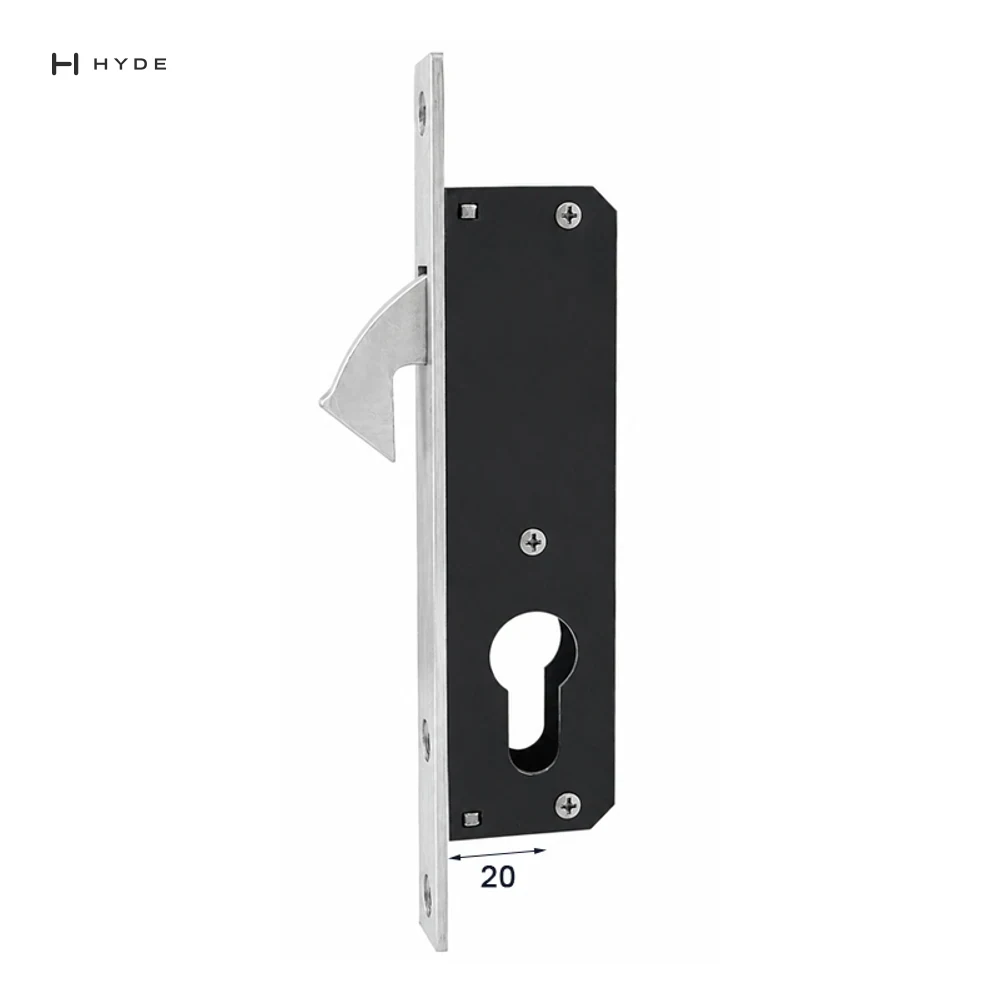
| Lock cases | LC15, a narrow-stile lock case with a hook bolt | 8301 40 90 | whether your broker treats a case shipped without its cylinder as a lock or as a part, 8301 60 00 |
|---|---|---|---|
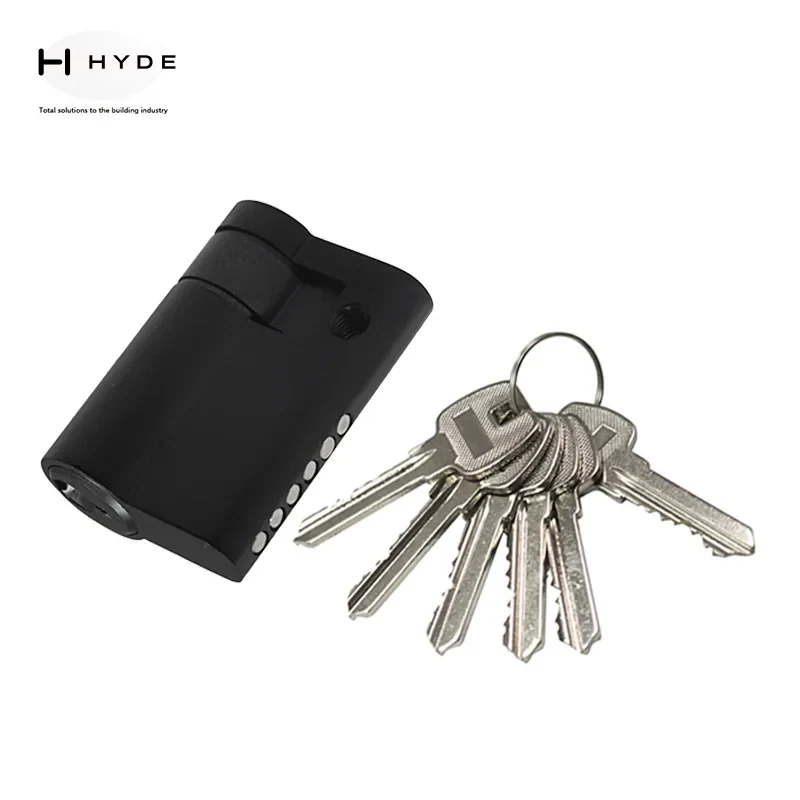
| Lock cylinders | 45BN, a 45mm solid brass cylinder | 8301 40 90 or 8301 60 00 | whether a cylinder on its own is declared as a lock or as a part of one; practice varies, so ask before the first shipment |
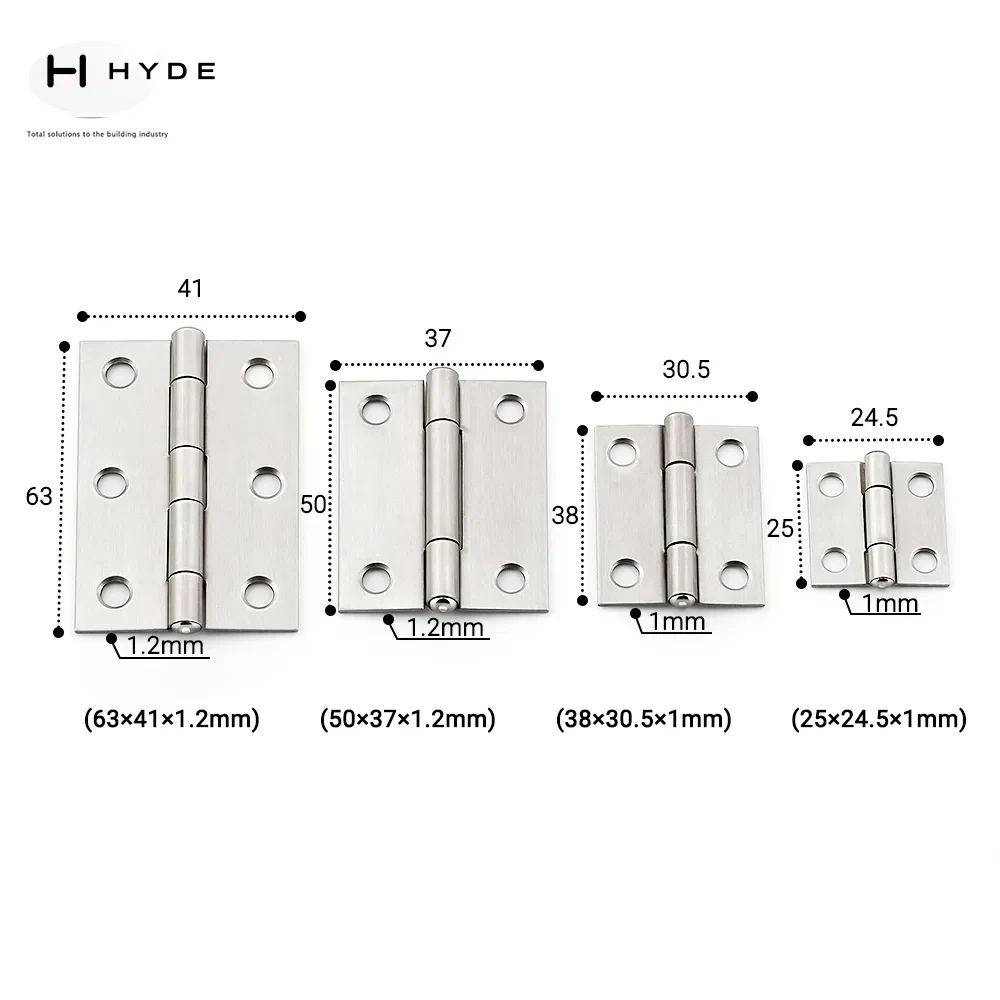
| Hinges | B024 (brass), SSH011 (304 stainless steel) | 8302 10 20; 8302 10 10 | the material on the invoice must match the item |
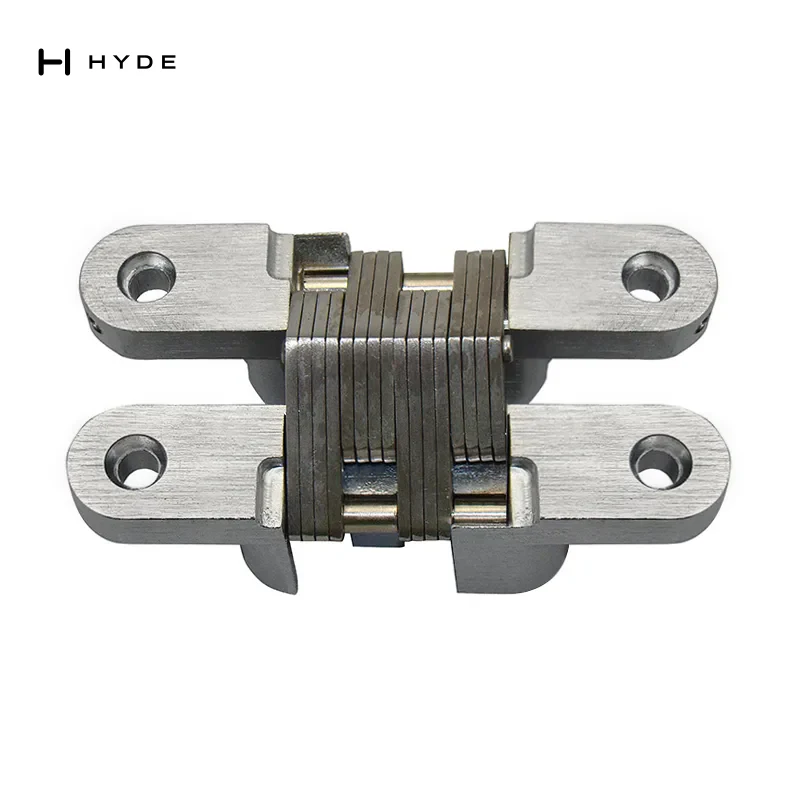
| Hinges of two materials | CH01, zinc alloy and 304 stainless steel | 8302 10 10 or 8302 10 90 | which material gives the hinge its character |
| Flush bolts | FB001, a lever-action flush bolt in zinc alloy | 8302 41 10 | it is not a tower bolt |
| Door closers | JU-061, an aluminum overhead closer | 8302 60 00 | the arm and brackets shipped in the same box go with the closer |
| Handles | 069, a stainless steel handle | 8302 41 10 for a door; 8302 42 00 for furniture | the use the handle is put up for |
7 rows · Source order
Locksets sold with their handles are a common question. When a lock and its trim are put up together as a set, classification generally follows the component that gives the set its essential character, which for a lockset is the lock. When they are invoiced as separate lines, each line is classified on its own.
Panic exit devices are not named anywhere in Chapter 83. A device that latches the door has a case for 8301, a bar that only operates someone else's lock has a case for 8302, and the line between them is a question for an advance ruling rather than a guess.
Finding the duty rate that applies
The rate column in the schedule is the Basic Customs Duty before notifications. To reach the figure for a shipment:
1. Look up the tariff item in the current CBIC tariff. 2. Check the exemption notifications for that item, chiefly Notification 50/2017-Customs as amended, and any trade agreement notification if the goods qualify with a certificate of origin. 3. Check Part V of the CBIC tariff, which lists anti-dumping duty notifications, for your product and its country of origin. 4. Add the Social Welfare Surcharge, which is calculated on the customs duty. 5. Add IGST at the rate the GST rate notifications set for that HSN.
Your customs broker's filing system works from the same tariff and notifications and will show the duty it calculates; ask for that calculation before the goods ship, not after they land. Import policy is a separate check. DGFT's ITC(HS) Schedule I sets import conditions by the same eight digits, so read it for your item as well.
Getting an answer that binds
A broker's opinion does not bind customs. India's Customs Act, 1962 provides for advance rulings, issued by the Customs Authority for Advance Rulings. The application describes the product, its material and its use, and the ruling binds the applicant and customs for that product. For a product you will import repeatedly, a ruling is cheaper than a dispute.
What we put on our documents
We state the six-digit HS subheading on commercial invoices and packing lists, because that part is international and we can stand behind it. We do not state India's eight-digit item unless the importer tells us which one to use, because the importer of record answers for the classification. If you send us your item, we will print it.
Material, country of origin and net and gross weights are on the same documents, because in India, as everywhere, a classification question is often really a material question: the hinge lines turn on nothing else.
Questions this answers
What is the HSN code for door hinges in India?
Hinges are subheading 8302 10, split by material into three tariff items: 8302 10 10 for hinges of steel (stainless steel included), 8302 10 20 for hinges of brass, and 8302 10 90 for hinges of other materials such as zinc alloy or aluminum.
What is the HSN code for door locks in India?
Heading 8301. Most door locks, including mortise lock cases, rim locks, night latches, tubular and cylindrical locksets and deadbolts, fall under 8301 40 90, other locks. Padlocks are 8301 10 00, furniture locks 8301 30 00, combination locks 8301 40 10, parts 8301 60 00 and keys presented separately 8301 70 00.
Is a door closer classified under 8301 or 8302?
Under 8302. India's tariff names automatic door closers in the text of heading 8302 and gives them their own item, 8302 60 00. A closer does not lock, so it is not 8301, and it is not a general building fitting under 8302 41 because it has its own item.
Is the HSN code on a GST invoice the same as the customs tariff item?
They use the same nomenclature, so the eight digits of the customs tariff item are the HSN code. How many digits a GST invoice must show depends on the GST rules that apply to the supplier, so check those separately.
What is the import duty on door hardware in India?
We do not quote one, because the figure depends on the tariff item, the exemption notifications in force, any anti-dumping duty on the product and its origin, the Social Welfare Surcharge and IGST. Look up the item in the current CBIC tariff and ask your customs broker for the calculated duty before the goods ship.
Is a flush bolt a tower bolt for customs purposes?
Not because of its name. India has a separate item for tower bolts, 8302 41 20, and a flush bolt set into the door edge is normally a fitting for doors, 8302 41 10. Classify by what the article is, and get an advance ruling if the line is unclear.
Related products
- SSH011 — Brass and Steel Hinges
- CH01 — Brass and Steel Hinges
- FB001 — Door Flush Bolt
- JU-061 — Door Closer
- 069 — Stainless Steel Handle
■ End of guide. Updated .