
How to Read EN Classification Codes Digit by Digit: EN 1906, EN 12209, EN 1154, EN 1935 and EN 1303
EN hardware standards classify a product with a row of positions, not one grade: 8 for EN 1906 lever handles, 11 for EN 12209 locks, 6 for EN 1154 closers, 8 for EN 1935 hinges and 8 for EN 1303 cylinders. This quick reference explains every position with one table per standard and an illustrative worked example.

Johnson LiuDigital Communications, Canton HylandMA Digital Media, Johns Hopkins University
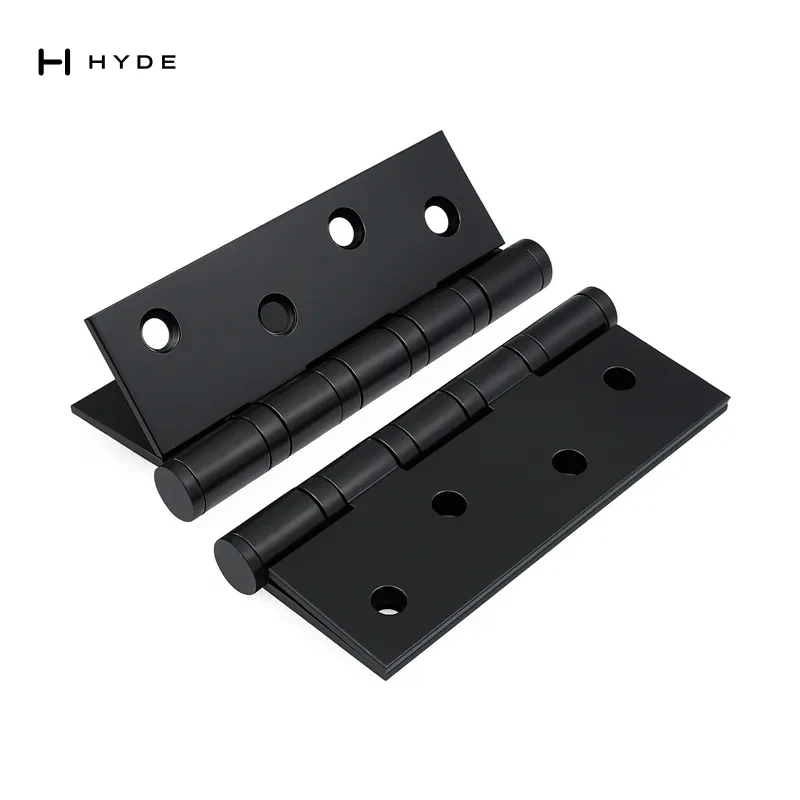
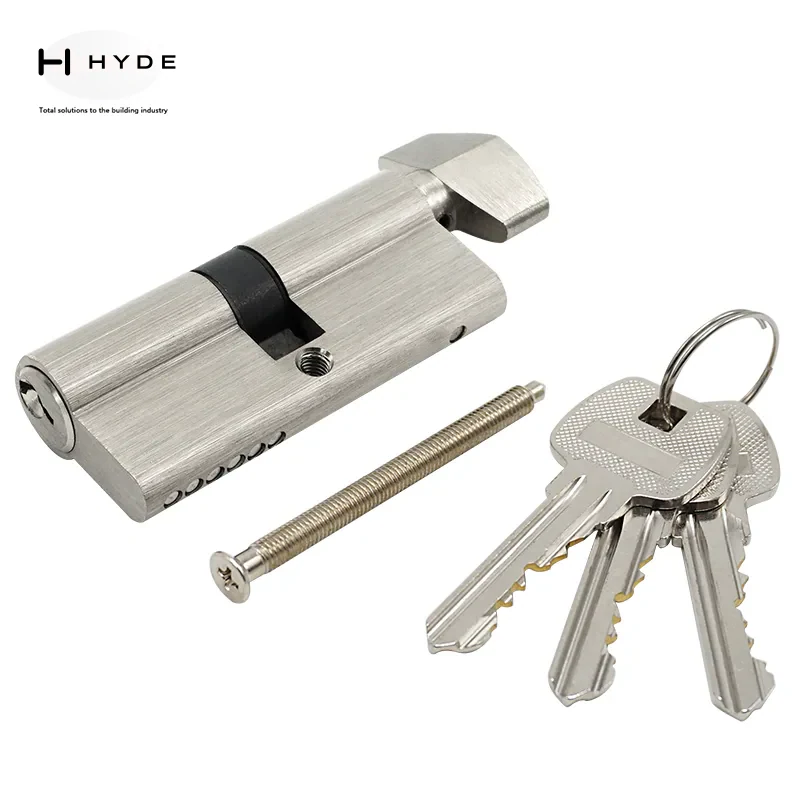
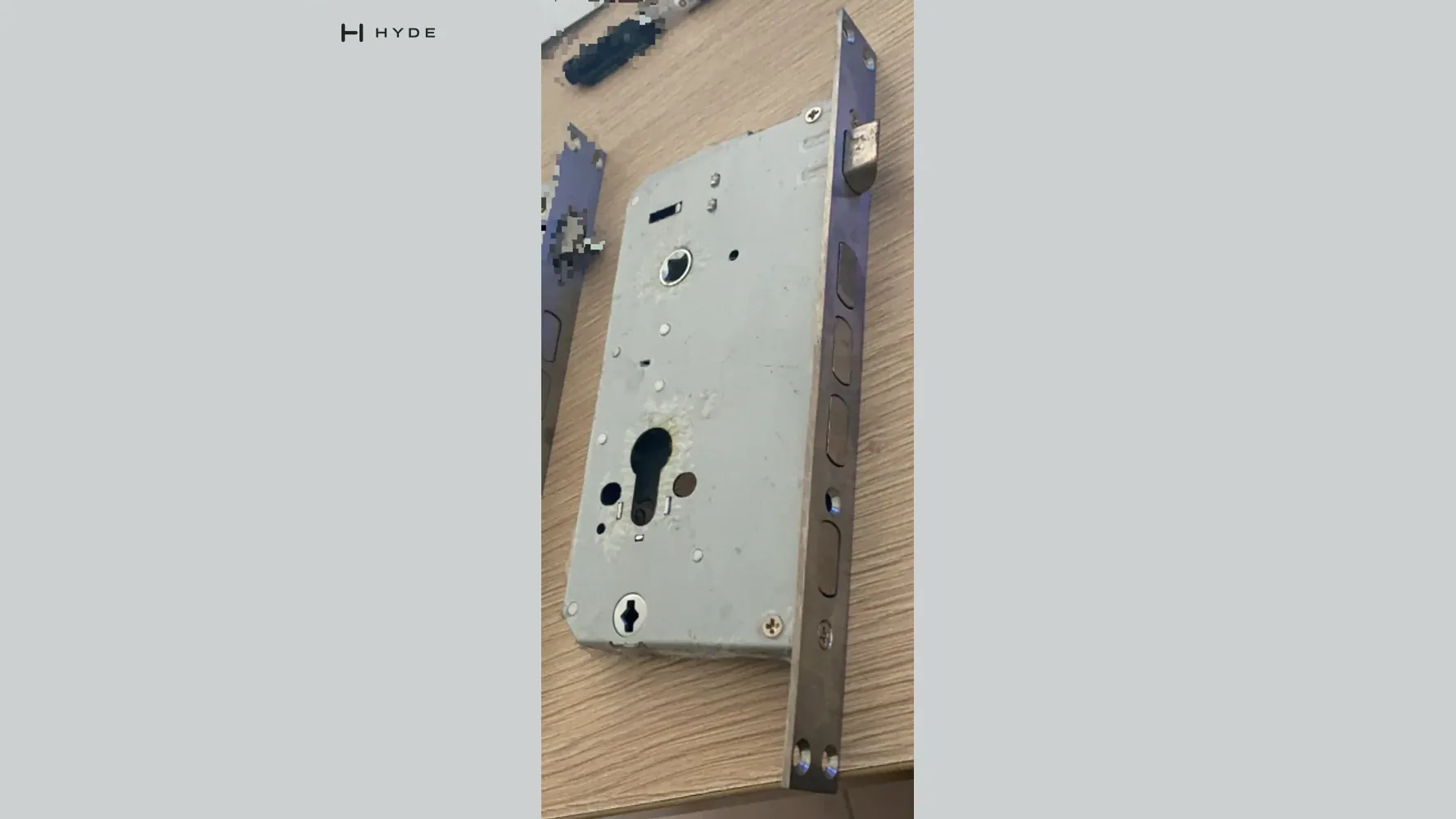
An EN classification code is a row of positions, not a single grade: EN 1906 lever handles carry 8 positions, EN 12209 locks 11, EN 1154 door closers 6, EN 1935 hinges 8 and EN 1303 cylinders 8. Each position answers one question, so the code is read one position at a time against the standard's own table.
The shortcut is that the first six positions ask the same questions in the same order in all five standards: category of use, durability, a door-mass position, fire door suitability, safety and corrosion resistance. Only the positions after that are specific to the product. Every code in this article is an illustrative example written to show the reading; none describes one of our products, and our product records publish no EN classification.
The five standards side by side
Scroll sideways to compare columns. Select a column heading to sort; select it three times to restore source order.
| 1 | Category of use | Category of use | Category of use | Category of use | Category of use |
|---|---|---|---|---|---|
| 2 | Durability | Durability | Durability | Durability | Durability |
| 3 | Door mass | Door mass and closing force | Power size | Test door mass | Door mass |
| 4 | Fire/smoke door suitability | Fire/smoke door suitability | Fire door suitability | Fire door suitability | Fire door suitability |
| 5 | Safety | Safety | Safety | Safety | Safety |
| 6 | Corrosion resistance | Corrosion resistance and temperature | Corrosion resistance | Corrosion resistance | Corrosion resistance and temperature |
| 7 | Security | Security and drill resistance | — | Security | Key-related security |
| 8 | Type of operation | Field of door application | — | Hinge grade | Attack resistance |
| 9 | — | Type of key operation and locking | — | — | — |
| 10 | — | Type of spindle operation | — | — | — |
| 11 | — | Key identification | — | — | — |
11 rows · Source order
Three of the shared positions mean the same thing everywhere. Durability is a test-cycle count expressed as a grade, so the digit is a key to a number, not the number itself. The fire position says whether the product was assessed for use on a fire or smoke door, and 0 means it was not; it describes the hardware's suitability, while the fire resistance of the door is tested on the whole door assembly under EN 1634-1. The corrosion position refers to EN 1670, the salt-spray classification that our corrosion guide covers.
EN 1906: lever handles and knob furniture
Scroll sideways to compare columns. Select a column heading to sort; select it three times to restore source order.
| 1 | Category of use | 1 to 4, from low-frequency use by people who take care of the door to heavy public use where it may be treated roughly |
|---|---|---|
| 2 | Durability | 6 = 100,000 test cycles, 7 = 200,000 test cycles |
| 3 | Door mass | Not graded for handle furniture; printed as a dash |
| 4 | Fire/smoke door suitability | 0 = not for fire or smoke doors; any other value = assessed as suitable |
| 5 | Safety | Whether the safety-in-use requirements are met |
| 6 | Corrosion resistance | EN 1670 grade, 0 to 5 |
| 7 | Security | 0 = no burglar-resistance claim; higher values for handles on burglar-resistant doors |
| 8 | Type of operation | A = spring-assisted, B = preloaded spring, U = unsprung; the definitions vary slightly between editions |
8 rows · Source order
Worked example: a lever classified 3 7 - 1 1 4 0 A reads as category of use 3, 200,000 test cycles, no door-mass grade, suitable for fire or smoke doors, safety 1 (the safety requirements are met), corrosion grade 4, no security claim, and a spring-assisted handle. EN 1906 has been published in 2002, 2010 and 2012 editions whose grade definitions differ, so the code should travel with its year. Our guide on lever return covers the safety and category fields in more depth.
EN 12209: mechanically operated locks, latches and locking plates
Scroll sideways to compare columns. Select a column heading to sort; select it three times to restore source order.
| 1 | Category of use | 1 to 3, rising with how heavily and how carelessly the door is used |
|---|---|---|
| 2 | Durability | A letter grade; in recent editions the letters step from 50,000 to 200,000 test cycles |
| 3 | Door mass and closing force | One grade combining the tested door mass and the force needed to close the door against the latch |
| 4 | Fire/smoke door suitability | 0 = not suitable, 1 = suitable |
| 5 | Safety | Whether the lock meets the safety requirements |
| 6 | Corrosion resistance and temperature | One code combining neutral salt-spray resistance with an operating temperature range |
| 7 | Security and drill resistance | The ladder tops out at 7; higher grades demand a longer deadbolt throw (20 mm at the top) and a higher side load, and some add a drilling test |
| 8 | Field of door application | Whether the lock is mortised or surface-mounted, and for which kind of door |
| 9 | Type of key operation and locking | How the lock is locked, and by what kind of key operation |
| 10 | Type of spindle operation | How the handle and its spindle act on the latch and bolt |
| 11 | Key identification | How many differs the key system offers, and for lever locks the number of levers |
11 rows · Source order
Worked example: a lock case classified 3 C 6 1 0 C 4 B 0 2 0 reads as category of use 3, a durability letter (the cycle count each letter stands for is in the edition's table), door mass and closing force grade 6, suitable for fire or smoke doors, safety 0, corrosion and temperature code C, security grade 4, then field of door application B, key operation 0, spindle operation 2 and key identification 0. Positions 6 and 8 to 11 only mean something against the table of the edition named on the report, and a 2024 edition has replaced the 2016 one. Note also that one door usually needs three codes: a mortise lock with a lever and a euro cylinder is classified as three products, the case under EN 12209, the handle under EN 1906 and the cylinder under EN 1303, and the case's security grade does not cover a cylinder that can be attacked from outside.
EN 1154: door closers
Scroll sideways to compare columns. Select a column heading to sort; select it three times to restore source order.
| 1 | Category of use | 3 = closes the door from at least 105° open; 4 = closes it from 180° |
|---|---|---|
| 2 | Durability | 8 = 500,000 test cycles |
| 3 | Power size | 1 to 7, chosen from door width and mass; an adjustable closer is quoted as a range, such as 2–5 |
| 4 | Fire door suitability | 0 = not suitable, 1 = suitable; sizes 1 and 2 are not for fire doors |
| 5 | Safety | 1 |
| 6 | Corrosion resistance | EN 1670 grade |
6 rows · Source order
Worked example: a closer classified 4 8 4 1 1 3 reads as closing from 180°, 500,000 test cycles, power size 4, suitable for fire doors, safety 1 and corrosion grade 3. Position 3 is the one buyers select by: power size 4 covers a leaf up to 1100mm wide and 80 kg. Our guide on closer power sizes has the full size table and the method for choosing from the door.
EN 1935: single-axis hinges
Scroll sideways to compare columns. Select a column heading to sort; select it three times to restore source order.
| 1 | Category of use | 1 to 4 |
|---|---|---|
| 2 | Durability | 3 = 10,000 cycles (windows only), 4 = 25,000 cycles, 7 = 200,000 cycles |
| 3 | Test door mass | 0 = 10 kg, 1 = 20 kg, 2 = 40 kg, 3 = 60 kg, 4 = 80 kg, 5 = 100 kg, 6 = 120 kg, 7 = 160 kg |
| 4 | Fire door suitability | 0 = not suitable, 1 = suitable |
| 5 | Safety | 1 |
| 6 | Corrosion resistance | EN 1670 grade |
| 7 | Security | 0 = not suitable for burglar-resistant doors, 1 = suitable |
| 8 | Hinge grade | 1 to 14, summarizing the positions above; door hinges at 200,000 cycles run from grade 10 (60 kg) to grade 14 (160 kg) |
8 rows · Source order
Worked example: a hinge classified 4 7 6 1 1 4 0 13 reads as category of use 4, 200,000 cycles, a 120 kg test door, suitable for fire doors, safety 1, corrosion grade 4, no security claim and hinge grade 13. The test door mass is what the tested set of hinges carried on the test door, not a load per hinge; our guide on hinge grades and hinge count explains why an extra hinge does not raise it.
EN 1303: cylinders
Scroll sideways to compare columns. Select a column heading to sort; select it three times to restore source order.
| 1 | Category of use | 1, the only grade |
|---|---|---|
| 2 | Durability | 4 = 25,000 cycles, 5 = 50,000 cycles, 6 = 100,000 cycles |
| 3 | Door mass | 0, no requirement |
| 4 | Fire door suitability | 0 = not assessed; a letter = assessed as suitable |
| 5 | Safety | 0, no requirement |
| 6 | Corrosion resistance and temperature | One code combining corrosion resistance with a temperature range |
| 7 | Key-related security | 1 to 6; the minimum number of effective differs rises from 100 to 100,000 |
| 8 | Attack resistance | 0 = none; A to D in the 2015 edition, adding drilling, twisting and extraction tests as the grade rises; earlier editions used 0 to 2 |
8 rows · Source order
Worked example: a cylinder classified 1 6 0 0 0 C 6 B reads as category of use 1, 100,000 cycles, no door-mass requirement, not assessed for fire doors, no safety requirement, corrosion and temperature code C, key-related security 6 and attack resistance B. Positions 7 and 8 carry the security information; anti-snap, anti-pick or anti-theft in a product name is not a grade in either of them. EN 1303 sets performance only, while the dimensions of the euro profile come from DIN 18252.
Four ways a code gets misread
Quoting one digit: the same digit means different things in different standards and positions. A 6 is 100,000 cycles in position 2 of EN 1906 or EN 1303, a 120 kg test door in position 3 of EN 1935, and the top key-related security grade in position 7 of EN 1303, so a specification that says grade 6 has said nothing until it names the standard and the position. Dropping the edition: EN 1906, EN 12209 and EN 1303 have all changed their grade tables between editions. Reading the fire position as a door rating: a 1 in position 4 says the hardware may be used on a fire door tested with it, while the rating belongs to the door assembly. Accepting a code without its source: a classification is a laboratory result, and it belongs on a test report or, for a CE-marked product, a Declaration of Performance; our guide on validating a hardware certificate covers how to check one.
What our records publish, and which positions to ask for
Our product records publish no EN classification, for any model. What they publish are dimensions and materials, and the table below shows, for five of our models, which code positions a buyer still has to ask a supplier for before the product can be written into a specification that calls for a classification.
Scroll sideways to compare columns. Select a column heading to sort; select it three times to restore source order.
| 9014 lever handle | Stainless steel, 135mm lever, 60mm projection, 53mm rose, 8mm spindle, 35–50mm door | EN 1906 positions 1, 2 and 4 |
|---|---|---|
| 6068 mortise lock | 330mm plate, stainless steel 304, three square deadbolts plus latch, euro profile cylinder | EN 12209 positions 3, 4 and 7, plus the cylinder's EN 1303 code |
| JU-061 door closer | 850mm door width, 25–45 kg, 180° maximum opening | EN 1154 positions 1, 3 and 4 |
| BL028 hinge | 4 x 3 in, 2.5mm thick, stainless steel 304/201 | EN 1935 positions 3, 4 and 8 |
| 70SN cylinder | 70mm, solid brass | EN 1303 positions 7 and 8 |
5 rows · Source order
The request that settles it is one sentence: state the full classification code for this model, every position, with the edition year and the test report number. A supplier who holds a classification can answer in one line. If the answer is that none exists, the product is specified by its dimensions and materials, as ours are, and a project whose specification calls for a classification needs a product that has been tested for it.
Questions this answers
How many digits are in an EN 12209 lock classification code?
11. In order: category of use, durability, door mass and closing force, fire door suitability, safety, corrosion resistance and temperature, security and drill resistance, field of door application, type of key operation and locking, type of spindle operation, and key identification. The first six follow the same order as EN 1906, EN 1935 and EN 1303.
What does 7 mean in an EN 1906 lever handle classification?
In position 2, durability, 7 means the handle completed 200,000 test cycles and 6 means 100,000. In position 7 the same digit would be a security grade, so always read a digit together with its position.
How do you read an EN 1303 cylinder code such as 1 6 0 0 0 C 6 B?
Position by position: category of use 1, durability 6 (100,000 cycles), no door-mass requirement, not assessed for fire doors, no safety requirement, corrosion and temperature code C, key-related security 6 and attack resistance B. Positions 7 and 8 carry the security information.
What does the fire digit mean in an EN door hardware classification?
It is position 4 in EN 1906, EN 12209, EN 1154, EN 1935 and EN 1303. 0 means the product was not assessed for fire or smoke doors; any other value means the hardware was assessed as suitable. The fire resistance of the door itself comes from testing the door assembly under EN 1634-1.
Do Canton Hyland products carry EN classification codes?
No. Our product records publish no EN classification for any model. They publish dimensions and materials, and we recommend asking any supplier for the full code, every position, with its edition year and test report number.
Related products
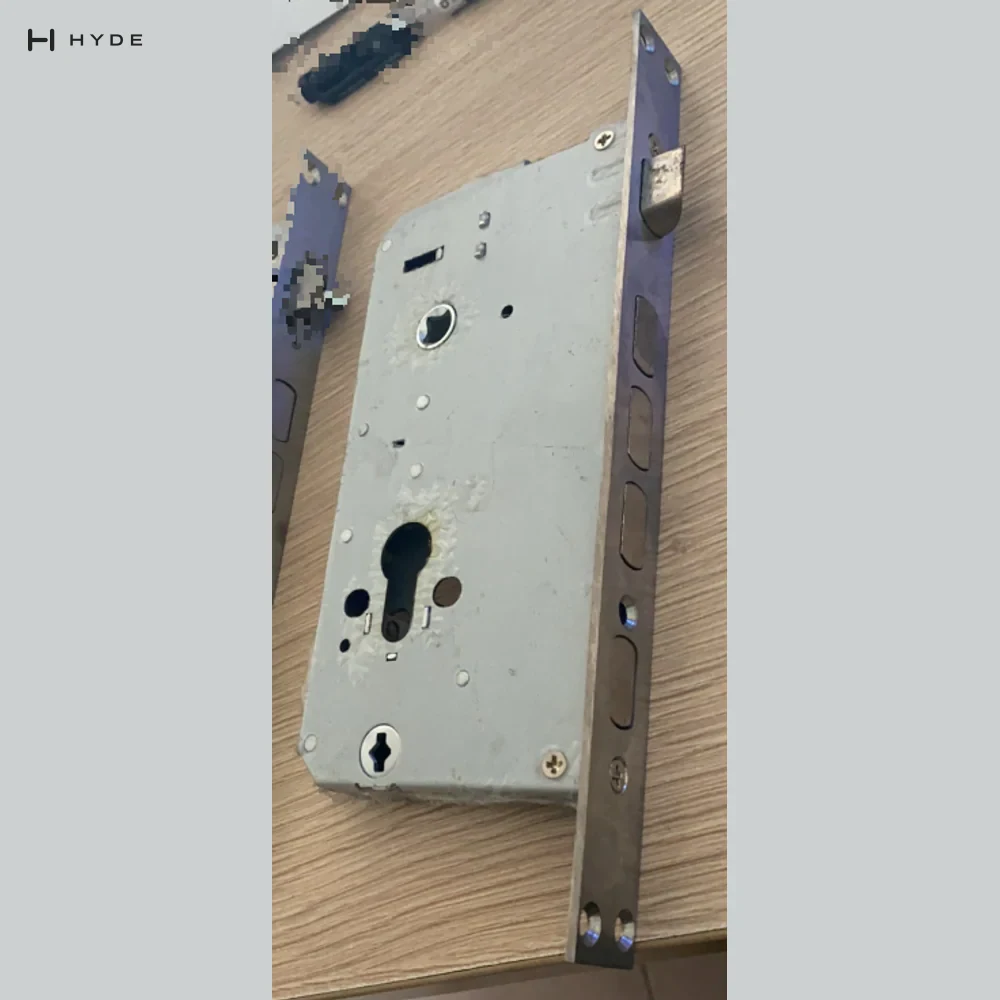
Plate length 330mm
Stainless Steel Lever Handle Lock
Model 6068
Stainless Steel 304
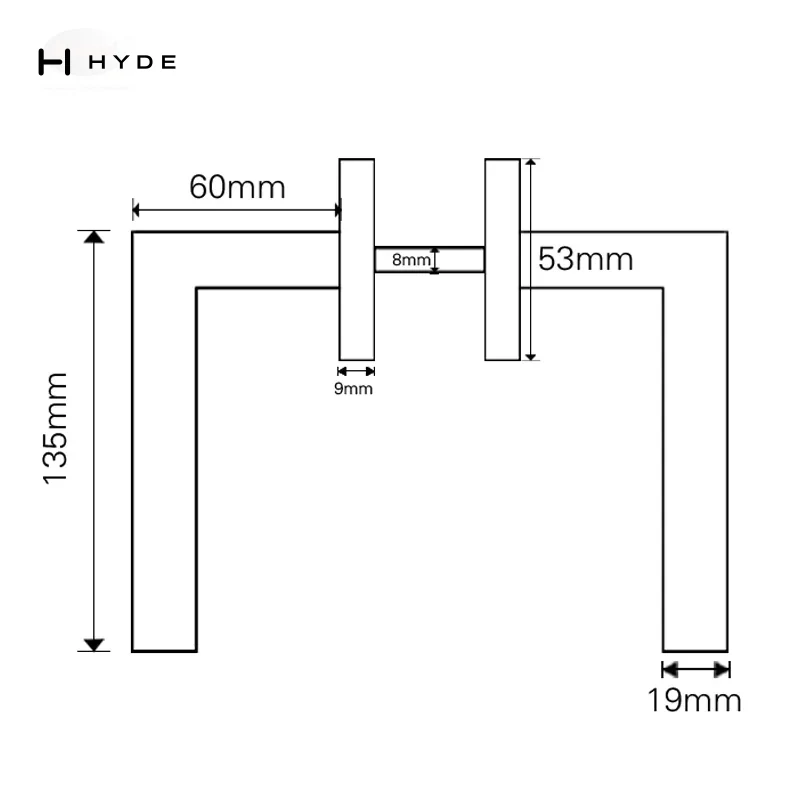
Door thickness 35–50mm
Stainless Steel Handle
Model 9014
Stainless Steel
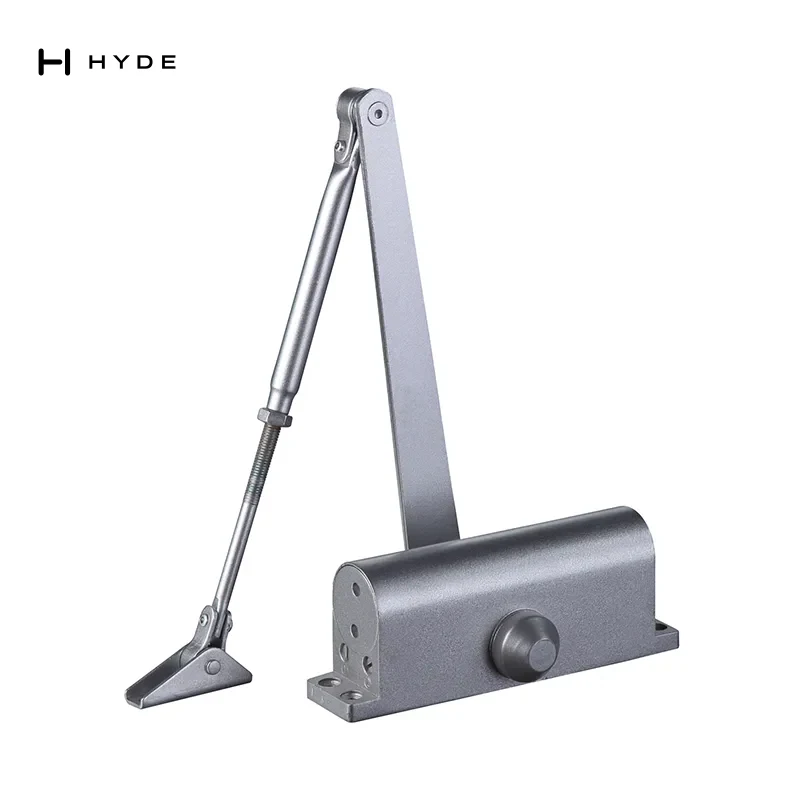
Capacity 25-45KG
Door Closer
Model JU-061
Aluminum
About Canton Hyland — Canton Hyland manufactures panic exit devices, locks and architectural door hardware for commercial and institutional projects, supplying specifiers and distributors internationally.