
Mortise, Euro Profile or Rim Cylinder: Which One Your Lock Takes
Three cylinder families are not interchangeable: the threaded mortise cylinder (set screw, cam on the back, sized 1, 1-1/8 or 1-1/4 inches), the euro profile cylinder (one fixing screw, cam in the middle, halves A and B) and the rim cylinder (tailpiece through the door, cut to door thickness). How to tell which your lock takes, and which ones we supply.

Johnson LiuDigital Communications, Canton HylandMA Digital Media, Johns Hopkins University
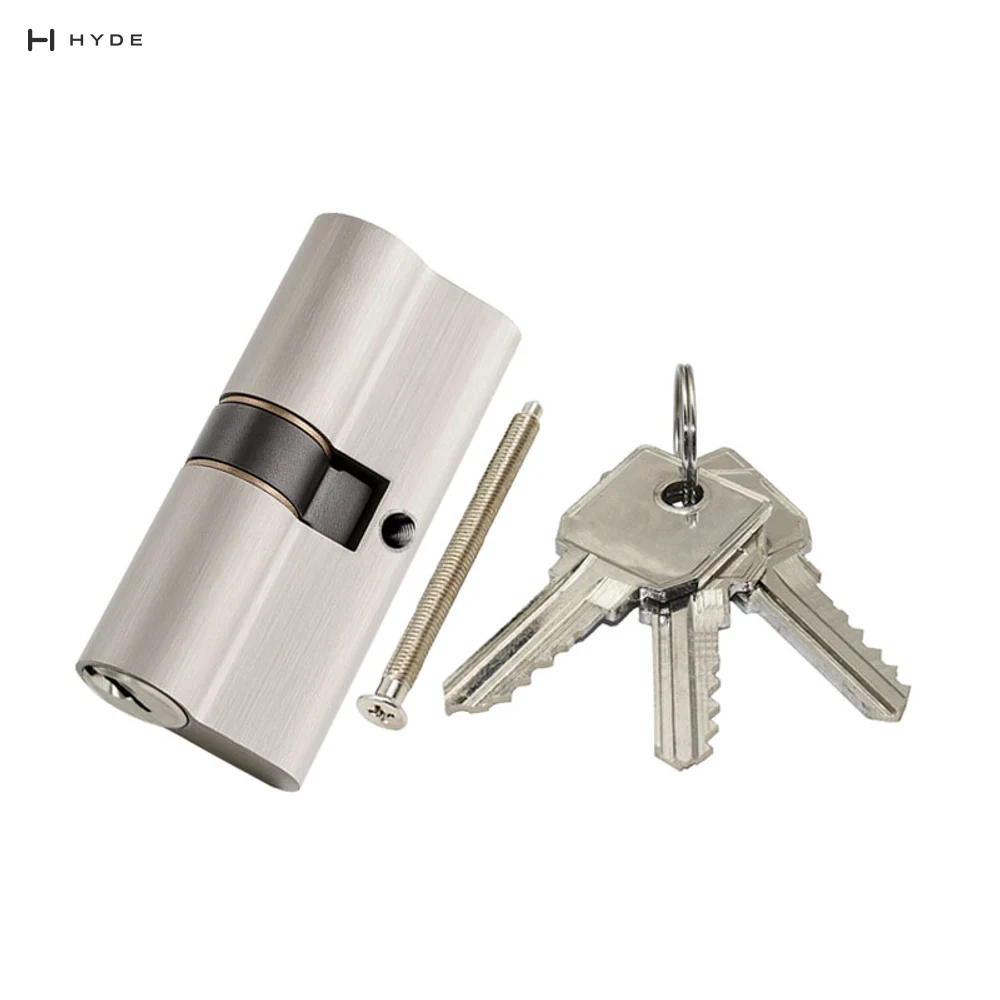
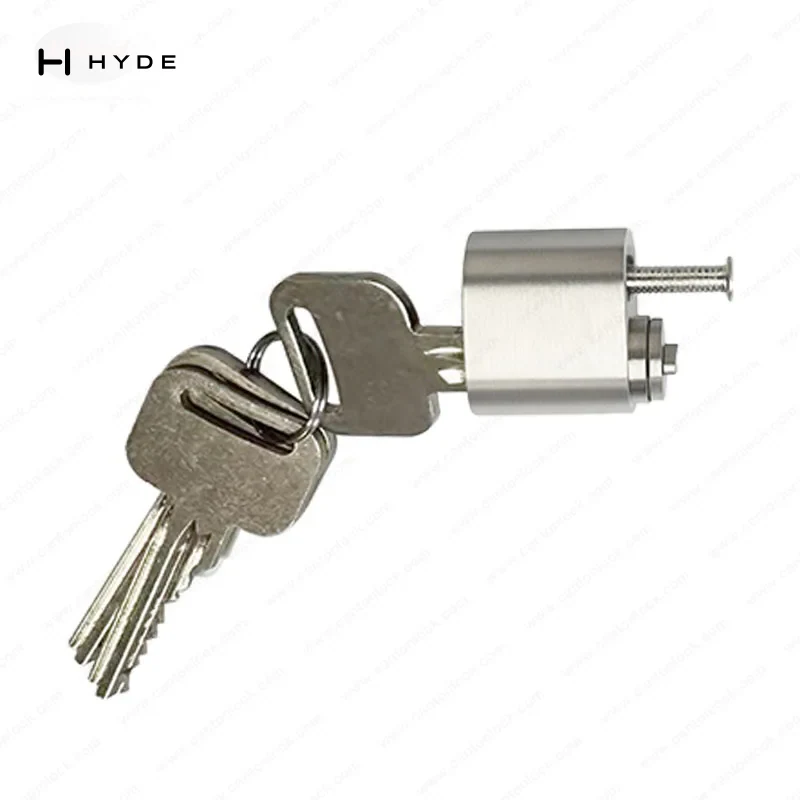
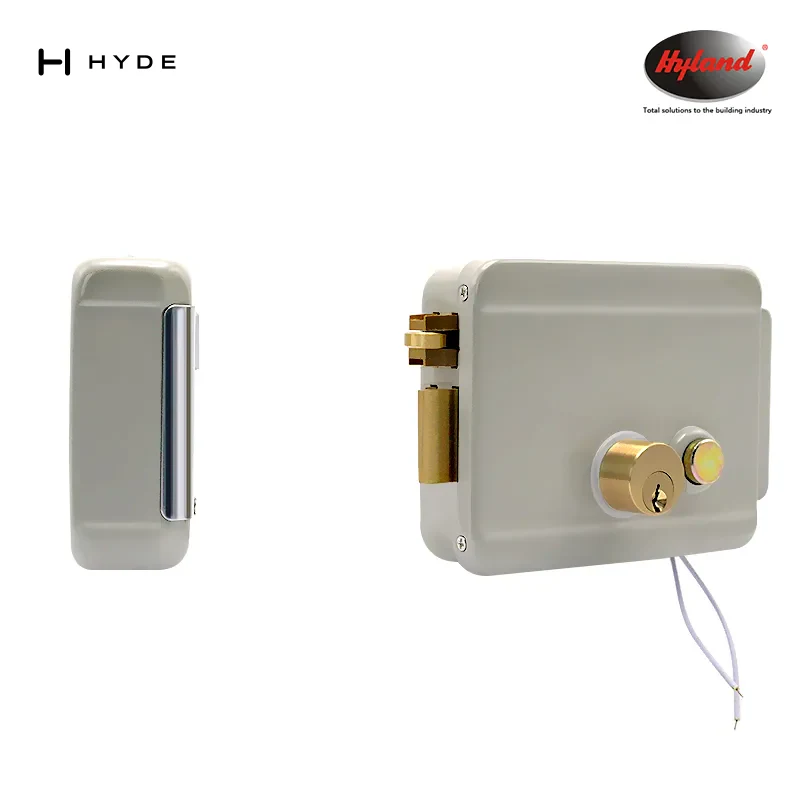
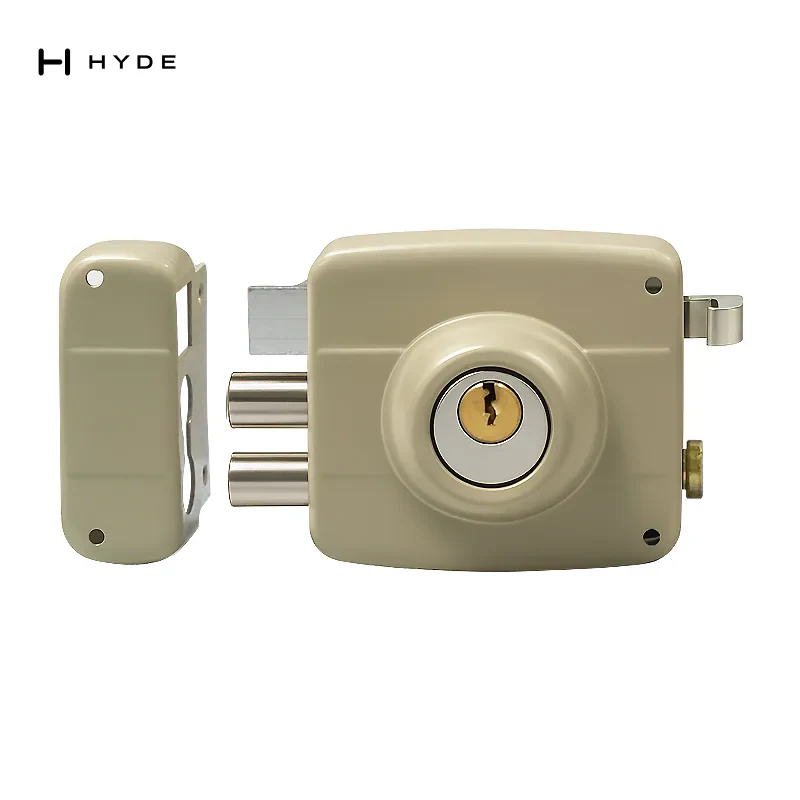
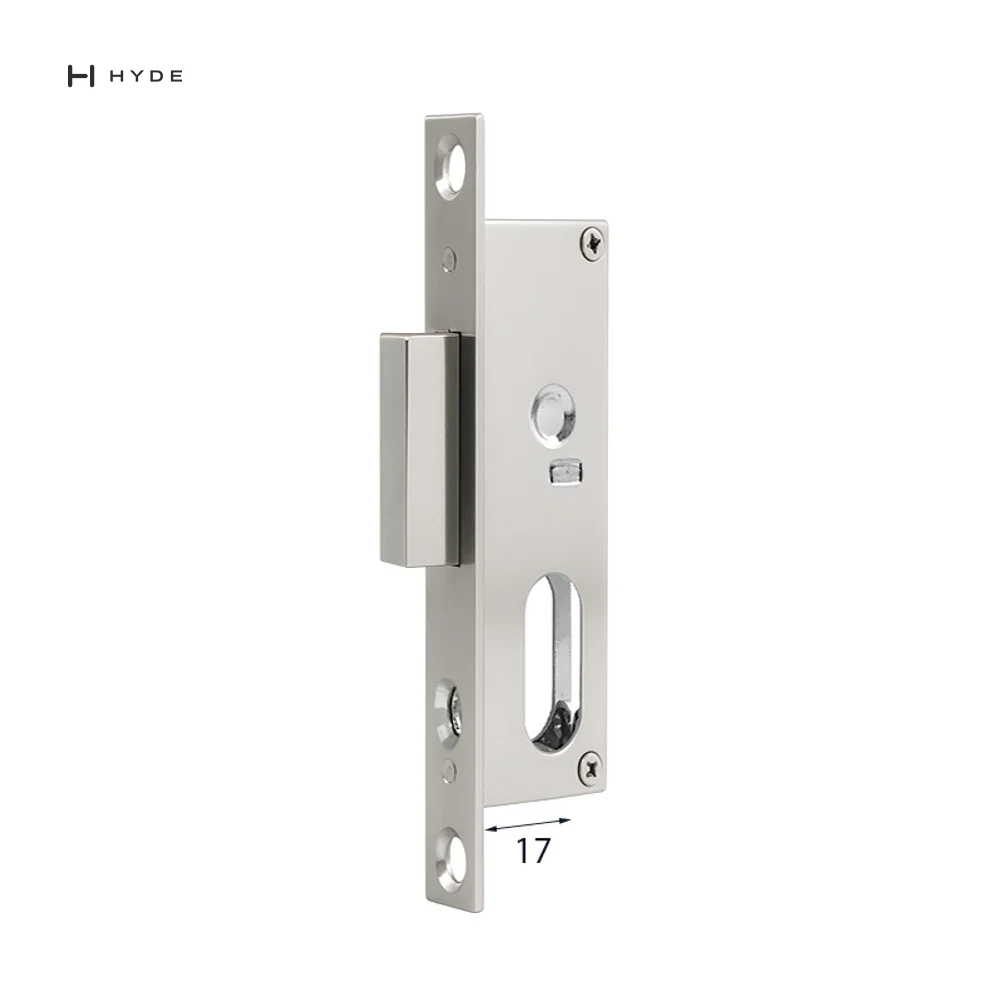
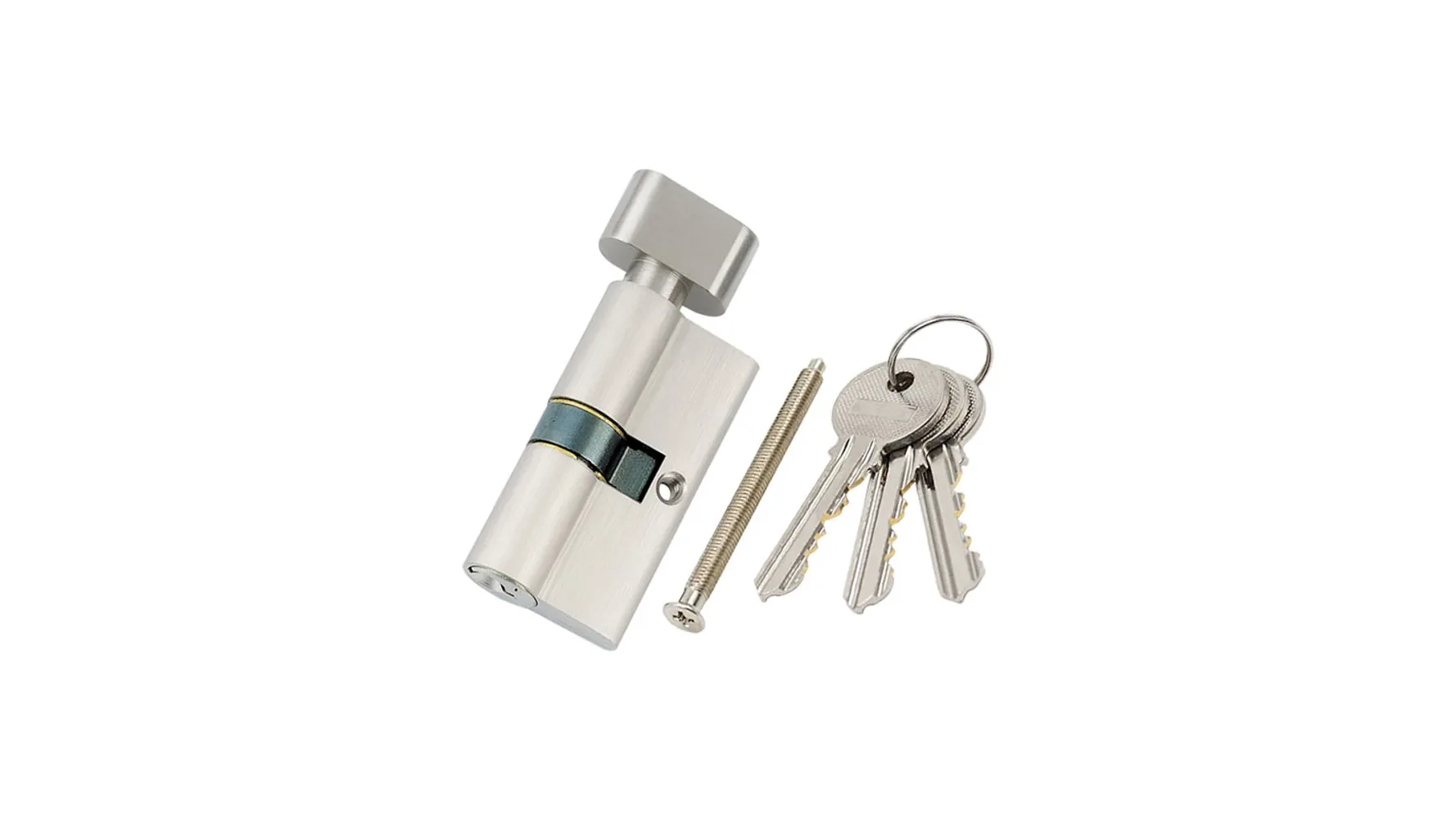
The cylinder is the part with the keyhole, and the lock decides which one fits. Three families cover most doors in export markets: the threaded mortise cylinder of North American mortise locks and exit devices, the euro profile cylinder of European-style mortise locks, and the rim cylinder of night latches and rim locks. They are not interchangeable. A cylinder from the wrong family does not go into the door at all, whatever its length or keying.
The names cause half the confusion. A European mortise sashlock takes a euro cylinder, not a mortise cylinder: in the North American trade, mortise cylinder means one specific threaded part. This page shows how to tell the three apart by how they are held and how they drive the lock, how each one is measured, and which of them we supply.
Tell them apart by how they are held
Scroll sideways to compare columns. Select a column heading to sort; select it three times to restore source order.
| Seen from outside | Round face on a round, threaded body | Keyhole-shaped profile through the lock | Round face on the outside of the door |
|---|---|---|---|
| How it is held | Screws into the lock case; a set screw or retaining bar behind the faceplate stops it turning | One long fixing screw through the faceplate in the door edge, into the cylinder body | Two long screws from the inside, through the lock's back plate, into the back of the cylinder |
| What drives the lock | A cam on the back of the cylinder | A cam in the middle of the body, turned from either side | A flat tailpiece that passes through the door into the lock box |
| Typical locks | North American mortise locks, exit devices, storefront locks | European-style mortise sashlocks and deadlocks, multipoint locks | Night latches and rim locks mounted on the inside face |
| How it is sized | Length of the body under the face | Each half from the center of the fixing screw | Door thickness, by cutting the tailpiece |
5 rows · Source order
Bored cylindrical locksets and tubular deadbolts are a separate case. Their cylinder is part of the lever, knob or deadbolt and is ordered with it, so the question on this page does not arise.
The mortise cylinder: a threaded body and a cam
A mortise cylinder is round and threaded along its body. It screws into the lock case from the outside face and is stopped from unscrewing by a set screw, or on some locks a retaining bar, reached by taking off the lock's faceplate in the edge of the door. The common lengths are 1 inch (25.4mm), 1-1/8 inches (28.6mm) and 1-1/4 inches (31.8mm), measured from the front of the face to the back of the body, not including the cam. One supplier's guide puts the 1 inch size mostly on aluminum storefront doors and the 1-1/4 inch on exit devices and mortise case locks. The thread is not universal either: Kaba Ilco lists its 1-1/8 inch cylinders with a 1.150 inch, 32-thread body, and other makers use other diameters, so match the cylinder to the lock rather than to a table.
The cam is the second half of the identification, and it is where a cylinder of the right length still fails. Mortise cylinders are sold with different cams for different lock makers: suppliers list a standard Yale-type cam, an Adams Rite cam for narrow-stile storefront locks, Sargent cams, and a clover cam for Corbin Russwin and Best locks, among others. Cam part numbers belong to each manufacturer. Take the old cylinder out and photograph the cam end, or give the lock's make and model.
We do not list mortise cylinders. If your lock takes one, this page will help you describe it to a supplier, but we cannot supply it from our catalog, and we would rather say so than quote a part we do not carry.
The euro profile cylinder: one screw and a cam in the middle
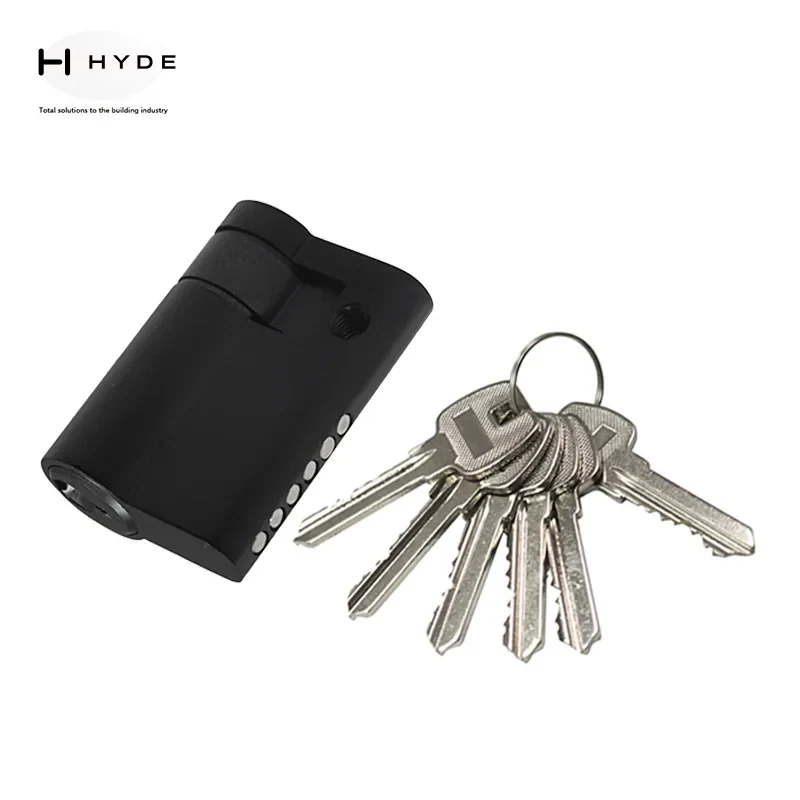
A euro profile cylinder passes right through the lock case and is held by a single long screw through the faceplate in the door edge, into a threaded hole in the cylinder body. The cam sits in the middle of the body and turns from either side. The profile follows DIN 18252, the dimensional standard; EN 1303 is the performance standard that grades key security, durability and attack resistance. Euro cylinders come double, with a key both sides; key and thumbturn; and half, keyed one side only. The photograph of the 60 SNKT at the top of this page shows the profile, the cam, a thumbturn on one end and the long fixing screw beside the keys.
It is measured in two halves, each from the center of the fixing screw hole to the outer end of that side. Many catalogs call the halves A and B and the overall length C, which is A plus B. Say which half is outside, because there is no industry standard for the order, and 30/40 and 40/30 have the same overall length and fit the door the opposite way round. Halves come in 5mm (3/16") steps, and a fitted cylinder should not stand more than about 3mm (1/8") proud of the escutcheon. Our 70 SNKT-2 publishes its split as 30/10/30, and our euro cylinder size chart covers the measurement in full.
Our euro cylinders are solid brass, from the 45BN at 45mm to the 90mm models; models such as the 60 SNDK and 90 SNDK are published with double key function.
The rim cylinder: a tailpiece through the door
A rim cylinder sits on the outside face of the door, its body through a round hole, and drives a lock mounted on the inside face. It drives it through a flat tailpiece, also called a connecting bar, that passes through the door into the back of the lock box. Two long screws come from the inside, through the lock's back plate, into the back of the cylinder, and those screws are what hold it. Because the tailpiece crosses the whole door, door thickness is the measurement that matters: the tailpiece is cut to length when the lock is fitted, and a cylinder's maker publishes the range of door thickness it suits. Cut it long rather than short, because a tailpiece cut too short does not engage the latch.
Our night latches and rim locks come with their own cylinder. The 1073D record lists three brass keys, a brass latch and cylinder, for doors 35mm to 55mm thick as standard and 30mm to 60mm on request, and the 260 is published in single and double cylinder versions. We do not list rim cylinders as a separate part, so a rim cylinder for another maker's latch is not something we can quote from the catalog.
And the oval cylinder
A fourth profile turns up on orders from several markets outside the euro-profile world: the oval cylinder, used in lock cases made for it. It is not interchangeable with a euro profile in either direction. Our Single oval cylinder is published as solid brass, 30mm with extension sizes optional, six-pin, an external single cylinder supplied with three keys, and the LC18, LC19 and LC20 narrow-stile lock cases are listed as supplied with an oval cylinder and keys.
Which one your lock takes: a check before ordering
Look at the edge of the door first. One screw in the faceplate, level with the keyhole, means a euro cylinder: take the screw out, turn the key until the cam is clear, and the cylinder slides out. A round cylinder that unscrews from the outside once a set screw behind the faceplate is backed off means a mortise cylinder. A lock box screwed to the inside face, with the cylinder on the outside and two screws through the back plate, means a rim cylinder. If none of these matches, the cylinder belongs to the lock, and the lock is what to order.
Scroll sideways to compare columns. Select a column heading to sort; select it three times to restore source order.
| Mortise | Length of the body under the face | Cam type, or the lock's make and model; thread and diameter if known |
|---|---|---|
| Euro profile | Each half from the center of the fixing screw | Which half is outside; double, key and thumbturn, or half |
| Rim | Door thickness at the lock | The latch model it drives |
| Oval | Length | The lock case model |
4 rows · Source order
We carry euro profile cylinders, the single oval cylinder, and rim locks with their own cylinders; we do not carry threaded mortise cylinders. If you are not sure which family your door has, send a photograph of the door edge and of the cylinder face, and we will tell you before you order. The family comes before length, finish and keying, because none of those matters for a cylinder that does not go into the lock.
Questions this answers
What is the difference between a mortise cylinder and a euro cylinder?
A mortise cylinder is round and threaded; it screws into a North American mortise lock or exit device, is locked by a set screw behind the faceplate, and drives the lock with a cam on its back. A euro profile cylinder has a keyhole-shaped profile, passes right through a European-style mortise lock, is held by one fixing screw through the faceplate, and has its cam in the middle.
How do I know if my lock takes a rim cylinder?
The lock box is screwed to the inside face of the door and the cylinder sits on the outside face. A flat tailpiece passes through the door into the lock box, and two long screws through the back plate hold the cylinder. Night latches and rim locks work this way.
How is a mortise cylinder measured?
By the length of its body, from the front of the face to the back of the body, not counting the cam. Common lengths are 1 inch, 1-1/8 inches and 1-1/4 inches. The cam type and the thread must also match the lock, so give the lock's make and model.
How is a euro profile cylinder measured?
In two halves, each from the center of the fixing screw hole to the end of that side, often written A and B, with C the overall length. Say which half is outside: 30/40 and 40/30 have the same length and fit the door the opposite way round.
Does Canton Hyland supply mortise cylinders?
No. We carry euro profile cylinders, a single oval cylinder, and night latches and rim locks that come with their own cylinder. We do not list threaded mortise cylinders or rim cylinders as separate parts.
Related products
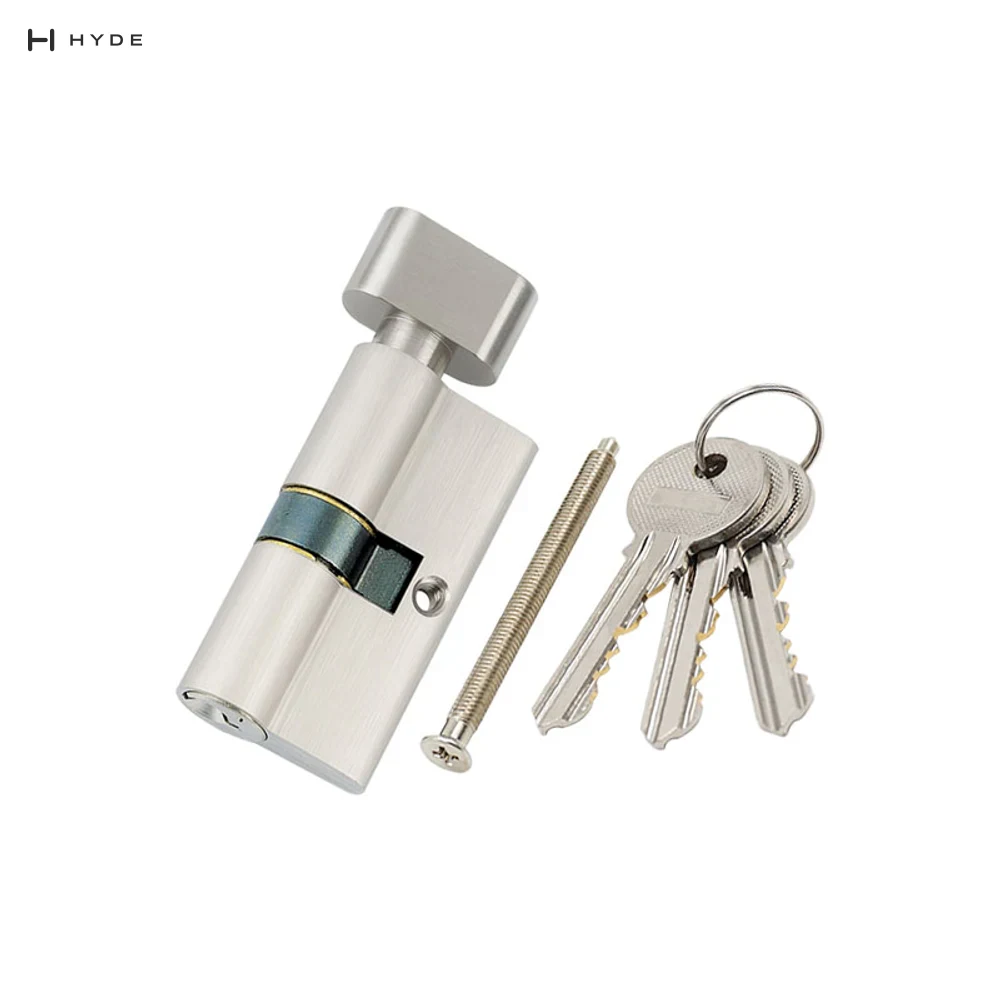
Lock Cylinder
Model 60 SNKT
Solid Brass
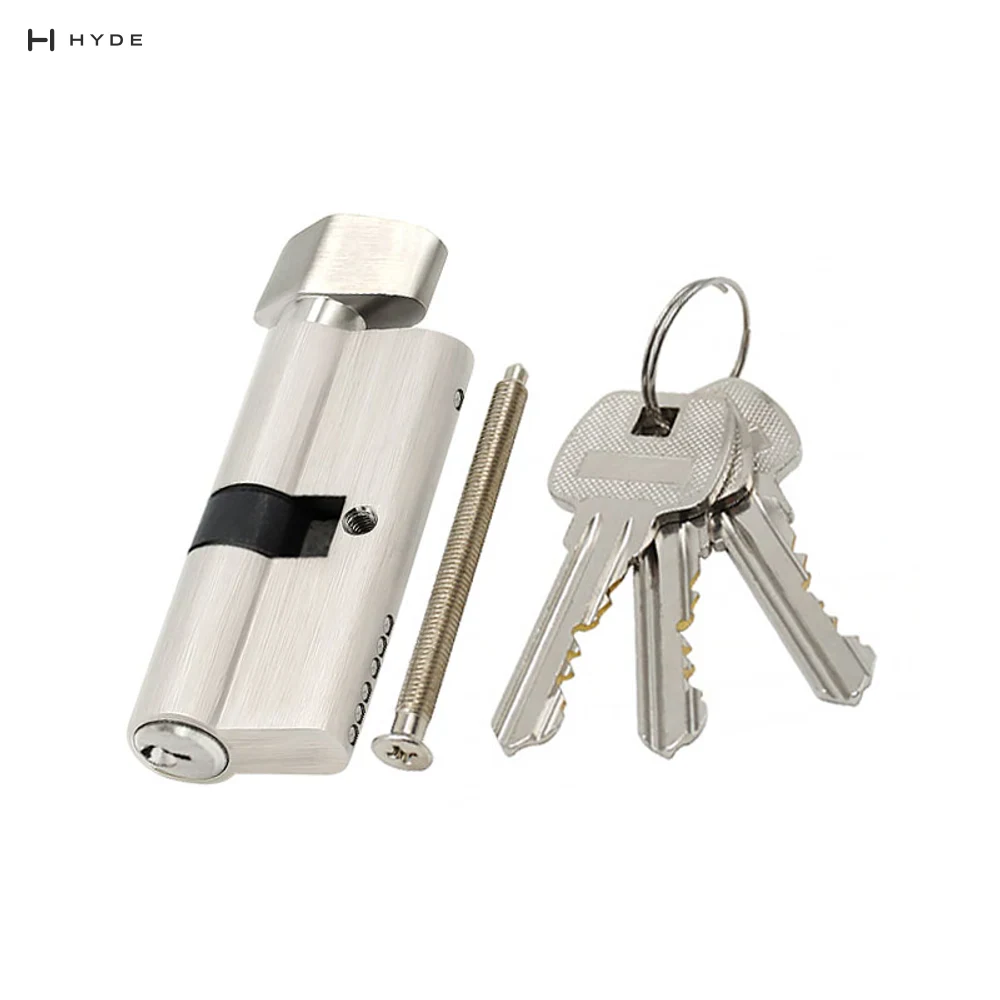
Size 70mm
Lock Cylinder
Model 70 SNKT-2
Solid Brass
Size 45mm
Lock Cylinder
Model 45BN
Solid Brass
- 60 SNDK — Lock Cylinder
- Single oval cylinder — Lock Cylinder
- 1073D — Night Latch And Rim Lock
- 260 — Night Latch And Rim Lock
- LC18 — Lock Case
About Canton Hyland — Canton Hyland manufactures panic exit devices, locks and architectural door hardware for commercial and institutional projects, supplying specifiers and distributors internationally.