
Replacing a Tubular Latch: 60/70 Adjustable or 90mm Backset, and Which Lock It Fits
L021 is a 60/70mm adjustable replacement latch; L001 and L015 are 90mm, and L004 lists 60/70mm/90mm. Backset is only the first match: the tail, the faceplate and the bolt decide whether a replacement fits the lockset, and this is how to check each one before ordering.

Johnson LiuDigital Communications, Canton HylandMA Digital Media, Johns Hopkins University
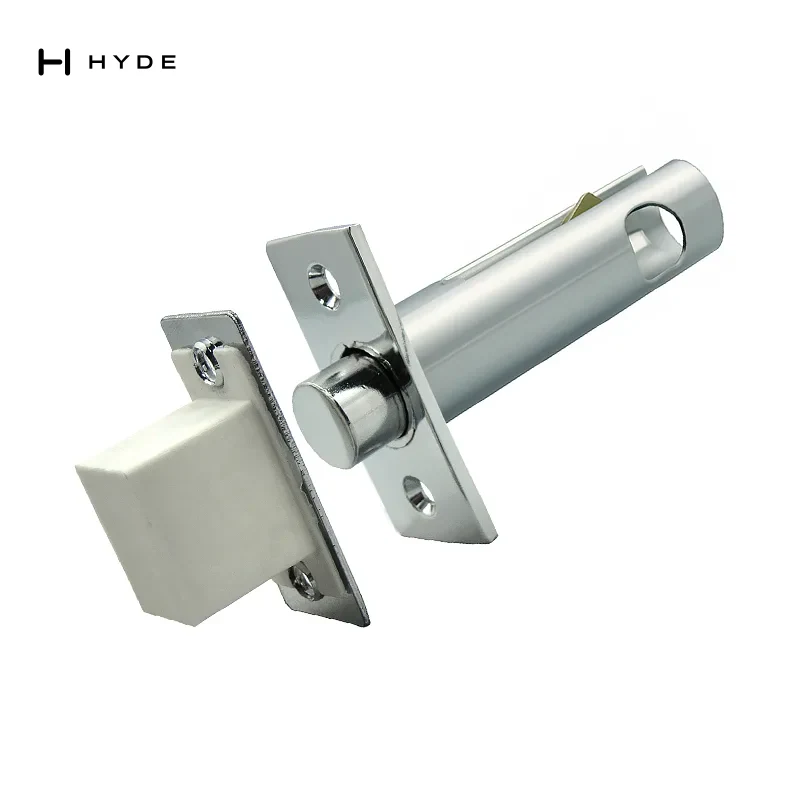
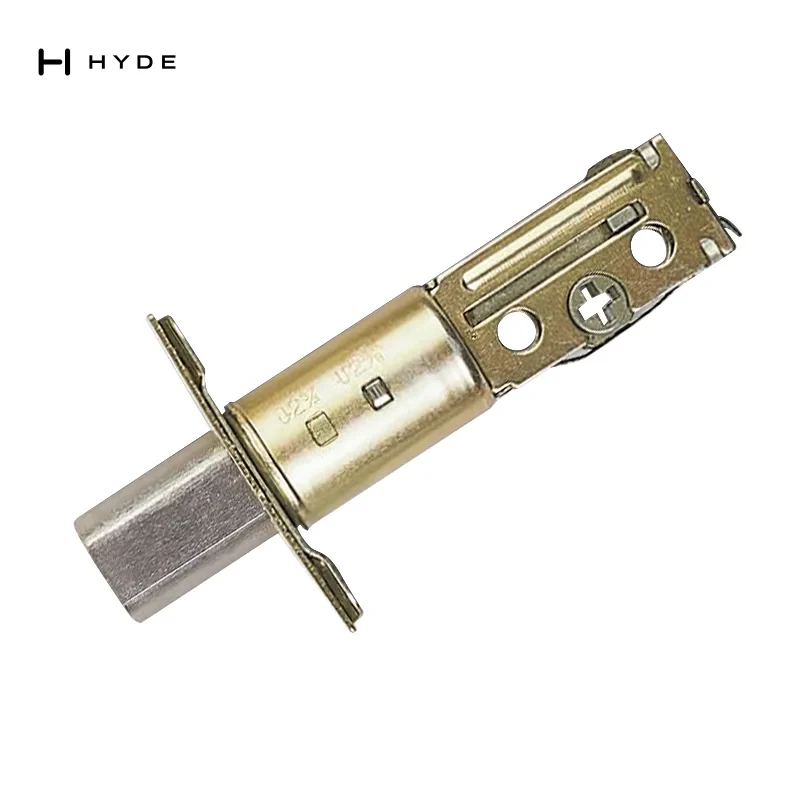
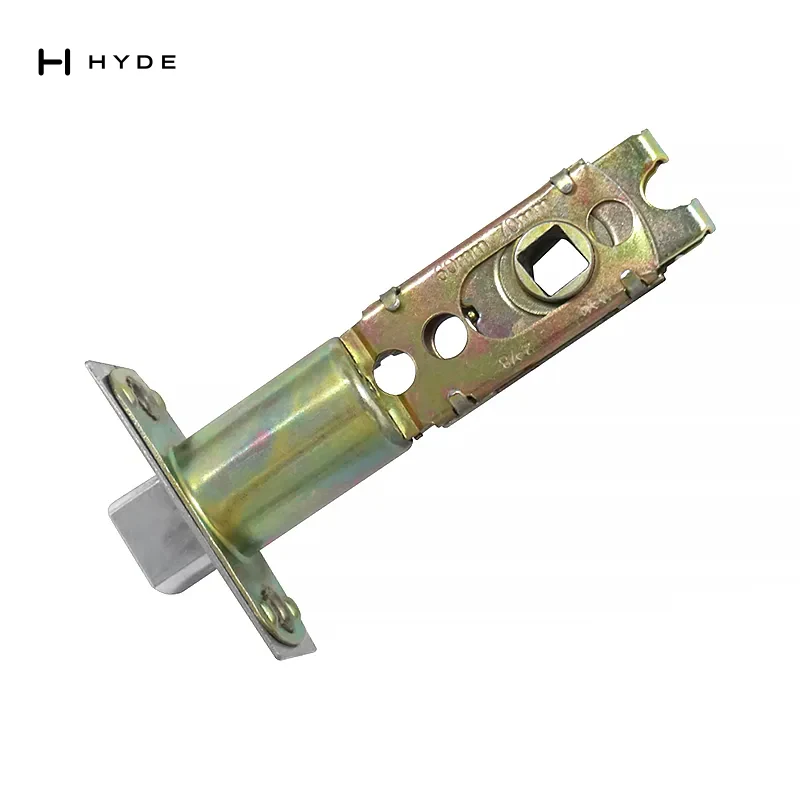
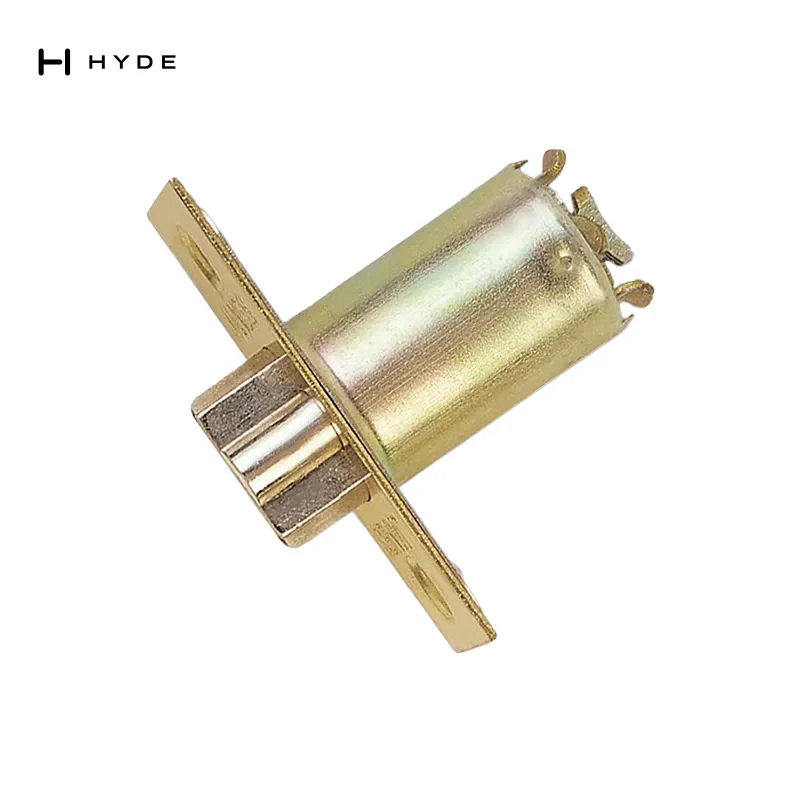
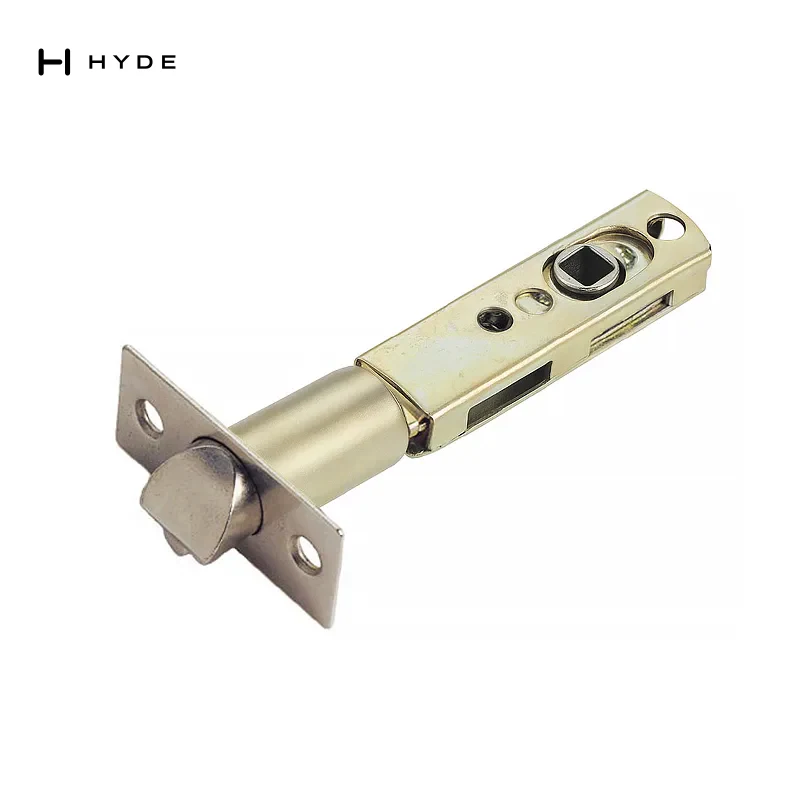
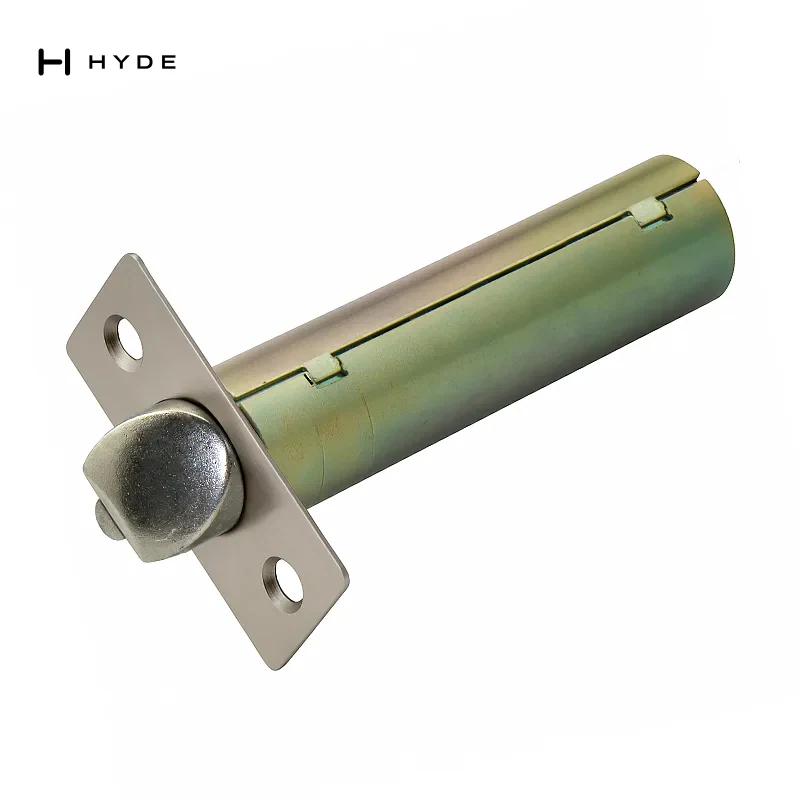
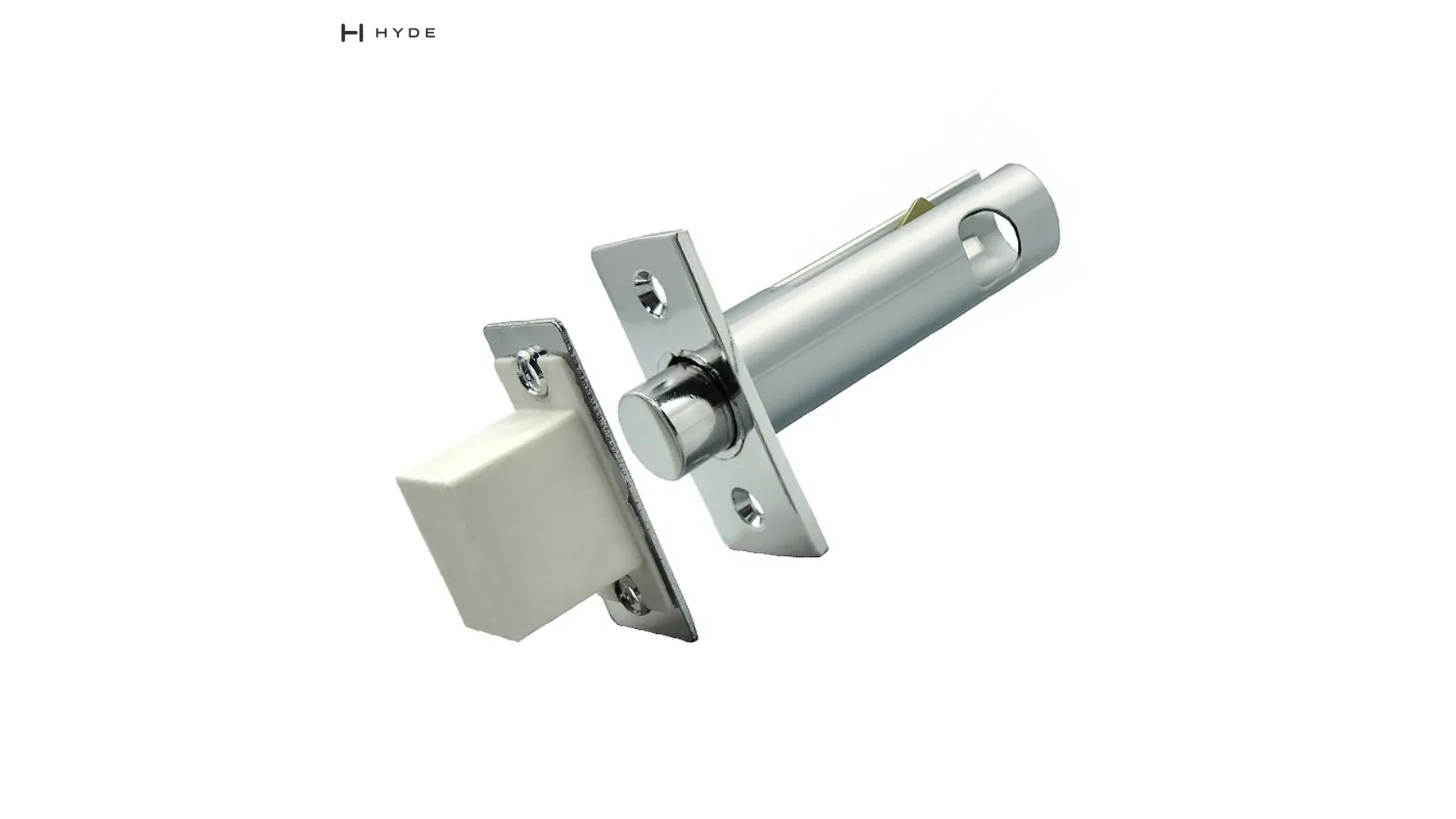
L021 is a replacement latch with a 60/70mm adjustable backset. Its record gives the backset as 60/70mm, the application as a lever handle lock, the material as zinc alloy, and six finishes, from polished brass to stainless steel. If the lock you are repairing measures 60 or 70mm (2-3/8" or 2-3/4") from the door edge to the center of the knob or lever, L021, L003 and L005 are in the right range. If it measures 90mm, they are not, and the choice moves to L001, L015 or L004.
Backset is only the first match. A separate latch has to agree with the lockset in four places: the backset, the way the lockset drives the latch tail, the plate and bolt at the door edge, and the finish beside the strike. Our latch records publish the first and the last. The other two are confirmed from the latch you took out of the door and from our photographs, and the rest of this article explains how.
What the six records publish
Scroll sideways to compare columns. Select a column heading to sort; select it three times to restore source order.
| L001 | 90mm | Door lock | PB, AB, AC, CP, SN |
|---|---|---|---|
| L003 | 60/70mm | Door lock | PB, AB, AC, CP, SN, SS |
| L004 | 60/70mm/90mm | Cylindrical door lock | PB, AB, AC, CP, SN, SS |
| L005 | 60/70mm | Tubular lock | PB, AB, AC, CP, SN, SS |
| L015 | 90mm | Entrance door lock | PB, AB, AC, CP, SN, SS |
| L021 | 60/70mm | Lever handle lock | PB, AB, AC, CP, SN, SS |
6 rows · Source order
The finish codes stand for polished brass, antique brass, antique copper, chrome plated, satin nickel and stainless steel. All six records give zinc alloy as the material, without saying which part of the latch that row describes. None of them publishes a latch throw, a faceplate size, a spindle size, a door thickness, or whether a deadlocking plunger is fitted. Where one of those matters below, the article says it is not published and what to measure instead.
Read the application row as a note on what kind of lockset the latch was made for, not as a compatibility list. No record pairs one of these latches with a named lockset model, ours or anyone else's. A match of backset and application is a reason to ask for a sample, not a confirmation that the part will fit.
Measuring backset on the door you have
Backset is the distance from the door edge to the center of the cross bore, the large hole through the face of the door that the lockset passes through. Measure it on the door rather than on the old latch: with the lockset removed, run a rule from the edge to the center of the bore. With the lockset still fitted, the distance from the edge to the center of the knob or lever gives the same figure. In North America the cross bore is commonly 2-1/8" (54mm) and the edge bore 1" (25mm), and a replacement latch has to pass through the edge bore that is already there.
The two common settings, 60mm (2-3/8") and 70mm (2-3/4"), are close enough that a reading of about 65 should be taken again. A latch set to the wrong one still slides into the edge bore, but its tail no longer sits on the center of the cross bore, so the lockset either will not assemble or turns without fully withdrawing the bolt.
An adjustable 60/70 latch covers both settings with one part. The case is made in two sections that slide, and a catch holds it at the short or the long length. The L003 photograph shows both settings marked on the case, 2-3/8 and 2-3/4. Set the length before the latch goes into the door: seen from the door edge, a latch at the wrong length looks exactly like one at the right length.
Anything other than 60 or 70mm calls for a different latch, not a different setting. L001 and L015 are listed at 90mm only, with a longer case to match. L004 is the exception in this group: its record gives 60/70mm/90mm. The record does not say whether a single L004 adjusts across all three or whether it is supplied in a 60/70 version and a 90mm version, so ask before planning on one part for both.
The tail decides which lock it fits
Two latches with the same backset can still be incompatible, because a latch is driven from its tail. In a tubular lockset the spindle passes through an opening in the latch tail, and turning it draws the bolt back, so the shape and size of that opening must suit the spindle. In a cylindrical lockset the chassis in the cross bore carries a retractor, and the latch tail is formed to hook onto it. A tail made for one design does not engage the other, however well the backset matches.
Our photographs show the difference. The L001 and L005 photographs show a tail housing with a square opening for a spindle. The L004 photograph shows a round case ending in a forked tail, which agrees with its application row, cylindrical door lock. Hold the latch you removed next to the photograph of the one you plan to order and compare the tails before anything else. The size of the spindle opening is not published for any of the six, so measure your spindle across the flats and send that figure with the inquiry.
The door edge: faceplate and bolt
The door edge was cut for the old latch. A faceplate latch sits in a shallow recess chiseled into the edge and is held by two screws; a drive-in latch has a round collar and is pressed into a plain bored hole with no recess. All six photographs show a flat faceplate and none shows a round drive-in collar, so a door bored for a drive-in latch needs a recess cut before any of these will sit flush. Faceplate dimensions and corner shape are not published. Measure the height, width and corners of the old plate: a smaller plate leaves a gap around it, and a larger one means chiseling.
Then look at the bolt. A spring latch has a beveled face, and on most tubular latches the bolt is turned over to suit a left-hand or right-hand door, so that the bevel meets the strike as the door closes. The L021 photograph shows a round bolt end, and none of the six records describes the bolt profile or how the latch is handed. If the door has to latch by itself when it is pushed shut, ask for a side view of the bolt along with the backset.
Strike, finish and fire doors
On a like-for-like replacement the strike on the frame usually stays. It was set for the old bolt, and a new latch at the same backset puts its bolt on the same line. If the old latch had a small plunger beside the bolt, the deadlocking plunger that stops the bolt being pushed back with a card, check that the replacement has one too and that the strike holds it in rather than letting it drop into the strike opening. The six records do not say whether a plunger is fitted.
Match the finish to the strike and the trim, since the faceplate sits between them. L001 lists no stainless steel finish; the other five latches here do. If the door hardware is stainless and the backset is 90mm, L015 is the record in this group that lists both.
A fire-rated door is a different case. Replacing a latch there is governed by the listing of the lockset, which our article on fire-rated knobs and levers covers, and nothing in this article applies to a door with a fire label.
What to send with an inquiry
Five things settle most replacement latch inquiries in one reply: the backset measured on the door; a photograph of the old latch from the side, showing the tail and the bolt; the faceplate height and width, and whether its corners are square or round; the make and model of the lockset, if it is marked; and the finish in words. With those, the answer can name one of the six models above, or say plainly that none of them fits.
Questions this answers
What backset is the L021 latch?
The L021 record gives a 60/70mm adjustable backset, which covers both 60mm (2-3/8") and 70mm (2-3/4") doors. It lists the application as a lever handle lock, the material as zinc alloy, and six finishes: polished brass, antique brass, antique copper, chrome plated, satin nickel and stainless steel. Latch throw, faceplate size and spindle size are not published.
How do I measure backset for a replacement latch?
Measure on the door, from the edge to the center of the cross bore, or with the lockset still fitted, from the edge to the center of the knob or lever. 60mm is 2-3/8" and 70mm is 2-3/4"; a reading in between should be taken again. Any other figure, such as 90mm, needs a latch made for that backset.
Can a 60/70 adjustable latch be used on a 90mm backset door?
No. The adjustment moves between 60 and 70mm only. A 90mm door needs a 90mm latch. In our range L001 and L015 are listed at 90mm, and the L004 record gives 60/70mm/90mm without saying whether one part covers all three, so ask before ordering.
Will any latch with the right backset fit my lockset?
Not necessarily. The tail has to suit the lockset: a tubular lockset drives the latch through an opening in the tail, while a cylindrical lockset hooks a retractor onto it. The faceplate or drive-in collar also has to suit the cut in the door edge. Compare the old latch with the photograph, and send the backset, a side photograph of the latch and the lockset make with the inquiry.
Related products
Request a quoteAbout Canton Hyland — Canton Hyland manufactures panic exit devices, locks and architectural door hardware for commercial and institutional projects, supplying specifiers and distributors internationally.