
Why Every Key Bitting Must Be Unique: The Security Floor of a Master Key System
Every key in a master key system needs a bitting that no other key shares, inside your building and across other customers' systems on the same keyway. This note explains bitting, depth and space, incidental master keys and MACS, and the three things to ask a cylinder supplier before ordering.

Johnson LiuDigital Communications, Canton HylandMA Digital Media, Johns Hopkins University
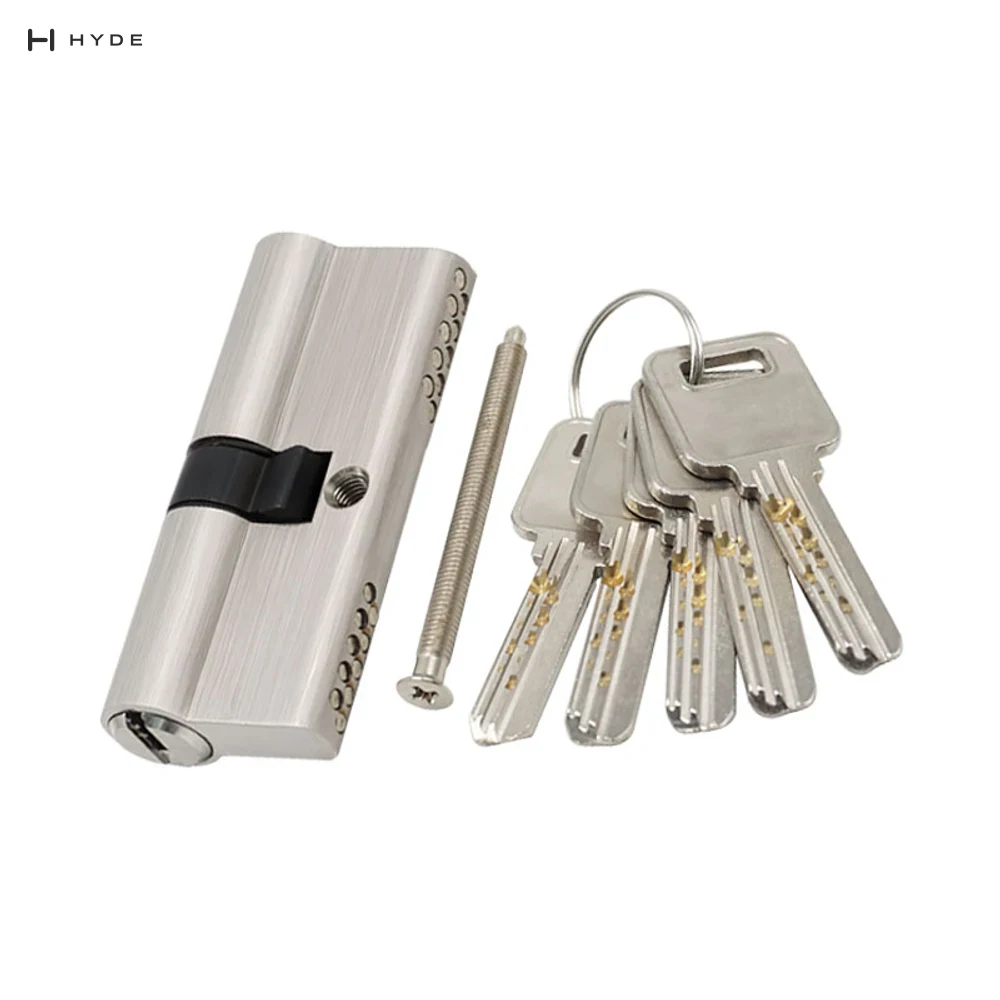
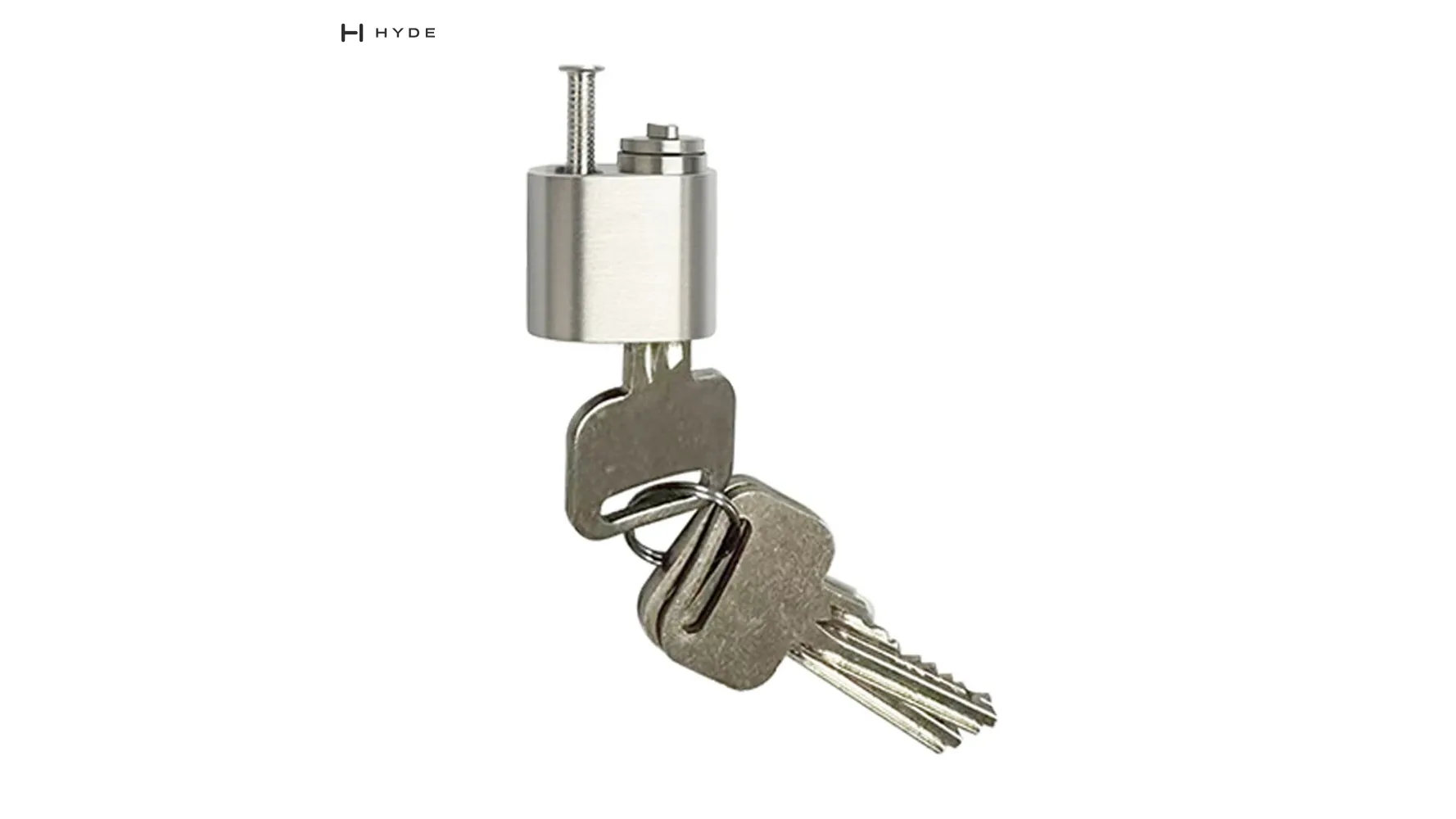
Every key in a master key system must carry a bitting that no other key in that system carries, unless the plan deliberately says two doors share a key. That is the security floor. A master hierarchy, a restricted profile and a cylinder with security pins all sit on top of it, and none of them repairs it: if the change key for one office also turns the lock on another, the system has an opening that no drawing shows and no review of the drawing will find.
The same rule reaches past your building. Your bittings should not repeat in another customer's system cut on the same keyway, and the list of bittings should travel separately from the keys. On a purchase order that comes down to three requests: unique bittings across the whole order, no repeats across other customers' systems on that profile, and a key register delivered on its own to a named person.
What a bitting is
A pin-tumbler cylinder holds a row of pin stacks. Each stack has a key pin, a driver pin above it and a spring. The cuts on the key lift each key pin by a set amount, and the plug turns only when every gap between key pin and driver pin sits exactly at the shear line, the boundary between the plug and the shell. The bitting is the record of those cuts: the depth at each pin position, written as a sequence of numbers. The profile decides whether a key enters the keyway; the bitting decides whether it turns. Profiles and blanks have their own guide on our site, so this note stays with the cuts.
Every cylinder platform is built on a depth-and-space system. The spaces are the fixed positions along the blade where cuts can be made, measured from a shoulder or tip stop. The depths are a fixed set of steps, each one a set increment deeper than the last. A legal key is one depth chosen at each space. The theoretical number of keys is therefore the number of depths raised to the power of the number of spaces, and that is where the large figures in brochures come from. The usable pool is much smaller: manufacturers exclude bittings that are too uniform or too easily confused with a neighbor, and mastering removes more, as our article on master key hierarchy planning explains. This note is about whether the keys drawn from that pool are actually distinct.
Why a duplicate change key is a failure, not a coincidence
If two change keys on the same keyway carry the same bitting, two doors are keyed alike that nobody asked to be keyed alike. The occupant of one room can open the other. Usually nobody finds out, because nobody tries their key in a door that is not theirs. The register says the doors are separate; the metal says they are not, and the metal wins.
Near-duplicates are the subtler problem. Keys and cylinders are made to tolerances, and both wear. Two bittings that differ by a single depth step at a single position may be distinct on paper and still close enough in service for a worn key, or a worn cylinder, to bridge the difference. For that reason system designers commonly require every key to differ from every other by more than one depth step at one or more positions, usually called a two-step progression. It costs capacity, and it is what keeps keyed different meaning different after years of use.
Repeats across customers come from a different source. Low-cost keyed-different cylinders are often cut from a limited series of bittings that is reused from batch to batch. Each cylinder in your shipment may be unique within the shipment and still share its key with a cylinder in somebody else's shipment on the same keyway. For a single house door that may be an accepted trade-off. For a building with a hierarchy, a register and staff who leave, it is not, because a repeat outside the system is a key the system can never recall.
Incidental master keys
A master-keyed cylinder works by adding a master pin, a short spacer, to some of its pin stacks. Each of those stacks now has two gaps that can sit at the shear line, one for the change key and one for the master key. The cylinder does not check which key each depth came from. If one position accepts depth A or depth B and the next accepts depth C or depth D, the cylinder accepts every mixture: A with D, B with C, and so on across every mastered position. Only two of those combinations were intended. The others are incidental master keys: valid keys that nobody designed and nobody cut, but that the cylinder will accept. Every extra master level multiplies them.
Incidental masters matter for two reasons. One of them may coincide with a change key issued elsewhere in the system, so a person holding a legitimate key for one door finds it opens a door it was never meant to. And more shear points give a cylinder more ways to be operated without the intended key, which is why a master-keyed cylinder is generally regarded as less resistant to manipulation than the same cylinder keyed different. Designers manage both with recognized progression methods, such as the rotating constant method and total position progression, and by limiting how many positions are mastered. A competent designer checks every issued key against every cylinder it should not open before anything is pinned.
MACS: the rule that removes bittings you never see
MACS stands for maximum adjacent cut specification. It is the largest difference in depth the manufacturer allows between two neighboring cuts. A very deep cut beside a very shallow one leaves a steep, thin ridge of metal on the blade. Beyond the limit the key is weak at that point and can crack, the pin cannot ride smoothly up the slope, and the key drags or binds on the way in and out.
Each platform has its own MACS, set by its manufacturer from its depth increments and pin geometry. There is no universal figure, and our product records do not publish one. What matters to a buyer is that MACS, together with the depth rules above, is another filter between the theoretical pool and the real one. A bitting list produced by hand that ignores it gives keys that work on day one and fail first on the busiest doors. Ask whether bittings are generated by software against the platform's own specification, and whether the same software checks for duplicates and incidental masters.
The bitting list is the most sensitive key in the building
Whoever holds the bitting list can make every key in the system, the top master included, on a code-cutting machine, without ever touching an original. That makes the list more sensitive than any single key. Treat it like the top key: one controlled copy, a named custodian, never attached to the same email as the shipping documents, never printed on a carton label.
Keys are commonly stamped with a key code so that holders and doors can be tracked. That code should be a reference that only the register translates, never the bitting itself; a key stamped with its own cuts can be copied from a photograph of its bow. The register then records, for each code, its level in the hierarchy, the doors it opens, who holds it, and when it was issued and returned.
Restricted profiles: the other half of key control
Unique bittings stop the wrong key from turning a lock. They do nothing to stop the right key from being copied. That is the job of the profile. On an open profile, blanks are sold freely and any key cutter can duplicate a key. On a restricted or registered profile, blanks reach only authorized outlets, and duplicates are cut against a signed authorization or a registration card held by the owner. Some manufacturers go further and reserve a profile for a single end user or territory. The two controls only work together. A unique bitting on an open blank can be copied at any key kiosk. A restricted blank whose bittings repeat across customers can be opened by somebody else's legitimately issued key. A buyer who pays for one and not the other has bought half of a key control system.
What to ask a cylinder supplier
Scroll sideways to compare columns. Select a column heading to sort; select it three times to restore source order.
| Are all bittings unique across this order? | Yes, generated and checked by software against the platform's depth rules and MACS | Keyed different, with no bitting list offered |
|---|---|---|
| Do any of our bittings repeat in another customer's system on this profile? | No, bittings are allocated per profile and recorded, or the profile is reserved for you | Repeats are rare |
| How are incidental masters handled? | A named progression method, with every change key checked against every cylinder | No answer, or the question is not understood |
| How are the bitting list and key register delivered? | Separately from the goods, to a named person, in a format you can open | Printed in the carton or stamped on the keys |
| Who may order duplicate keys? | Only named signatories, checked against the register | Anyone who quotes the key code |
5 rows · Source order
What our cylinder records publish, and what they do not
Here is what our product records state for four of our cylinders, and nothing more. The Single oval cylinder is solid brass, 30mm, an external single cylinder with a 6-pin mechanism, supplied with 3 keys; its key type is given as a normal key with a computer key optional. 47BSIK is a 47mm solid brass cylinder supplied with 3 or 5 keys, with computer keys optional. 70 SNDK and 70SNDK CP-ANTI-THEFT are 70mm solid brass euro profile cylinders in satin nickel with a double key function.
Two cautions follow from those records. Anti-theft is part of the 70SNDK CP-ANTI-THEFT model name; the record does not state which protection it refers to, so we do not describe it as anti-pick, anti-bump or anything else. A computer key, the dimple key milled into the flat of the blade, changes the shape of the key and the arrangement of the pins, but the uniqueness rules in this note apply to it in exactly the same way. It is not in itself proof of a unique bitting or of a restricted profile.
What the records do not publish is everything else this article is about: the keyway's name and status, the number of depths, the MACS, master keying, how bittings are allocated across orders, and how duplicate keys are controlled. The number of keys supplied says nothing about whether those keys are unique. If your order depends on any of this, put the three requests from the top of this note in writing, and get the answers back in writing, for that order.
Questions this answers
Why must each key bitting be unique in a master key system?
Because a change key that shares its bitting with another change key on the same keyway opens both doors, and nobody notices until it matters. Every master level, restricted profile and security pin sits on top of that floor and cannot repair it. Bittings should also not repeat in another customer's system on the same profile, because a repeat outside your system is a key you can never recall.
What is an incidental master key?
A master-keyed cylinder has two depths that work at each mastered position, one for the change key and one for the master key. The cylinder accepts any mixture of those depths, not only the two intended keys. The unintended combinations are incidental master keys: valid keys nobody designed. Designers control them with recognized progression methods and by checking every issued key against every cylinder it should not open.
What does MACS mean for keys?
MACS is the maximum adjacent cut specification: the largest depth difference a manufacturer allows between two neighboring cuts on a key. Beyond it the key is weak at that point and the pin cannot ride smoothly up the slope. Each platform sets its own MACS; there is no universal figure.
What should I ask a lock cylinder supplier about key control?
Ask for unique bittings across the whole order, no repeats against other customers' systems on the same profile, and a bitting list and key register delivered separately from the goods to a named person. Also ask how incidental masters are handled and who may order duplicate keys. A supplier who cannot answer in writing has not shown you a controlled system.
Related products
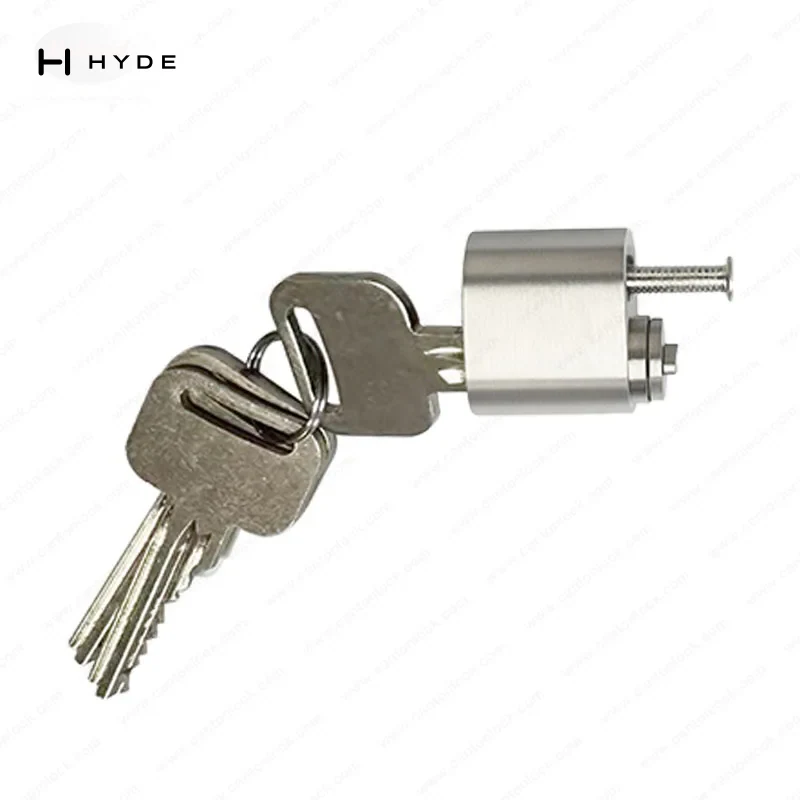
Size 30mm (extension sizes optional)
Lock Cylinder
Model Single oval cylinder
Solid Brass
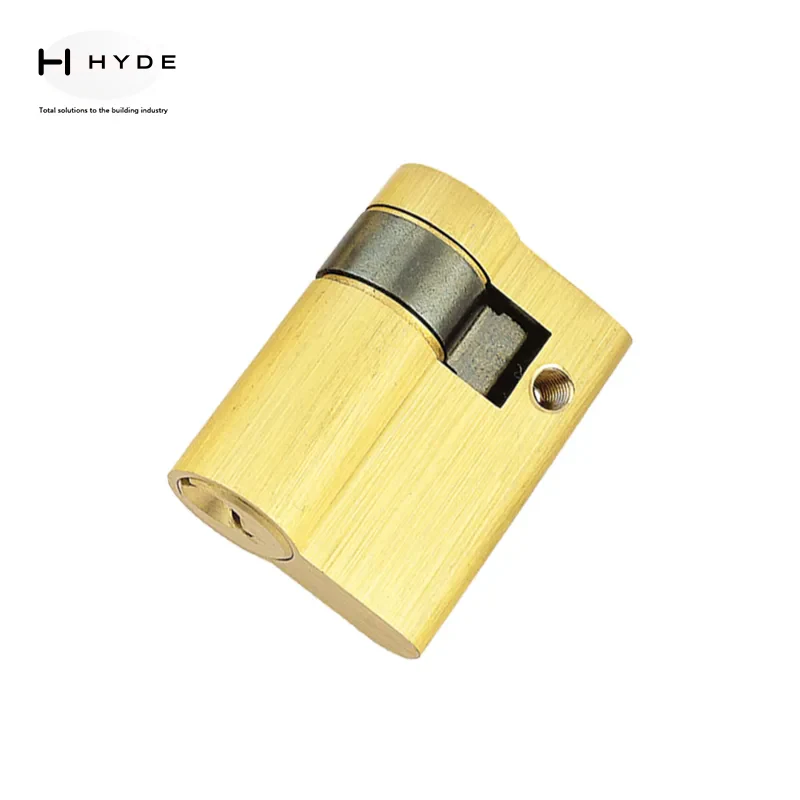
Size 47mm
Lock Cylinder
Model 47BSIK
Solid Brass
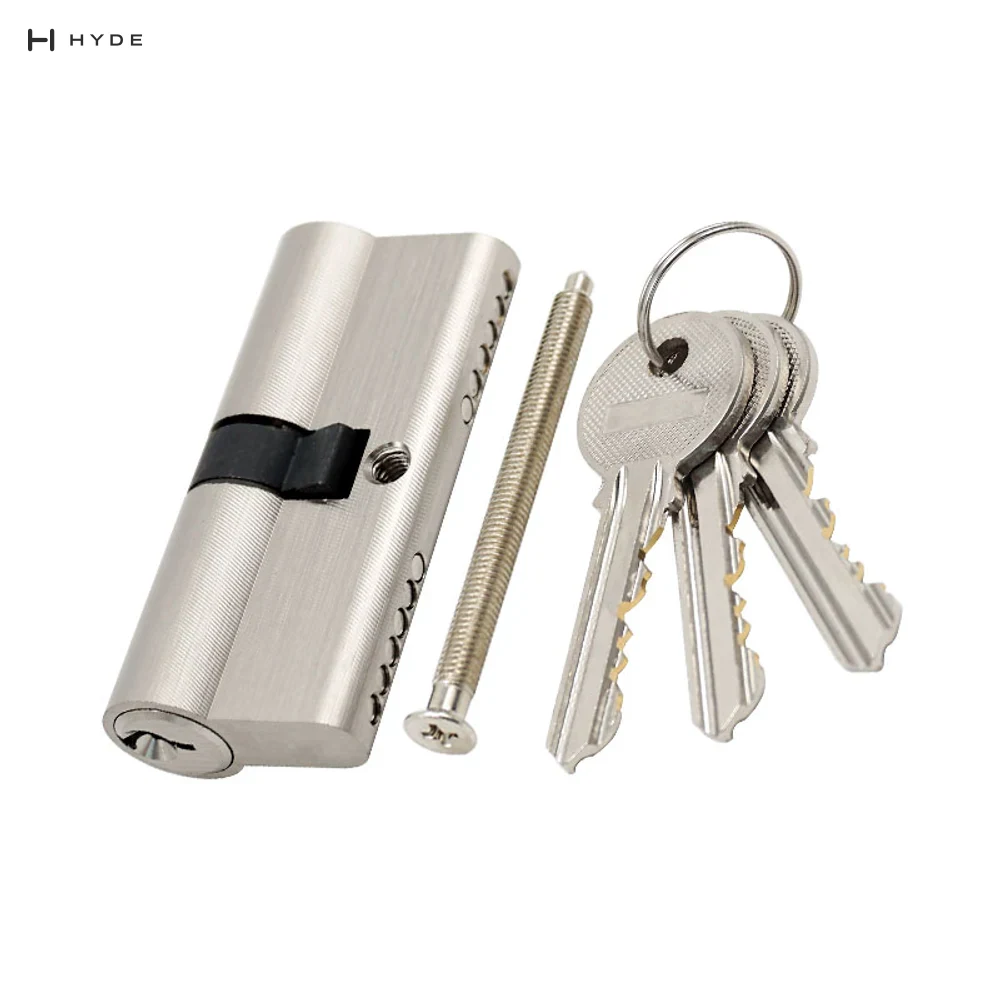
Lock Cylinder
Model 70 SNDK
Solid Brass
About Canton Hyland — Canton Hyland manufactures panic exit devices, locks and architectural door hardware for commercial and institutional projects, supplying specifiers and distributors internationally.