
Top Pivots and Top Patches: What Holds the Top of a Floor-Spring Door
A floor spring holds only the bottom of the door; a top pivot on timber and metal leaves, or a top patch on frameless glass, holds the top on the same vertical axis as the spindle. This explains center-hung and offset pivots, what to measure, and which of our top patches pairs with which floor spring, with every figure taken from the product records.

Johnson LiuDigital Communications, Canton HylandMA Digital Media, Johns Hopkins University
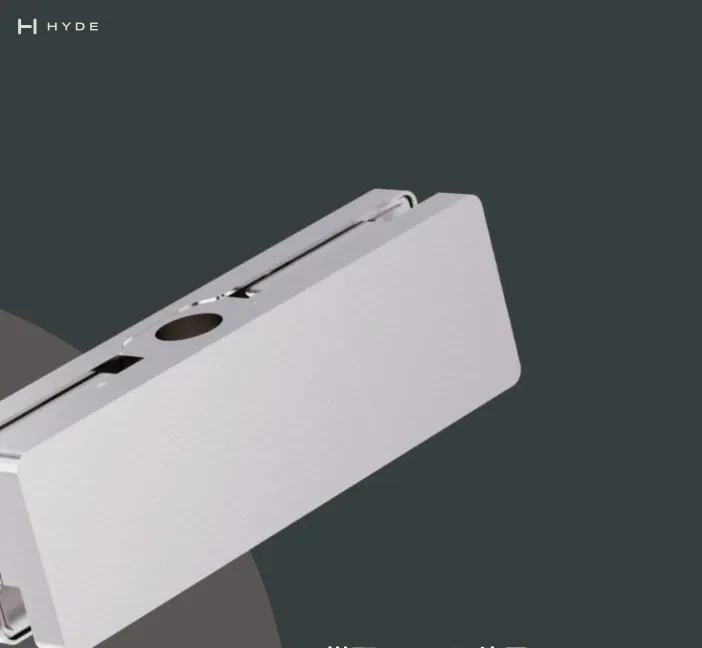
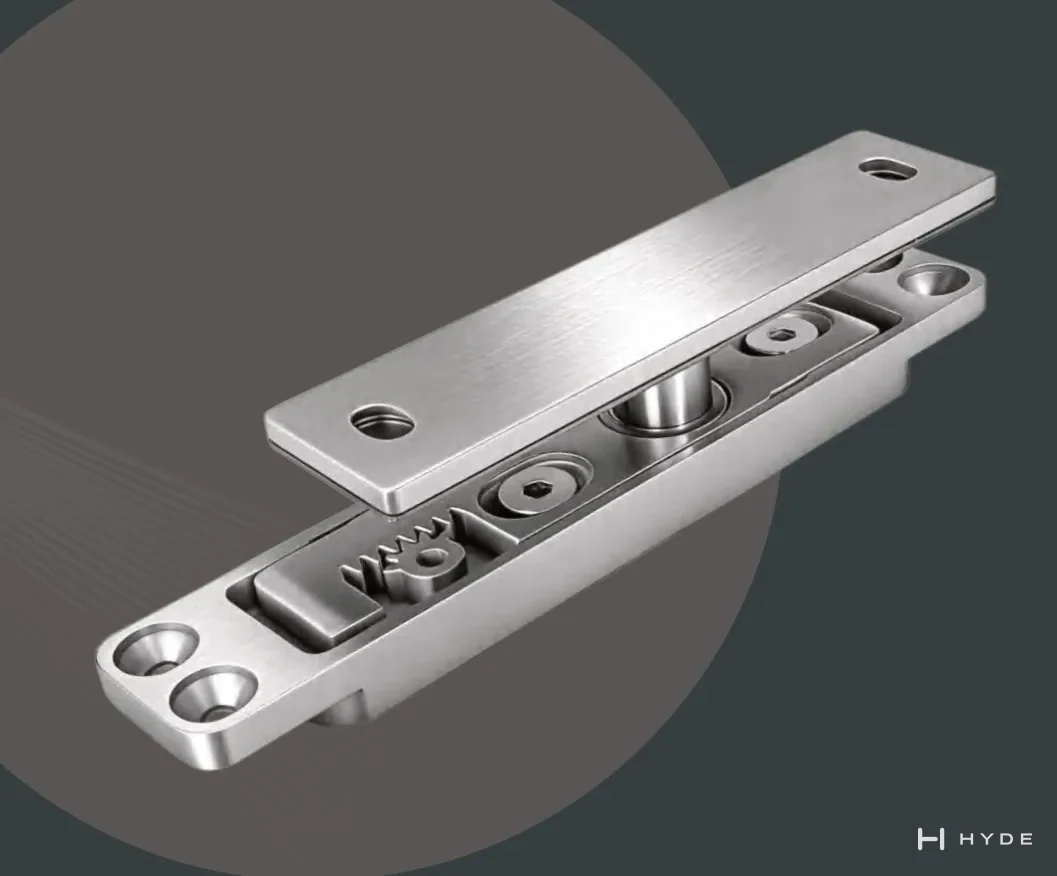
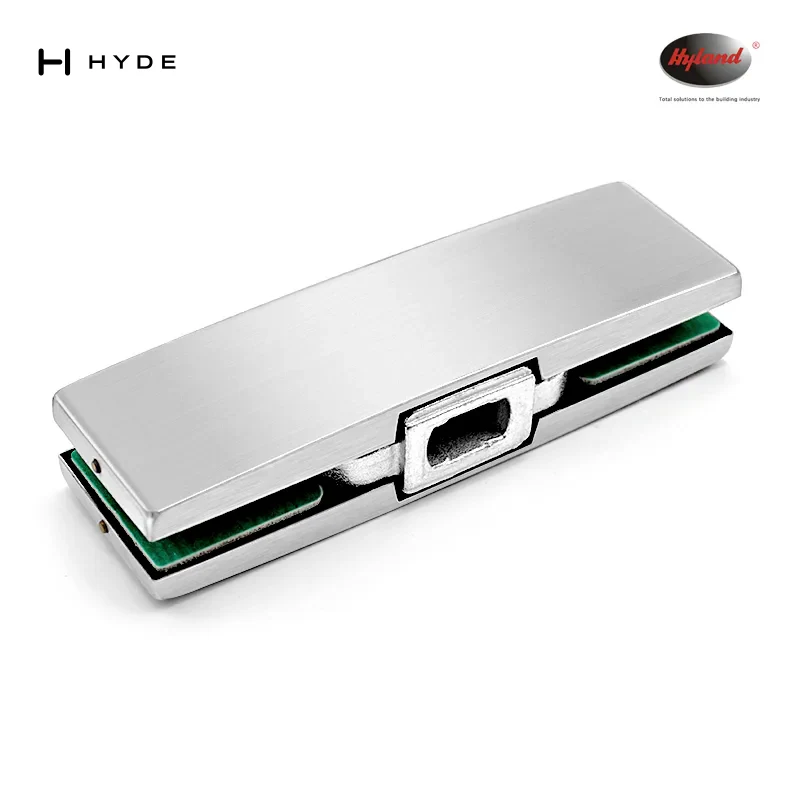
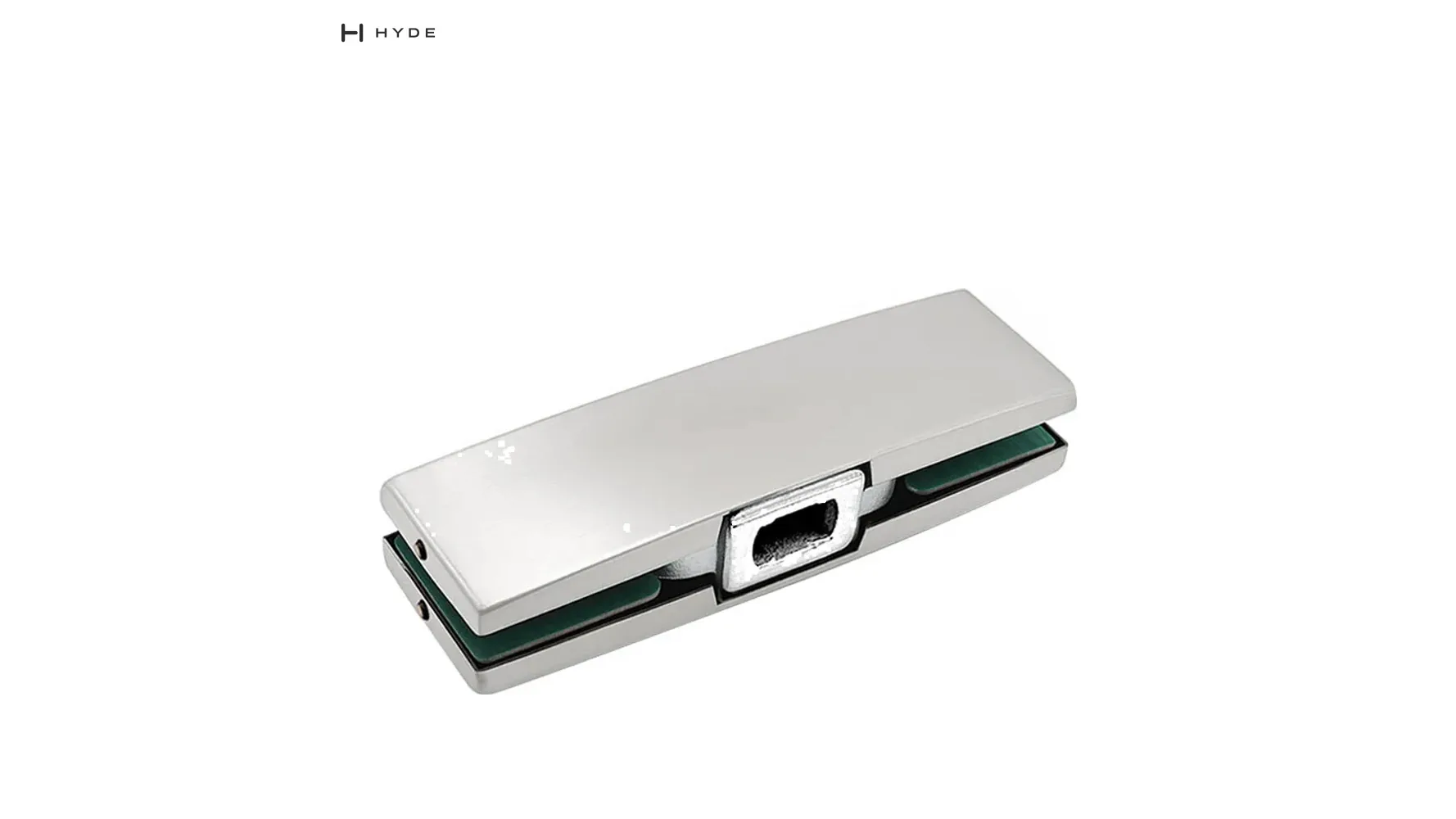
The top of a floor-spring door is held by a pivot pin set on exactly the same vertical axis as the floor spring's spindle. On a timber or metal leaf that pin comes from a top pivot fixed into the head of the frame and the top of the leaf; on a frameless glass leaf it is carried by a top patch clamped to the upper corner of the glass, which on our D-1042 means 10–12 mm glass.
Our top pivots D-3010, D-3011, D-3011A, D-3019 and D-3021 are 304 stainless steel bodies listed for timber and metal doors, with a largest published dimension between 138 and 180 mm. Our glass top patches are each matched in their records to a floor spring: D-1042 to D-1031, D-1043 to DZ-2031 or D-1051, D-3017 to D-3015 and D-3018 to D-3016. The top pivot records name no floor spring, so for a timber or metal door that pairing is confirmed per order.
Why the top fitting is half of the hinge
A floor spring is only the lower half of the door's hinge. It carries the weight of the leaf on its spindle and controls the closing, but on its own it cannot keep the leaf upright: a door resting on one point at its bottom corner would fall over. The top fitting supplies the second point. The spindle and the top pin together define the line the door turns about, and almost everything about how the door behaves, whether it returns to center, whether it binds, whether the leaf hangs true, depends on that line being vertical.
The two ends carry different loads. The floor spring takes the weight. The top fitting takes almost none of it, but it resists the leaf's tendency to tip away from the pivot side, a sideways pull that grows with the width and weight of the leaf and with everyone who leans on the push side. That is why the top fitting needs a rigid anchor: a structural head, a steel transom or a properly fixed over-panel. A top fitting fixed into a head that flexes lets the axis move every time the door is used, and the floor spring cannot correct for it.
Top pivot or top patch: the leaf decides
Timber and metal leaves take a top pivot. A top pivot generally has one part fixed in the head of the frame and one let into the top rail of the leaf, joined by the pivot pin, so the leaf itself carries the fixing. Our five top pivot records describe exactly that use: 304 stainless steel, door types listed as wooden and metal doors, finished in satin stainless or matt black. Spanish catalogs call this part the pivote superior; French ones list it as a pivot haut, beside the pivot de sol at the floor.
A frameless glass leaf cannot be screwed into. Toughened glass is cut and drilled before tempering and nothing can be machined into it afterwards, so every fitting has to clamp it. The top patch is that clamp: two plates gripping the top corner of the glass through gaskets, with the pivot point on the axis line. At the bottom a matching bottom patch clamps the lower corner and takes the floor spring's spindle. F110, the patch fitting in the photograph above, is that lower part: the rectangular socket for the spindle is visible on its edge, and its record lists 304 stainless steel over an iron chassis for 8–12 mm glass. A top patch also needs a counterpart above it, either a top pivot fixed in the head or ceiling, or an over-panel patch where fixed glass sits above the door. Our top patch records do not say which counterpart, if any, comes with each patch, so ask for the parts list as a set rather than assuming the patch arrives complete.
The axis: one vertical line from spindle to pin
The most important dimension at the top is not a dimension of the top fitting. It is the position of the floor spring's spindle, carried straight up to the head. Once the floor spring is set, find the center of its spindle and transfer that point vertically to the underside of the head with a plumb line or a laser. The top pin goes on that mark, not on a point measured across from the frame, because the frame may not be square to the floor, and the spindle is the fixed reference: it is set into the floor and cannot be moved afterwards.
When the axis leans, the leaf rises and falls slightly as it swings. Gravity then helps the floor spring on one side and works against it on the other, so a double-action door settles off its center line instead of returning to it, and closes at different speeds in the two directions. A pin out of line with the spindle also loads its bearing at an angle, which shows up months later as a leaf that drops or rubs at the head. None of this can be adjusted out with the closing valves; the valves control speed, not geometry.
Glass adds a constraint of its own. On a patch-fitted leaf the distance from the axis to the pivot-side edge of the glass is set by the patches, and the processor cuts the corner notches before tempering. The top patch and the bottom patch must put the axis at the same distance from that edge, which is the practical reason to take both from one matched system rather than combining a top patch from one supplier with a bottom patch from another. None of our records publishes that distance for these patches; it is on the installation drawing, and that drawing should be in hand before the glass is ordered.
Center-hung and offset pivots
Pivot hardware is either center-hung or offset. In a center-hung arrangement the axis lies on the center plane of the leaf's thickness, a little in from the pivot-side edge, so the leaf can swing either way and its edge clears the frame as it turns. A double-action floor spring needs a center-hung top fitting. Frameless glass is center-hung by construction, because the patches clamp both faces equally, and every floor spring named in our top patch records is listed as double action.
An offset pivot moves the axis off the center plane toward one face, so the leaf swings one way only and clears its stop much as it would on butt hinges; it suits single-action doors in a rebated frame. The two are not interchangeable: an offset top pivot over a center-hung floor spring puts the top of the axis off the line of the spindle by construction, and the leaf binds. The word offset also has a second meaning in architectural pivot doors: a large leaf turning on an axis moved well in from its edge, so part of the leaf swings to each side of the opening. That is about where along the width the axis sits, not which face it is near, and it changes the width the floor spring has to control, which our floor spring records measure from the spindle to the closing edge. Check which meaning a drawing intends before ordering against it.
What our top pivots and top patches publish
Scroll sideways to compare columns. Select a column heading to sort; select it three times to restore source order.
| D-3010 | Top pivot | Timber, metal | 30 × 12 × 157 mm | – | – | Not stated |
|---|---|---|---|---|---|---|
| D-3011 | Top pivot | Timber, metal | 12 × 28 × 157 mm | – | – | Not stated |
| D-3011A | Top pivot | Timber, metal | 28 × 39 × 147 mm | – | – | Not stated |
| D-3019 | Top pivot | Timber, metal | 28 × 26 × 180 mm | – | – | Not stated |
| D-3021 | Top pivot | Timber, metal | 15 × 30 × 138 mm | – | – | Not stated |
| D-1042 | Glass top patch | Glass | 173 × 25.4 × 54 mm | – | 10–12 mm | D-1031 |
| D-1043 | Glass top patch | Glass | 202 × 36 × 54 mm | – | – | DZ-2031 / D-1051 |
| D-3017 | Glass top patch | Glass | 138 × 25 × 36 mm | 107 × 53.5 mm | – | D-3015 |
| D-3018 | Glass top patch | Glass | 124 × 25 × 36 mm | 107 × 70.5 mm | – | D-3016 |
9 rows · Source order
Every figure is copied from the records, and a dash means the record does not publish it; it does not mean zero, and it does not mean any value will do. All nine are 304 stainless steel in satin stainless or matt black, and the floor springs in the last column list the same two finishes, so the floor spring cover, the bottom fitting and the top fitting can be ordered in one finish throughout. The top pivot body sizes are given as three figures without naming which is the length, width or depth, and the records publish no pin diameter, no axis distance from the leaf edge and no recess drawing. Treat the sizes as a first check that the body fits the leaf and the head section, and take the recess dimensions from the installation drawing.
Pairing: top patches by record, top pivots per order
Scroll sideways to compare columns. Select a column heading to sort; select it three times to restore source order.
| D-1042 | D-1031 | D-1031.60 / D-1031.100 | 10–14 mm | 10–12 mm |
|---|---|---|---|---|
| D-1043 | DZ-2031 / D-1051 | DZ-2031.150 / DZ-2031.200; D-1051.120 / D-1051.150 | 10–14 mm | – |
| D-3017 | D-3015 | D-3015.100 / D-3015.150 | 8–12 mm | – |
| D-3018 | D-3016 | D-3016.80 / D-3016.120 | 8–12 mm | – |
4 rows · Source order
Three readings matter. D-1042 clamps 10–12 mm glass while D-1031 carries 10–14 mm, so the narrower range governs the door: a 14 mm leaf suits the floor spring but not this top patch. D-1043, D-3017 and D-3018 do not publish a glass thickness, so confirm the patch covers your glass rather than reading the floor spring's range across to it. And the two published cut-outs share a 107 mm length but differ in depth, 53.5 mm for D-3017 and 70.5 mm for D-3018; a leaf notched for one will not take the other, and toughened glass cannot be re-cut, so the top patch model has to be fixed before the cutting drawing goes to the processor.
The floor spring is chosen first, on the leaf's weight and its width from spindle to closing edge, which our article on floor spring selection for glass doors covers variant by variant. The top patch then follows from the record. D-1043 is the only patch named against two floor spring families, so a project that uses DZ-2031 on some leaves and D-1051 on others can keep one top patch model across both.
Timber and metal doors work differently. The five top pivot records name no floor spring, and we do not publish a pairing for them. A top pivot has to suit the floor spring's axis position, the leaf's construction and the head it fixes into, and body size alone does not settle that. Send the floor spring model, the leaf material and thickness, the head section and whether the door is single or double action, and the matching top pivot is confirmed against them before the order is placed.
What to measure before ordering
Scroll sideways to compare columns. Select a column heading to sort; select it three times to restore source order.
| Floor spring model and variant | On glass the top patch follows from it; on timber and metal the top pivot is confirmed against it |
|---|---|
| Spindle position, to the pivot-side edge and to the closing edge | Fixes the axis, and the width the floor spring controls |
| Leaf width, height, thickness and material, or glass thickness | Selects the floor spring and checks the patch's clamping range |
| What the top fitting fixes into: head, transom, ceiling or over-panel | The top fitting is only as steady as its anchor |
| Clear height from finished floor to underside of head, taken at the axis | Floor and head are rarely parallel, and the axis is where it counts |
| Spindle center transferred plumb to the head | The top pin goes on this mark, not on a dimension from the frame |
| Single or double action | Settles center-hung or offset |
| Finish | One finish for floor spring cover, bottom fitting and top fitting |
8 rows · Source order
Send those facts with the opening drawing and ask for the floor spring, bottom fitting and top fitting to be named as one set, with the installation drawing for each, before the floor is cut or the glass goes to the processor. The top of the door is the cheapest part of the axis to get right and one of the hardest to correct once the head is finished.
Questions this answers
What holds the top of a frameless glass door with a floor spring?
A top patch clamped to the upper corner of the glass, with its pivot on the same vertical axis as the floor spring's spindle. On our range D-1042 (10–12 mm glass) pairs with D-1031, D-1043 with DZ-2031 or D-1051, D-3017 with D-3015 and D-3018 with D-3016. Above the patch there has to be a rigid counterpart: a top pivot in the head or ceiling, or an over-panel patch.
What is the difference between a top pivot and a top patch?
A top pivot is for timber and metal doors, with one part fixed in the head of the frame and one let into the top of the leaf. Ours are 304 stainless steel with a largest published dimension of 138 to 180 mm. A top patch is for frameless glass, which cannot be screwed into, so it clamps the top corner of the glass instead.
What is the difference between a center-hung and an offset pivot?
A center-hung pivot puts the axis on the center plane of the leaf, so the door can swing both ways; a double-action floor spring needs it. An offset pivot moves the axis toward one face, so the door swings one way only, much like a door on butt hinges. The two cannot be mixed on the same door.
Which floor spring does a top pivot go with?
Our top pivot records, D-3010, D-3011, D-3011A, D-3019 and D-3021, do not name a floor spring, so the pairing is confirmed per order against the floor spring model, the leaf material and thickness, the head section and the door's action. Do not choose a top pivot on body size alone.
What cut-out does a glass door top patch need?
D-3017 needs a 107 × 53.5 mm cut-out and D-3018 a 107 × 70.5 mm cut-out. The records for D-1042 and D-1043 do not publish one; take it from the installation drawing before the glass is cut, because toughened glass cannot be re-cut afterwards.
Related products
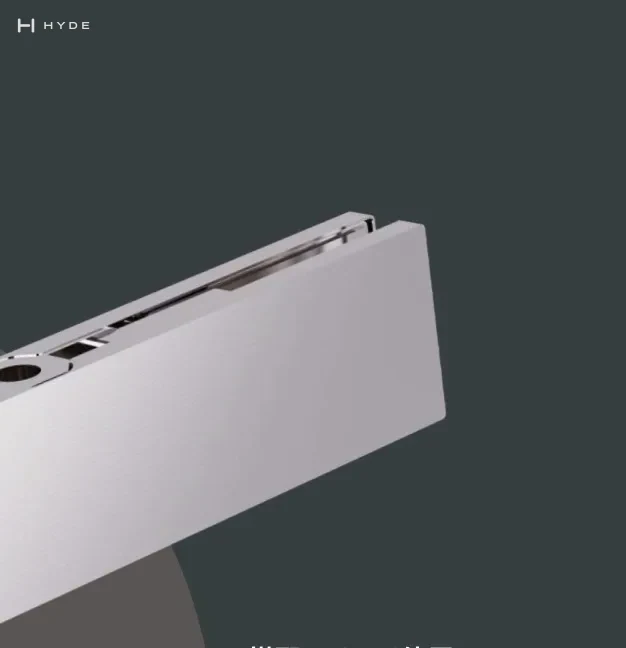
Glass Door Top Patch
Model D-1042
304 Stainless Steel
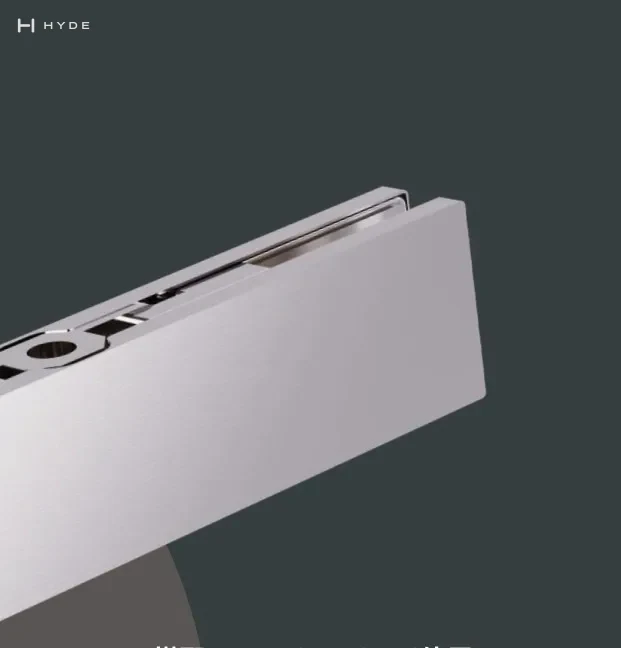
Glass Door Top Patch
Model D-1043
304 Stainless Steel
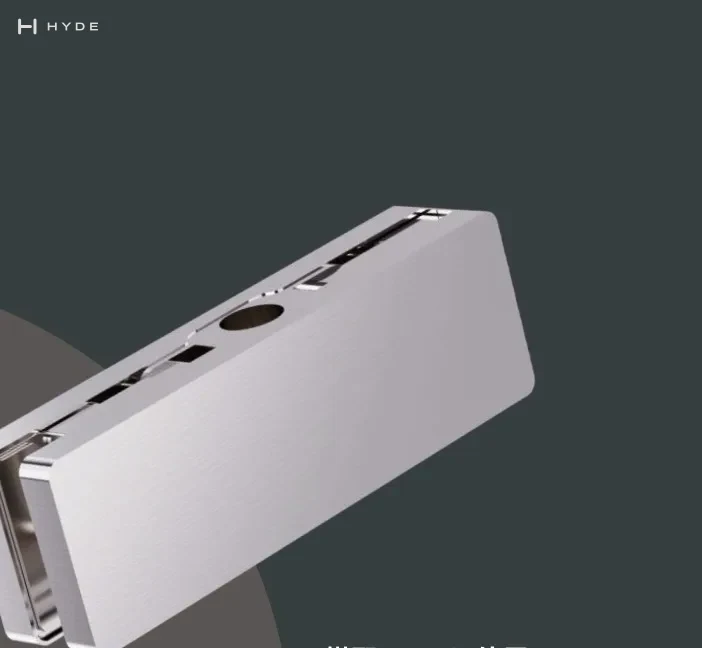
Glass Door Top Patch
Model D-3017
304 Stainless Steel
About Canton Hyland — Canton Hyland manufactures panic exit devices, locks and architectural door hardware for commercial and institutional projects, supplying specifiers and distributors internationally.