
Tool
Exit device selector. The people decide the standard, the door decides the rest.
EN 1125 covers panic bars for people who may not know the building, where panic is foreseeable. EN 179 covers lever or push-pad devices for people who know the building and the exit. Three questions settle almost every case, and when a case is borderline the bar is the safe answer: EN 1125 hardware is acceptable where EN 179 would do, never the reverse.
The occupancy figure that binds is in the building regulation, not in either hardware standard. No certificate is published for any of our exit devices; on a project that needs one, ask and we will say plainly whether we can meet it.
Specify to
EN 1125
At least one answer points away from a familiar, small, calm group, so the door needs a panic bar.
Exit only: no outside trim, a blank face or plate outside.
Bars are sized to the leaf, not to the opening. We do not publish a width range per bar length; send the leaf width and we answer against the model.
Ask for a quoteOur exit devices for a single door
19 in our catalog
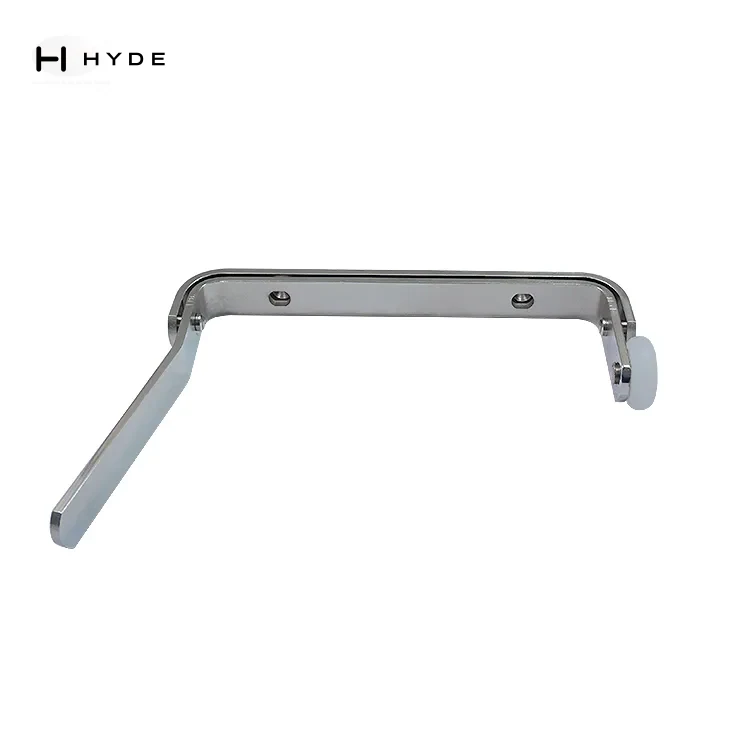
Panic Exit Device
Model 036 · Video
Aluminum alloy body, iron bar
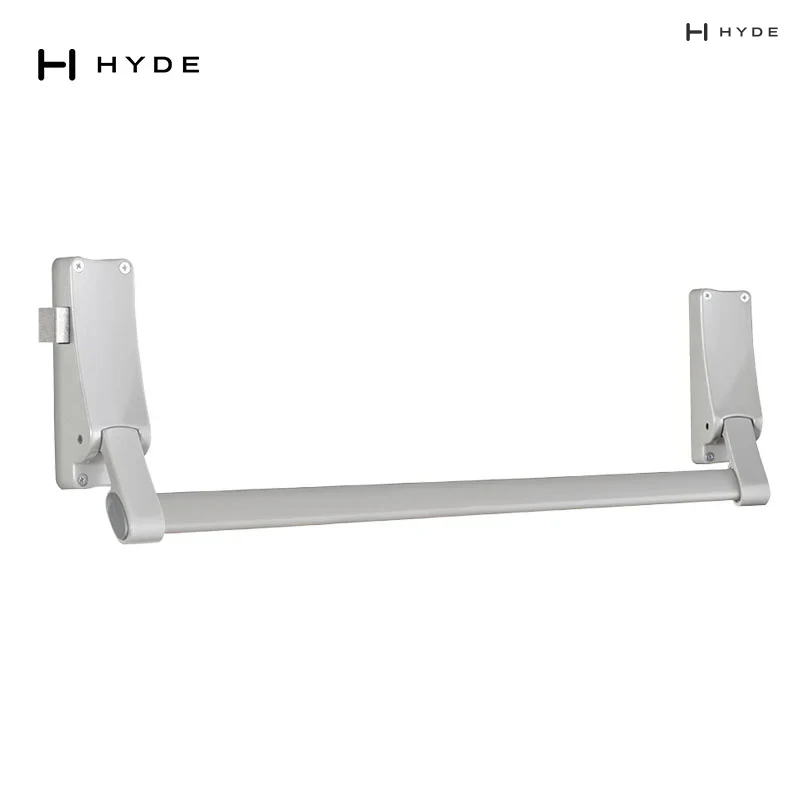
Single Door Panic Exit Device
Model 306-S · Video
Aluminum alloy body, iron bar
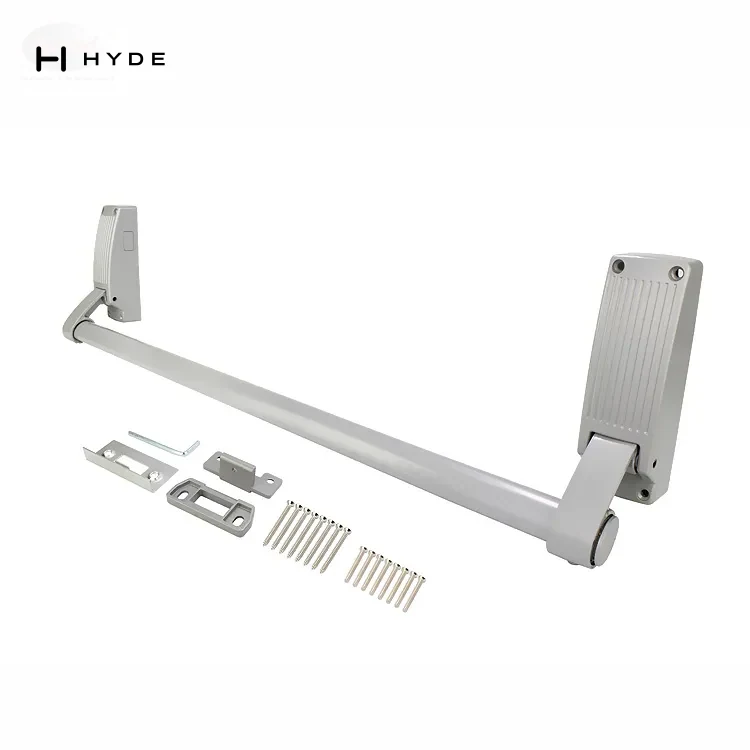
S-Panic Exit Device
Model 308-S · Video
Aluminum alloy body, iron bar
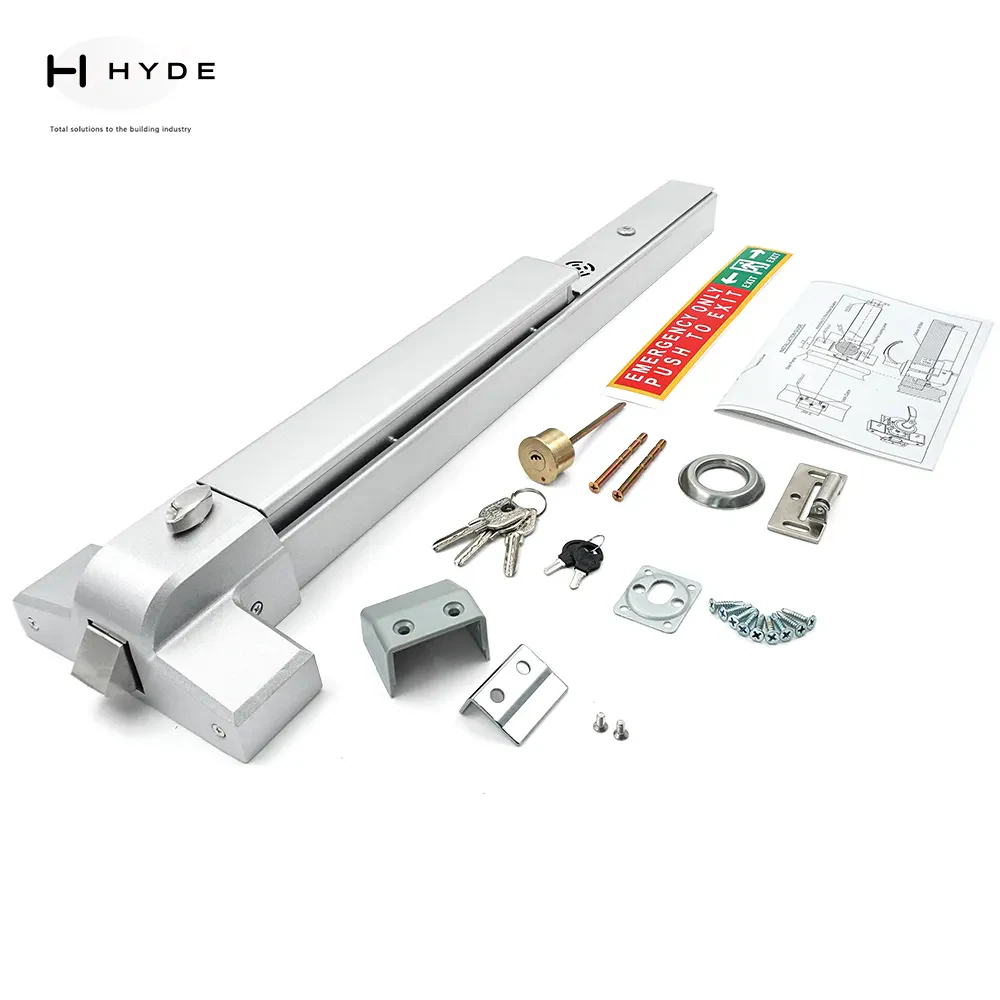
Length 650mm / 800mm / 1000mm, Customizable
Alarm Panic Bar Exit Device
Model 314 · Video
Aluminum alloy body, iron bar
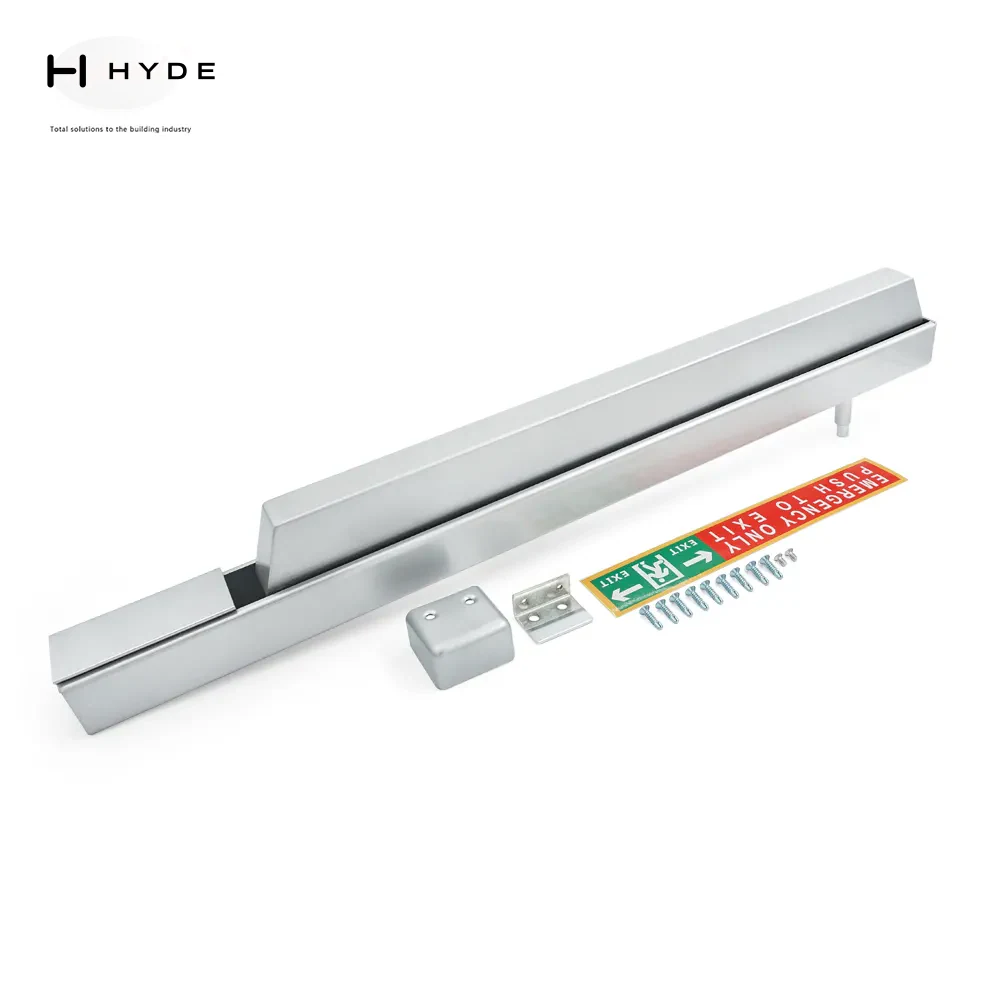
Cold Room Push Bar Exit Device
Model 317 · Video
Aluminum alloy body, iron bar
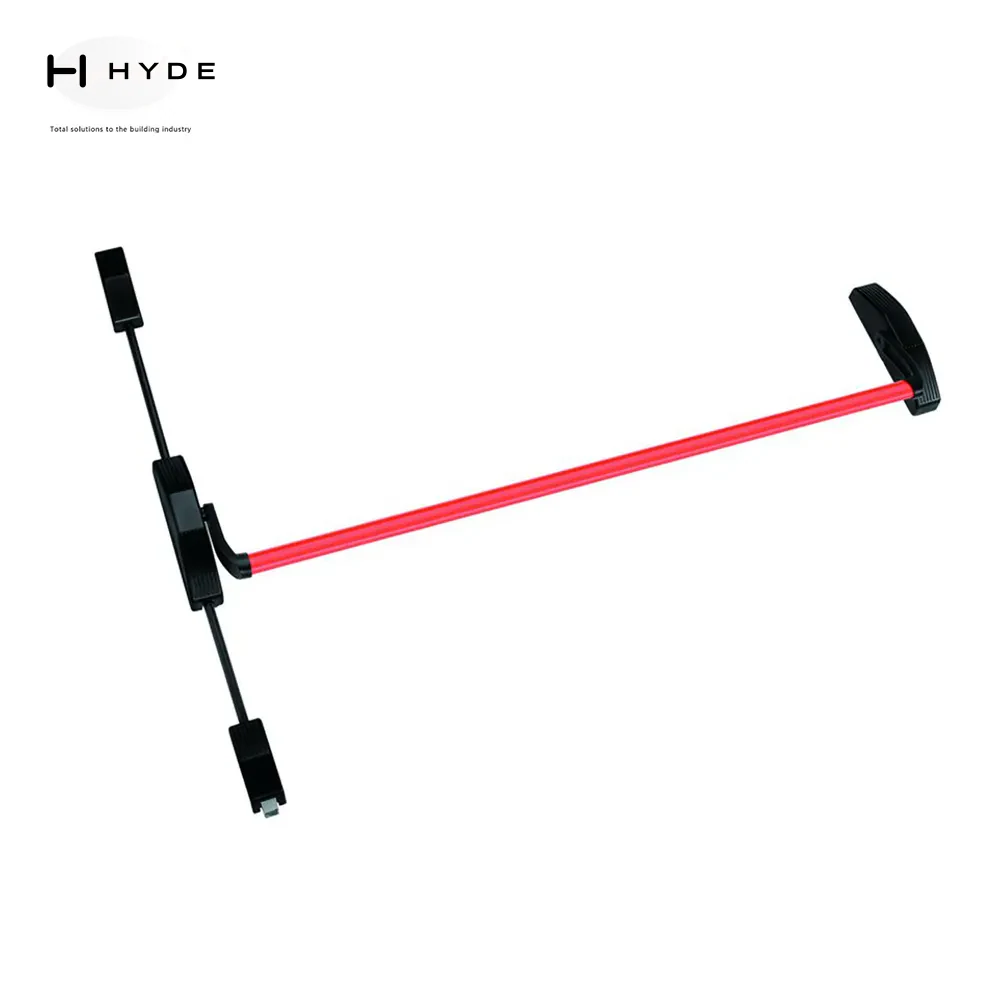
Two Point Locking Exit Device
Model 320
Aluminum alloy body, iron bar
Three things that make a correct device non-compliant
EN 179 hardware on a public escape route, usually chosen on cost. Dogging on a fire exit, which holds the latch back on a door that works by staying latched. And anything added to the inside face after handover: a bolt, a hasp, a chain. Each adds a second action, and both standards exist to guarantee exactly one.